Boureima Amadou
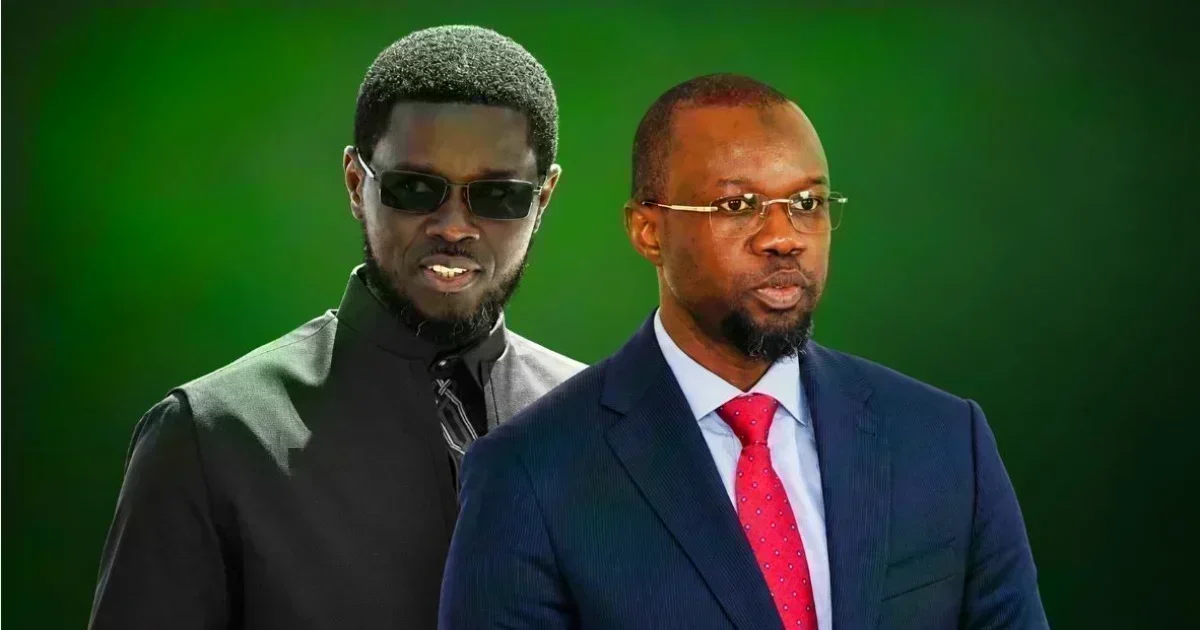
Senegal stands at a critical juncture as political tensions escalate and democratic norms face unprecedented strain. The recent enactment of legislation criminalizing homosexuality has intensified debates about the nation’s trajectory, with many observers warning of a drift toward authoritarian governance under President Bassirou Diomaye Faye.
The legal shift and its implications
For years, Senegal has been regarded as a bastion of stability in West Africa, yet recent developments suggest a troubling departure from its democratic traditions. The new law targeting LGBTQ+ individuals has become a focal point in this evolving political climate, drawing sharp criticism from human rights advocates and international observers alike. Critics argue that the legislation not only violates fundamental freedoms but also serves as a tool to consolidate power by stoking cultural and ideological divisions.
Political polarization and rising authoritarianism
The current administration has been accused of leveraging identity politics to undermine opposition forces and suppress dissent. By framing governance through a lens of cultural nationalism—particularly one opposed to Western influence—the government appears to be reshaping national discourse to justify stricter controls and reduced civic freedoms. This strategy has sparked concerns about the erosion of democratic institutions and the potential for long-term authoritarian rule.
International reactions and domestic unrest
While some segments of the population support the government’s stance, others view it as a dangerous overreach that threatens Senegal’s reputation as a regional leader in democracy. Protests have erupted in major cities, with activists demanding the repeal of the anti-LGBTQ+ law and a return to constitutional governance. Meanwhile, international partners are re-evaluating their engagement with Dakar, raising questions about economic and diplomatic consequences.
A nation divided
The situation in Senegal reflects broader tensions across the continent, where debates over governance, identity, and sovereignty continue to reshape political landscapes. As the country navigates this pivotal moment, the choices made today will determine whether it reinforces its democratic foundations or succumbs to the allure of authoritarian control.


 Mariama Hamani