Boureima Amadou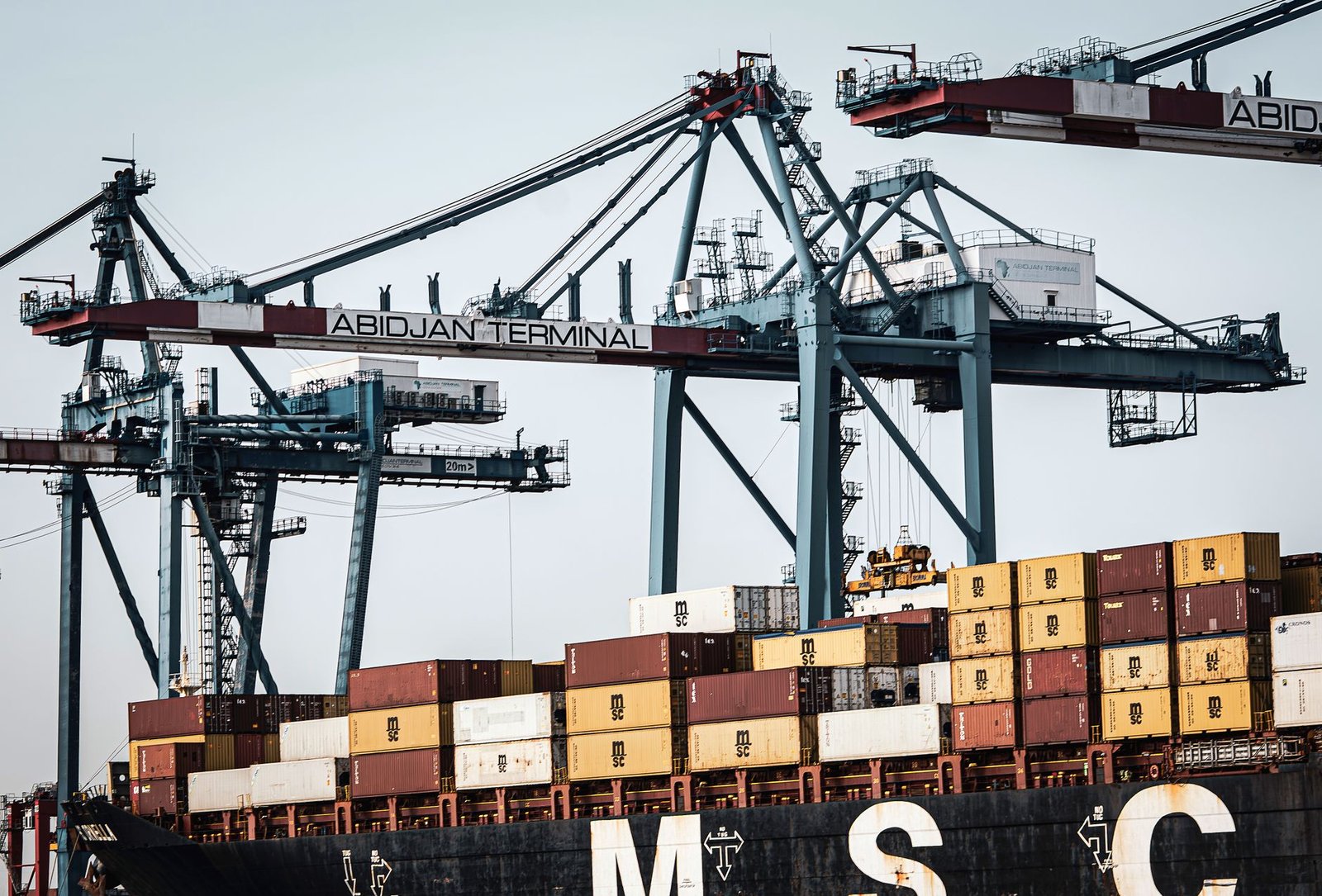
In Côte d’Ivoire, the autonomous district of Abidjan has advanced its urban renewal agenda with the demolition of the Zimbabwe neighborhood in Vridi-3. The operation, launched on June 2, targeted a 28-hectare area long occupied by a tight-knit fishing community near the Port of Abidjan. Thousands of residents were forcibly evicted within hours, a process local witnesses described as abrupt and disruptive. This follows closely behind the demolition of three informal settlements in Cocody, Abidjan’s affluent northern district, just over a week prior.
Controversial urban cleanup targets long-standing communities
Local officials frame the demolitions as part of a broader initiative to restore order to Côte d’Ivoire’s economic capital. Termed an “urban order restoration operation,” the campaign aims to reclaim land deemed illegally occupied. Vridi-3, commonly known as Zimbabwe, was among the first areas prioritized due to its proximity to the port and critical logistics infrastructure.
For decades, this coastal area has served as a hub for artisanal fishing, supplying fresh seafood to Abidjan’s bustling markets. The demolition does more than displace people—it dismantles an informal but vital economic network that supports thousands of households. Residents report receiving little to no advance notice and no credible resettlement plan before bulldozers arrived.
Rising land pressure around Abidjan’s port fuels displacement
The razed neighborhood sits in a high-pressure zone. The Port of Abidjan remains the country’s main commercial gateway and a key maritime hub in the Gulf of Guinea. Its ongoing expansion, coupled with new logistics and industrial projects, has intensified land demand along the coast. Vridi, in particular, has become a focal point for commercial, hydrocarbon, and coastal tourism development.
From a planning perspective, informal settlements are seen as obstacles to economic valorization of the shoreline. The demolition of Zimbabwe aligns with a strategy to free up strategic land, but it risks damaging public trust and social cohesion. Human rights advocates have previously criticized similar operations for failing to provide adequate housing solutions for displaced populations.
Cocody demolitions set the stage for broader urban transformation
The Vridi-3 clearance extends a pattern established in Cocody, where three pockets of informal housing were razed within days. The accelerated pace of these interventions hints at a larger agenda within the Abidjan district to reshape the city’s urban fabric ahead of major upcoming development projects. Governor Ibrahim Cissé Bacongo faces the dual challenge of accelerating modernization while managing a metro area of over six million residents.
The fate of displaced families remains uncertain. No structured resettlement plan has been announced for Zimbabwe residents, even as the rainy season approaches—a time when homeless populations are most vulnerable. Local activists also warn of a potential domino effect, with new informal settlements likely to emerge on the outskirts of the capital in response to the demolitions.
Whether this wave of evictions will mark a lasting shift in Ivorian urban policy—or prompt a rethink under mounting social and international scrutiny—remains to be seen. The next few weeks will reveal whether Abidjan’s leadership can balance progress with inclusive governance, a balance that could influence perceptions of Côte d’Ivoire’s metropolitan development model for years to come.