Boureima Amadou
Turning point in Senegal’s budget battle: a fragile majority faces a critical test
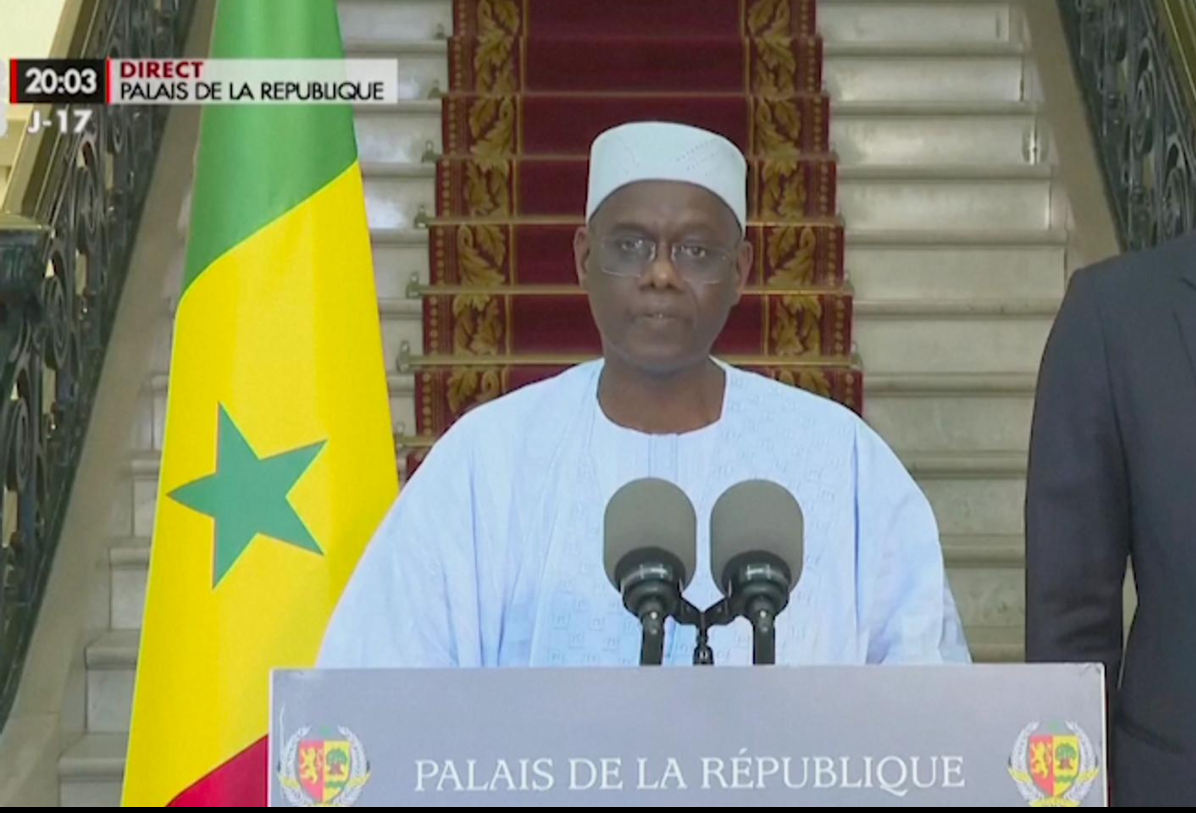
The government of Senegal is at a decisive junction. With the revised finance bill scheduled for a critical parliamentary vote, Prime Minister Ahmadou Al Aminou Lô is scrambling to secure support from his own parliamentary majority—specifically from legislators within the Pastef coalition. The rejection of the bill in committee on Friday, October 23, has sent shockwaves through the political establishment, signaling a deepening rift within the ruling alliance just days before the plenary vote.
This moment marks more than just a legislative hurdle; it represents a potential turning point in how Senegal’s executive branch navigates internal dissent. The stakes are high: the government must either win over reluctant MPs or risk a political standoff that could delay essential fiscal measures.
A parliamentary rebellion within the ruling ranks
The committee vote was decisive. Despite being part of the same political movement that governs Senegal, Pastef legislators delivered a sharp rebuke to the government’s budget proposal. Their opposition reflects deeper disagreements over fiscal priorities, spending cuts, and revenue allocation—core issues that have long strained relations between the executive and its parliamentary allies.
With Pastef holding a dominant position in the National Assembly, their defiance carries significant weight. The rejection is not merely procedural; it underscores a growing unease among lawmakers who feel sidelined in key decision-making processes. While the government argues for necessary fiscal adjustments in a constrained economy, some MPs question whether the proposed measures align with the coalition’s broader social and economic agenda.
What’s driving the internal divide?
The tensions are multifaceted. On one side, the government emphasizes fiscal discipline and long-term economic stability. On the other, dissenting legislators argue for greater investment in social programs, education, and healthcare—sectors they believe are being underfunded to meet rigid budgetary targets.
- Divergent priorities: The executive prioritizes macroeconomic stability, while some MPs advocate for immediate social relief.
- Revenue challenges: With tax revenues falling short of projections, the government faces tough choices on where to cut spending or raise additional funds.
- Political symbolism: The rebellion sends a signal to the public that the ruling coalition is not immune to internal debate—a rare display of checks and balances.
Can dialogue prevent a parliamentary showdown?
With time running out before the plenary vote on October 27, the Prime Minister has shifted strategy. Instead of relying solely on coercive tactics, Lô is prioritizing dialogue—a last-ditch effort to bridge the divide and salvage the bill. The approach reflects an acknowledgment that forceful adoption could backfire, deepening divisions within the majority.
Negotiations are now underway, with both sides seeking common ground. The government may offer concessions on specific allocations, while Pastef legislators could demand clearer justifications for controversial cuts. The outcome hinges on whether the Prime Minister can strike a balance between fiscal responsibility and political appeasement.
For now, the ball is in the court of the legislators. Their decision will determine whether this turns into a minor political skirmish or a defining crisis for the government’s reform agenda.
A vote that could redefine Senegal’s political landscape
The October 27 plenary session looms as a pivotal moment. A rejection would not only derail the revised finance bill but also weaken the government’s authority in future legislative battles. Conversely, a last-minute compromise could restore confidence in the executive’s ability to manage internal dissent.
Beyond the immediate budgetary concerns, this episode raises broader questions about the evolving relationship between Senegal’s presidency and its ruling coalition. How much autonomy should parliament exercise over fiscal policy? Can a government govern effectively when its own MPs are openly challenging its decisions?
The answers to these questions will shape not just the fate of this finance bill, but the future of Senegal’s democratic institutions.
What’s next for Senegal’s economic and political trajectory?
Regardless of the outcome, the current crisis has exposed vulnerabilities in Senegal’s governance model. The government must now decide: double down on its fiscal strategy and risk further alienating its allies, or engage in meaningful compromise to preserve stability.
For citizens, the stakes are equally clear. A prolonged standoff could delay critical public investments, from infrastructure to social services. Meanwhile, investors—already cautious amid regional uncertainty—will be closely watching whether Senegal can maintain policy coherence.
The coming days will reveal whether this budget battle strengthens Senegal’s democratic resilience or becomes a cautionary tale about the perils of internal discord.

 Mariama Hamani