Boureima Amadou
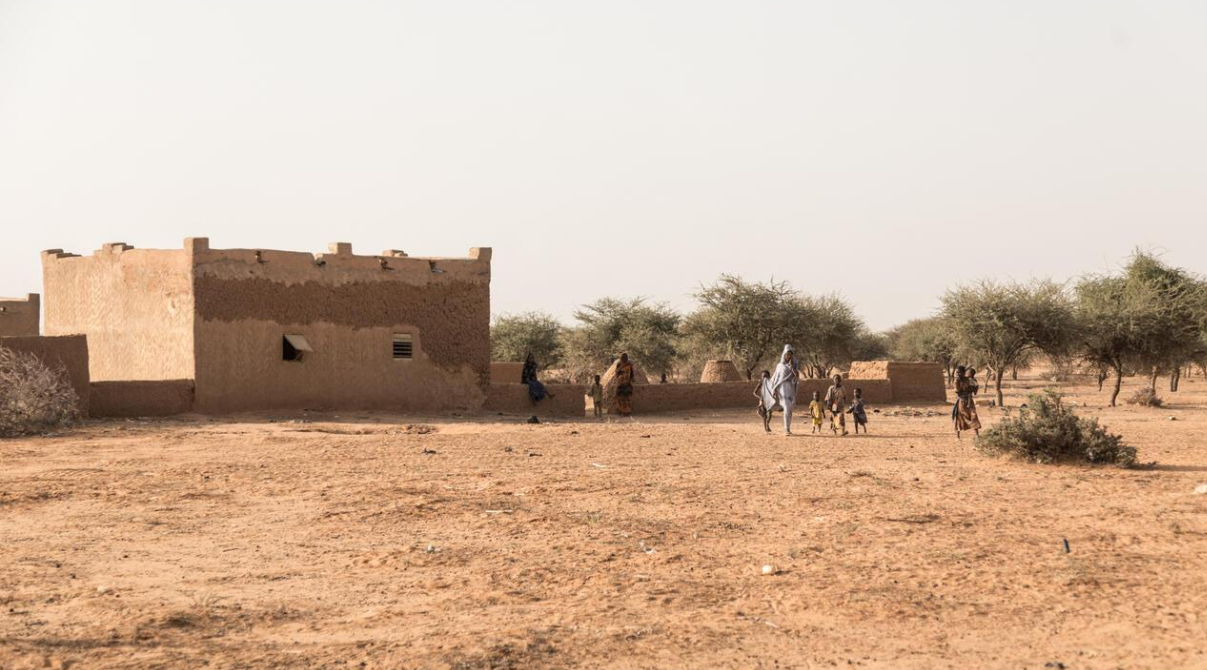
The discovery of 54 bodies in the village of Tagadayat, just 35 kilometers southeast of Ménaka, marks a tragic turning point in Mali’s escalating security crisis. This brutal incident not only exposes the vulnerability of civilians in the north but also forces a reckoning over the state’s ability to safeguard populations from armed groups. The timing of this violence—amid ongoing military operations and international support—raises critical questions about the effectiveness of current strategies.
From Tragedy to Turning Point: The Tagadayat Massacre
The massacre in Tagadayat has sent shockwaves through northern Mali, where civilians have borne the brunt of years of conflict. The 54 victims, found after coordinated attacks attributed to jihadist militants, underscore a harsh reality: despite military presence and security operations, vulnerable communities remain exposed to targeted violence. This incident is not an isolated event but a symptom of deeper systemic failures in protection and prevention.
For residents of Ménaka and surrounding areas, the attack is a grim reminder of the daily risks they face. Markets, farmlands, and villages—once hubs of community life—now lie within the crosshairs of armed groups. The mass killing in Tagadayat forces authorities to confront a painful truth: security operations alone cannot replace meaningful protection for civilians.
Why Remote Areas Like Tagadayat Are Prime Targets
The geography of northern Mali plays a crucial role in the crisis. Villages like Tagadayat, located far from urban centers, lack the infrastructure and resources to respond swiftly to threats. The following factors contribute to their vulnerability:
- Limited state presence: Remote areas often see fewer patrols and delayed security responses due to logistical constraints.
- Delayed response times: Limited road access and communication gaps hinder the rapid deployment of security forces or medical aid.
- Weak early warning systems: Communities struggle to receive timely alerts about impending attacks, leaving them defenseless.
- Economic isolation: Restricted movement and fear of violence disrupt trade, farming, and access to essential services.
The Tagadayat massacre highlights these gaps, demonstrating how armed groups exploit weaknesses in state control. Without addressing these structural issues, civilians will continue to pay the price.
The State’s Dilemma: Military Action vs. Civilian Protection
Mali’s security strategy has long relied on military operations to counter armed groups. Yet the repeated attacks on civilians reveal a troubling disconnect: victories on the battlefield do not automatically translate into safety for communities. The Tagadayat tragedy underscores three critical challenges:
- Lack of preventive measures: Authorities often react after attacks rather than stopping them. Intelligence gaps and insufficient community engagement leave civilians unprotected.
- Over-reliance on force: While military operations are necessary, they cannot substitute for long-term security solutions like local defense initiatives or intelligence-sharing.
- Accountability gaps: The absence of clear investigations into past massacres erodes public trust and enables impunity for perpetrators.
For the government, the path forward requires balancing military efforts with civilian-focused strategies. Otherwise, the cycle of violence will persist, further destabilizing the region.
Restoring Security: A Multifaceted Challenge
To move beyond crisis management, Mali must adopt a holistic approach to security—one that prioritizes civilian protection as much as territorial control. Key steps include:
Strengthening Local Protections
- Deploying community-based early warning systems to alert residents of impending threats.
- Expanding the presence of security forces in high-risk areas with better-trained rapid-response units.
- Enhancing coordination between military, police, and civilian authorities to ensure seamless protection.
Addressing Root Causes of Instability
- Investing in local governance to rebuild trust between authorities and communities.
- Providing economic alternatives to vulnerable populations to reduce recruitment by armed groups.
- Ensuring humanitarian access to isolated areas to address immediate needs and prevent further displacement.
Demanding Accountability
A thorough investigation into the Tagadayat massacre is essential—not only to deliver justice for the victims but to send a clear message that such attacks will not go unanswered. Transparency in reporting and prosecutions is crucial to restoring faith in the state’s commitment to protect its citizens.
The Stakes: Beyond Tagadayat
The 54 lives lost in Tagadayat are a stark reminder of the human cost of Mali’s insecurity. This tragedy is not just about numbers; it reflects the erosion of public trust in the state’s ability to safeguard its people. If authorities fail to act decisively, the consequences will extend far beyond the north:
- Accelerated displacement: More civilians will flee their homes, straining already fragile social structures.
- Economic decline: Continued violence disrupts agriculture, trade, and investment, deepening poverty.
- Regional spillover: Instability in northern Mali risks spreading to neighboring countries, complicating regional security efforts.
The time for reactive measures is over. To prevent another Tagadayat, Mali must shift from crisis response to proactive security—one that places civilians at the center of every strategy. The question now is whether authorities have the political will to make that shift before more lives are lost.

 Mariama Hamani