Mariama Hamani
The turning point that wasn’t: how Niamey’s military regime doubled down on old failures
The July 26, 2023 seizure of power by the National Council for the Safeguarding of the Homeland (CNSP) was framed as a decisive break—a moment when Niger would reclaim its sovereignty, restore security, and end years of mismanagement under President Mohamed Bazoum. Yet more than three years later, the promise of transformation has collapsed into a sobering reality. Instead of correcting the past, the military leadership has amplified the very problems it vowed to fix, leaving communities across Diffa, Maradi, Tahoua, and Tillabéri to face compounded crises.
Sovereignty redefined: new alliances, old consent issues
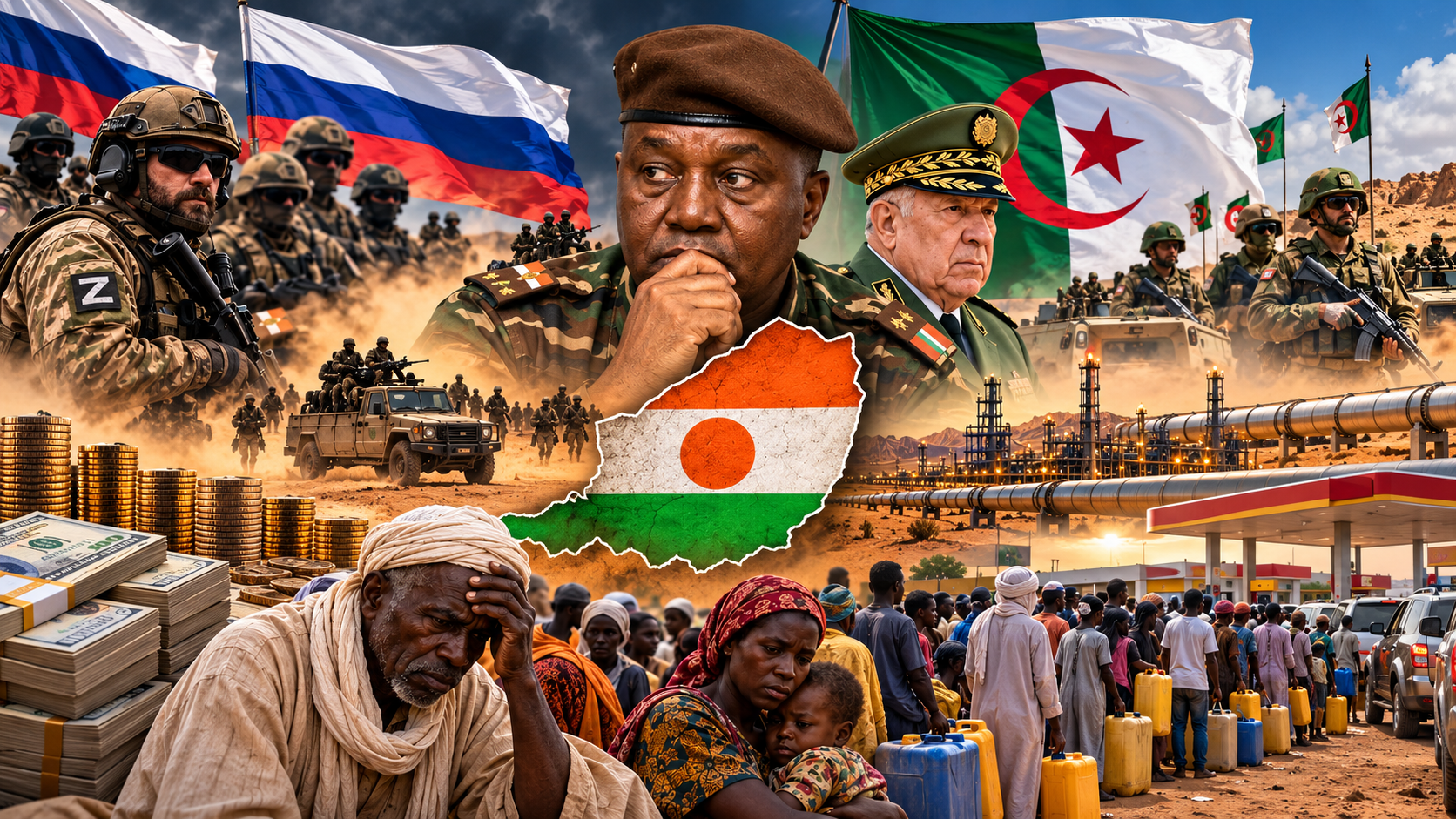
Sovereignty was the rallying cry of the coup. Within months, the CNSP declared victory over foreign influence by ending military partnerships with France and the United States. But the retreat of Western forces did not lead to self-reliance—it opened the door to new, less transparent partnerships. Reports of Russian military advisors and the deployment of Algerian troops deep into northern Niger, near Madama, have raised urgent questions about the terms, oversight, and long-term implications of these arrangements.
Critically, none of these agreements were debated in parliament or subject to public consultation. The same charge of “foreign subjugation” once leveled at Bazoum now applies to these opaque alliances—except today, the nation’s consent is still being bypassed. What was promised as liberation has instead become a transfer of sovereignty to new actors, with little accountability to the people.
Security under siege: promises broken, attacks persist
The CNSP’s most pressing justification for the coup was spiraling insecurity. Yet despite frequent aerial campaigns and official announcements of battlefield gains, the violence shows no sign of abating. Armed groups like the Islamic State in the Greater Sahara (EIGS) and Jama’at Nusrat al-Islam wal Muslimin (JNIM) continue to launch devastating attacks across rural zones. Schools and health centers in southern and western Niger remain closed for prolonged periods, disrupting education and medical care for thousands of families.
The military’s strategy appears to prioritize high-profile strikes over sustainable territorial control. While air operations make headlines, local communities report little improvement in daily safety. Patrols are erratic, checkpoints are vulnerable, and civilian protection remains inconsistent. The result is a security landscape that has deteriorated further under military rule, not improved.
Economic stagnation: energy projects stall amid unrealized promises
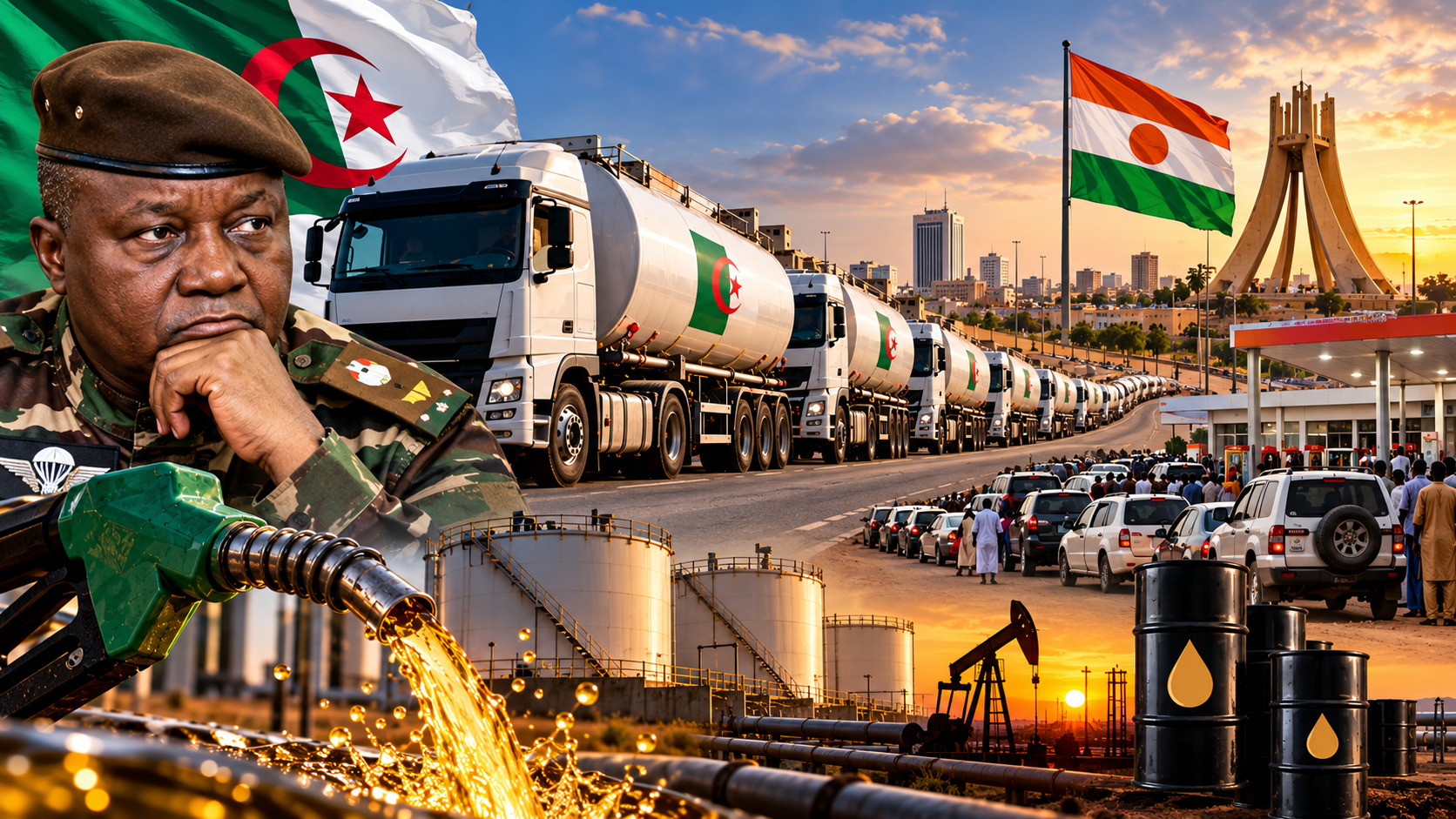
Economic independence was another cornerstone of the coup’s narrative. The regime pledged to fast-track infrastructure and energy projects to reduce reliance on foreign aid. Yet on the ground, action has lagged behind rhetoric. The Kafra oil permit, once touted as a game-changer, faces repeated delays. Discussions around the Trans-Saharan Gas Pipeline have stalled amid shifting regional politics and financing uncertainties. Without these critical projects moving forward, Niger’s economy remains trapped in a cycle of stagnation and dependency.
Investors remain cautious, donors have scaled back support, and public sentiment is souring. The promise of a self-sustaining economy has given way to budget deficits, rising food prices, and dwindling job opportunities. The CNSP’s economic vision has failed to materialize, leaving citizens to bear the cost of unfulfilled ambition.
Silence from allies and critics alike
The coup initially drew cautious support from segments of civil society and political figures weary of Bazoum’s leadership. But as the military regime consolidated power, public criticism has been met with repression. Independent journalists, activists, and opposition voices have been sidelined or silenced. What was once a chorus of hope has turned into a chorus of caution—if not outright fear. Those who once decried the excesses of civilian rule now avert their gaze from the military’s own transgressions.
This double standard is glaring. Decisions made without consultation or oversight—from foreign military pacts to economic policies—are met with silence where once they would have sparked protest. The CNSP’s claim to moral authority is eroding as it repeats the same governance failures it condemned, all while tightening its grip on power.
Where does Niger go from here?
The military regime in Niamey stands at a crossroads. The turning point it promised has instead become a spiral of missteps, broken pledges, and deepening crises. Sovereignty has been redefined—not strengthened—but delegated to new foreign actors. Security remains elusive. The economy is stagnant. And the public’s voice is increasingly muffled.
For the people of Niger, the cost of this unfulfilled transition is measured in lost opportunities, shuttered schools, and communities under siege. Three years after the coup, the question is no longer whether the CNSP can fulfill its promises, but whether it will ever be held to account for failing to do so.

 Boureima Amadou