Mariama Hamani
The Strategic Shift: Does Niger’s New Charter Demand a Public Vote on Foreign Troops?
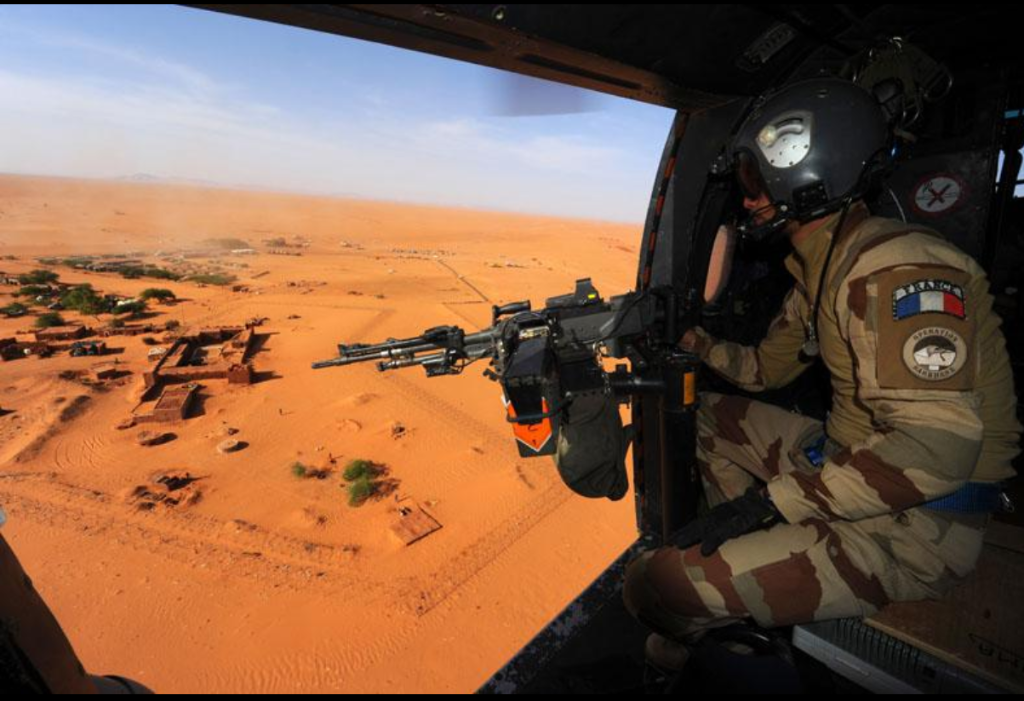
The approval of Algeria’s military deployment to Niger on October 25, 2026, has thrust a critical legal and political dilemma into the spotlight: Did Niamey uphold its own constitutional commitments by consulting its people before welcoming foreign forces? This isn’t just about an agreement between two nations—it’s about the heart of Niger’s sovereign decision-making process.
Why the Refoundation Charter’s Stance Matters Now
Enacted on March 26, 2025, Niger’s Refoundation Charter sets the legal framework for governance during this transitional period. At its core lies a pivotal clause: the temporary or permanent presence of foreign military forces must be authorized by the president—after a public referendum. This provision, outlined in Article 45, establishes a direct link between national security decisions and democratic legitimacy.
However, the Charter includes a caveat. In cases of proven urgency, the president may bypass the referendum by issuing a decree—but only after consulting the Refoundation Advisory Council. The authorization must be strictly limited to the duration required to stabilize the situation prompting the emergency response.
As Algerian troops prepare to enter Niger, the question looms large: Did authorities opt for a referendum, adhere to the emergency clause, or sidestep both?
Public Consent or Executive Discretion? The Missing Answers
Publicly available information does not confirm whether a referendum was held specifically on the Algerian troop presence. Equally uncertain is whether a presidential decree was issued under the emergency provisions, supported by the Advisory Council’s input.
This ambiguity doesn’t automatically imply a breach of the Charter. Yet it underscores an urgent need for official clarity. The two procedural paths—referendum or emergency decree—carry vastly different implications for democratic accountability and institutional trust.
The Algerian Parliament’s approval addresses their internal requirements—but it does not substitute for Niger’s own constitutional process. The focus must remain on whether Niamey’s actions align with the rules Niger set for itself.
Sovereignty Beyond Territory: Protecting Interests, Preserving Trust
Sovereignty is not synonymous with isolation. Niger, like any nation, has the right to seek external military support to counter transnational threats. The Sahel’s persistent instability—driven by armed groups and porous borders—has made regional cooperation a necessity for many states.
But sovereignty also demands institutional integrity. Since the July 26, 2023, military-led transition, the Refoundation Charter has gained constitutional weight. Under these circumstances, its provisions on foreign military presence take on added significance—not just as legal formalities, but as pillars of public trust.
When the Charter explicitly requires consultation before such decisions, are there circumstances—beyond those narrowly defined—that justify deviation? The burden of proof now rests with the authorities to justify their procedural choice.
What’s at Stake in the Absence of Clarity?
The risks of an insufficiently governed foreign military presence extend beyond legal technicalities.
- Strategic Dependence: Relying on external forces for core security functions could erode Niger’s long-term capacity-building efforts, undermining self-reliance.
- Misaligned Priorities: Is the mission focused on protecting civilians, critical infrastructure, or foreign economic interests? Transparency is essential to ensure alignment with national priorities.
- Mission Creep: A deployment initially framed for specific objectives (e.g., border security) could expand without clear timelines or oversight, risking prolonged foreign control over domestic affairs.
- Erosion of Public Trust: In a country where national sovereignty is a cornerstone of political discourse, opaque military agreements can fuel skepticism and unrest.
The Charter’s emergency clause is not a loophole to bypass democratic consent. It is a narrowly tailored exception—triggered only by genuine crises and subject to strict conditions. Its misuse could erode the very legitimacy the Charter seeks to restore.
Time for Accountability: What Should Happen Next?
Niger’s leadership must now clarify the legal basis for the Algerian troop presence. Official statements should specify:
- Whether a referendum was conducted—or why it was not pursued.
- If an emergency decree was issued, the grounds for such urgency, the Advisory Council’s formal advice, and the defined timeframe for the authorization.
- The precise mission parameters, objectives, and mechanisms for monitoring foreign forces.
Disclosing key terms of the agreement—within legitimate security constraints—would empower citizens to assess whether the decision truly serves the national interest. Civil society, political actors, and advisory bodies should play a role in evaluating the implications.
Conclusion: A Test of Constitutional Commitment
The decision to host foreign troops is not merely a tactical military choice. It is a governance test—one that probes whether Niger’s institutions respect their own foundational principles.
The Refoundation Charter enshrines the principle that the people must have a say in decisions that shape their future. Whether through a referendum or, in rare emergencies, a carefully regulated decree, the process must be transparent, justified, and time-bound.
As the dust settles on Algeria’s parliamentary approval, the ball is in Niamey’s court. The world is watching to see if Niger’s leadership upholds its constitutional promises—or if it chooses the path of expedience over democratic integrity.

 Boureima Amadou