Boureima Amadou
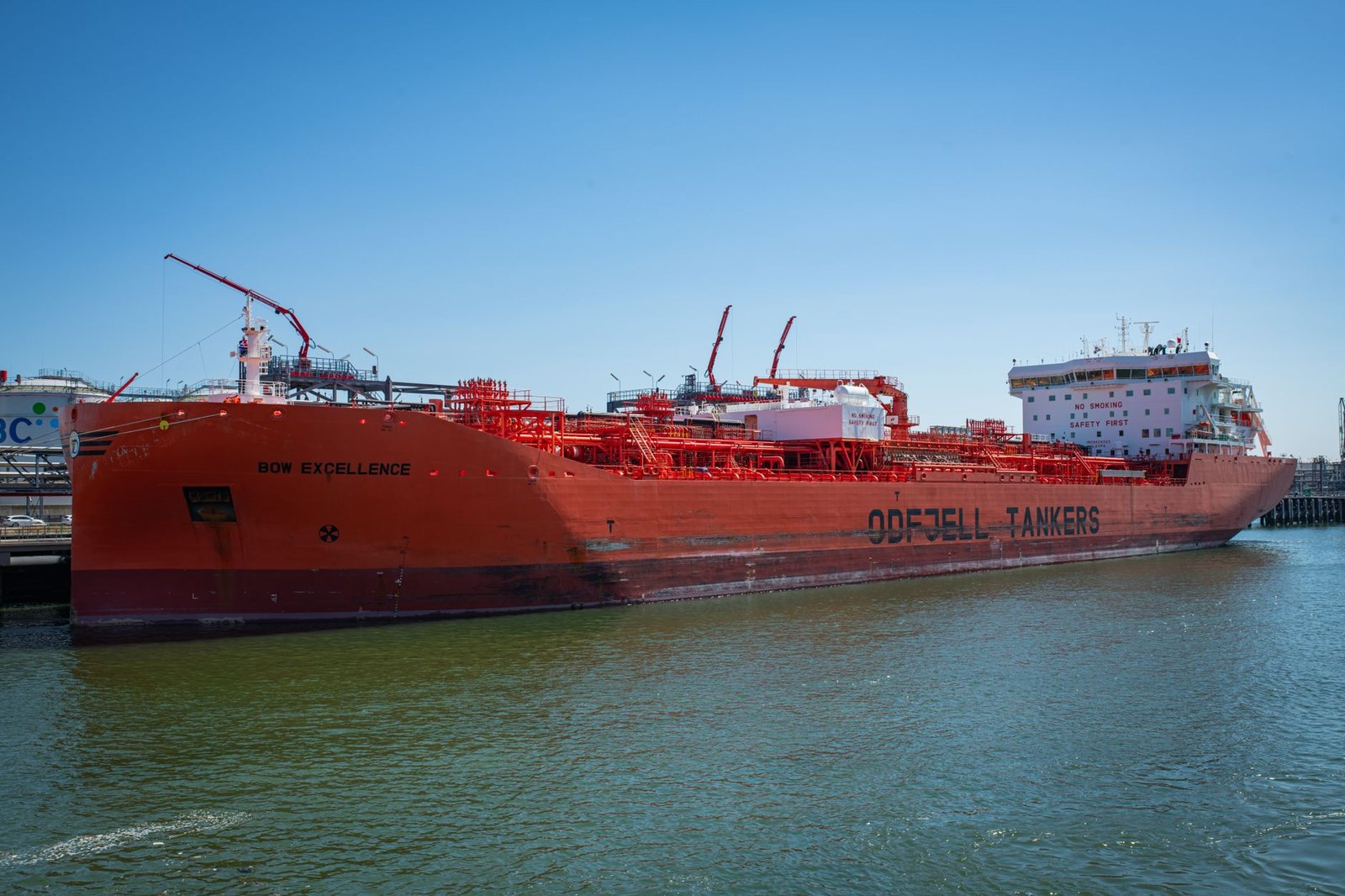
Yaoundé has reached a pivotal moment in reshaping its energy supply chain with a groundbreaking oil import proposal unveiled on October 20, 2026. The meeting between Cameroon’s Minister of Water and Energy, Gaston Eloundou Essomba, and a high-powered delegation led by KC Trade International marks a decisive shift in the country’s approach to petroleum procurement. At the heart of the proposal is Cédric Ketchanga, CEO of the group, who introduced a financing model that pairs two global trading giants: BGN, led by Rüya Bayegan and headquartered in Geneva, and Zyron Energy, a Dubai-based firm specializing in crude oil, refined products, and liquefied petroleum gas (LPG) across West and Central Africa.
What the ‘Open account 100%’ model promises
Central to the proposal is a financing framework dubbed by Ketchanga as ‘Open account 100%.’ Under this arrangement, tankers would deliver oil products to Cameroon before invoicing, with payments deferred to a future date. While such credit-based trade is common in European consumer goods exchanges, it remains uncommon in oil commerce, where documentary letters of credit are the industry standard. The exposure is substantial—each shipment of gasoline or diesel could represent a financial outlay of $30 to $60 million, depending on vessel size and market prices.
Crucially, key financial terms remain undisclosed: the duration of the supplier credit, the volumes involved, and whether sovereign or bank guarantees will be required. Without this clarity, it is challenging to assess the project’s real fiscal impact on Cameroon’s Treasury or the Société camerounaise des dépôts pétroliers (SCDP), the state-owned operator of the country’s oil storage terminals.
Why Cameroon’s oil market has become a magnet for traders
The timing of this proposal is no coincidence. Since the May 2019 fire that shut down the Société nationale de raffinage (Sonara), Cameroon’s only refinery located in Limbé, the country has become a net importer of refined petroleum products. Government data from the Ministry of Water and Energy, shared with the National Assembly, reveals that between January and October 2025, Cameroon imported approximately 1.58 million tons of liquid fuels and 208,216 tons of LPG—totaling nearly 1.79 million tons over ten months. Extrapolated to a full year, annual demand now stands at an estimated 2.1 to 2.2 million tons.
This import surge creates a significant market opportunity for international traders. For context, neighboring Côte d’Ivoire, home to a refinery processing around 3.5 million tons annually, remains a net exporter. The disparity underscores the scale of the untapped market now open to foreign players in Cameroon—a segment long dominated by direct contracts between Sonara and a handful of established suppliers. Rüya Bayegan confirmed after the meeting that BGN has already initiated deliveries to Cameroon and is exploring further investment in the country’s energy sector.
A multi-faceted energy partnership with far-reaching implications
The delegation’s pitch extended well beyond immediate supply. Among the proposals discussed were long-term supply agreements, opportunities to sell Cameroonian crude on international markets, and joint investments in tankers, ports, and oil infrastructure. Each of these initiatives could bind the government into multi-year partnerships with private operators whose role in national supply remains largely undocumented.
The potential liberalization of crude oil marketing stands out as a flashpoint. Today, the Société nationale des hydrocarbures (SNH) handles crude sales through quarterly tenders. Introducing new intermediaries could reshape the state’s oil revenue streams—critical in a country where production has hovered between 60,000 and 65,000 barrels per day in recent years. For policymakers, the decision transcends mere financial mechanics; it’s about defining the future role of new players within the entire hydrocarbon value chain.

 Mariama Hamani