Mariama Hamani
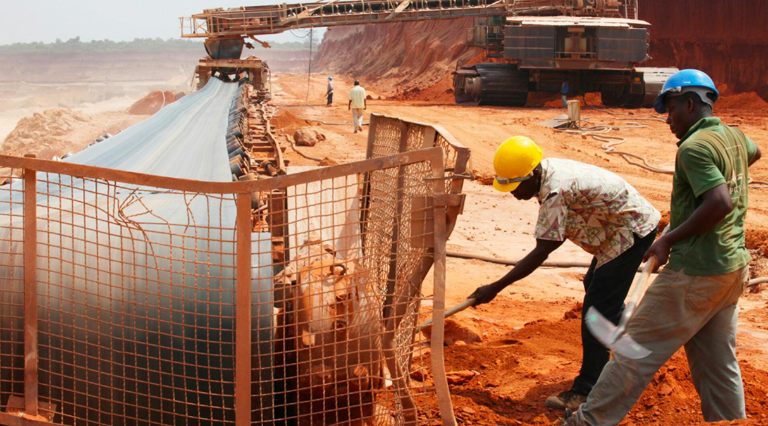
From raw mineral to industrial powerhouse: Togo’s phosphate breakthrough
The West African Economic and Monetary Union (UEMOA) is set to launch a groundbreaking industrial push that could redefine the region’s agricultural landscape. At the heart of this ambitious plan is Togo’s phosphate reserves, poised to become the backbone of a self-sufficient fertilizer industry. With a regional investment commitment of 1.45 trillion CFA francs by 2030, this initiative marks a decisive turning point for West Africa’s economic and food security.
Togo’s strategic role in this UEMOA-backed project isn’t accidental. The country’s rich phosphate deposits, long exported as raw minerals, are now slated for local transformation into high-value fertilizer products. This shift aims to slash the region’s reliance on costly imported fertilizers while unlocking new industrial opportunities.
How UEMOA’s phosphate strategy could reshape West African agriculture
UEMOA’s fertilizer initiative aligns with its broader IMPACT 2030 strategic plan, designed to propel the region toward industrial sovereignty. Unlike isolated national projects, this is a coordinated regional effort to build a phosphate-to-fertilizer value chain that benefits all member states. Togo’s selection as a key industrial hub reflects its untapped potential to process raw phosphate into finished agricultural inputs.
The project’s success hinges on several factors:
- Developing local processing capabilities to move beyond raw mineral exports
- Creating job opportunities in industrial and logistics sectors
- Tailoring fertilizer formulations to West Africa’s unique soil and crop needs
- Building robust supply chains to keep costs competitive
By reducing dependence on foreign fertilizers, UEMOA aims to stabilize food production and boost agricultural productivity across member states.
A $2.1 billion investment to fuel industrial transformation
The program’s financial scale is unprecedented for West Africa’s fertilizer sector. Of the total 1.45 trillion CFA francs (approximately $2.1 billion) earmarked for 2026–2030, private investors are expected to contribute 1.19 trillion, while governments will fund the remaining 239.5 billion. This model underscores the project’s collaborative nature, blending public oversight with private-sector dynamism.
For Togo, the challenge lies in creating an enabling environment for investors. Key priorities include:
- Establishing clear regulatory frameworks for industrial setups
- Developing infrastructure to support phosphate processing and distribution
- Ensuring transparent financing mechanisms and risk mitigation strategies
The program’s phased approach will require precise coordination between UEMOA authorities, national governments, and industry players to meet ambitious timelines.
From minerals to market: the fertilizer independence equation
West Africa’s paradox—abundant phosphate reserves but heavy reliance on imported fertilizers—has long constrained agricultural growth. UEMOA’s strategy seeks to reverse this trend by localizing production. The plan involves:
- Building regional phosphate processing plants
- Establishing blending units near agricultural hubs
- Developing customized fertilizer blends for local crops and soils
The anticipated benefits extend beyond economics:
- Lower costs for farmers through reduced import dependency
- Greater control over supply chains and pricing
- Enhanced food security through reliable fertilizer access
If executed successfully, this could serve as a blueprint for other resource-rich regions seeking industrial transformation.
The road ahead: turning vision into reality
While the potential is immense, the project’s success depends on execution. UEMOA’s ability to mobilize investors, streamline regulations, and deliver infrastructure will determine whether Togo’s phosphate becomes a catalyst for regional growth. The next 24 months will be critical in defining project scopes, securing funding, and launching pilot facilities.
The stakes are high. A thriving phosphate-to-fertilizer industry could:
- Create thousands of jobs in Togo and neighboring countries
- Strengthen UEMOA’s industrial sovereignty
- Empower West African farmers with affordable, locally produced inputs
For now, the blueprint is in place. The challenge is translating ambition into action—and Togo is at the forefront of this historic shift.


 Boureima Amadou