Mariama Hamani
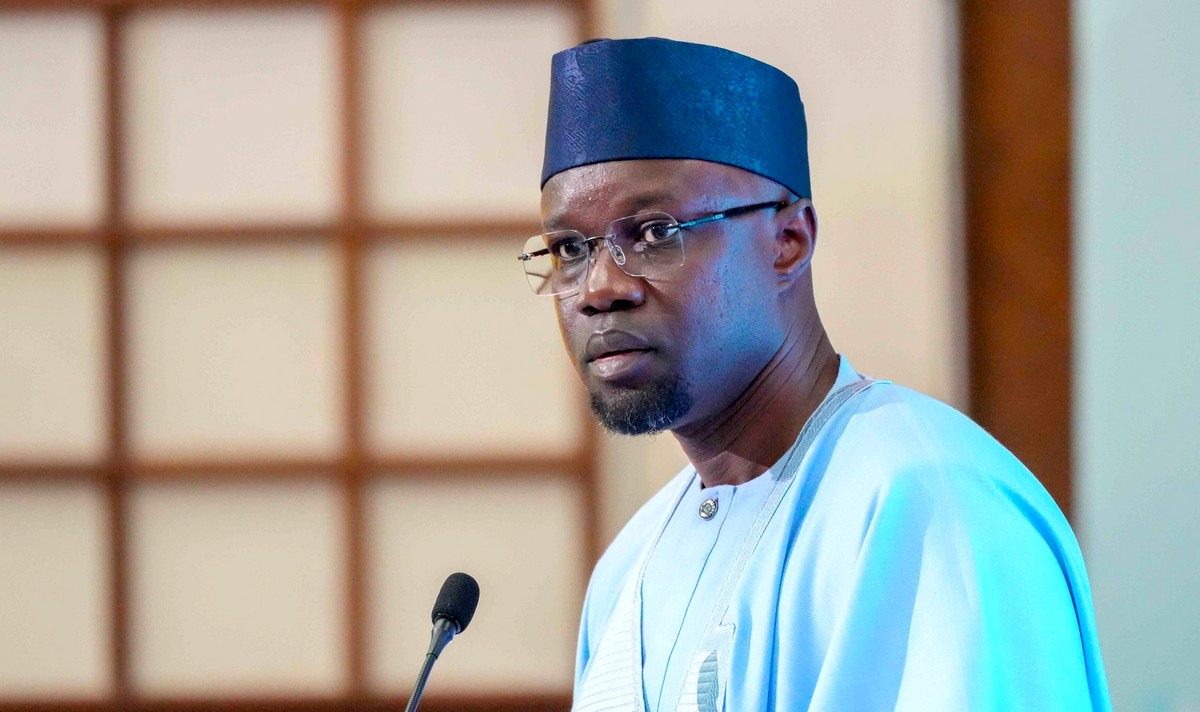
Senegal’s debt strategy shift: Sonko’s alternative funding push gains momentum
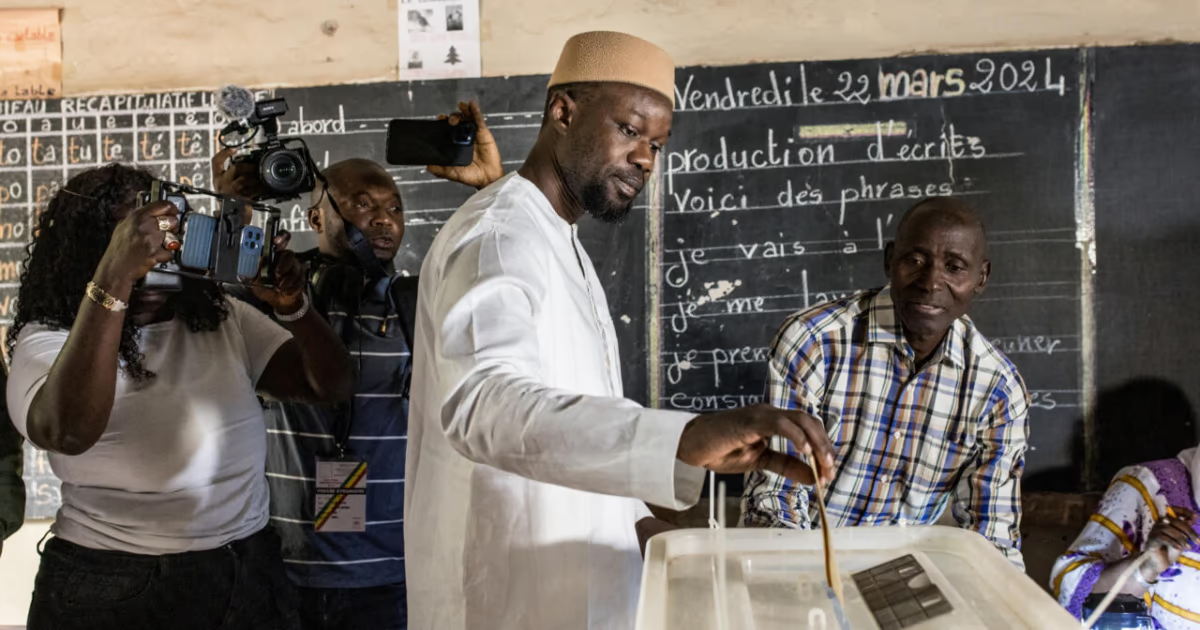
The former Prime Minister of Senegal, Ousmane Sonko, has forcefully defended his administration’s debt management strategy, which prioritized alternative financing over debt restructuring between 2024 and 2026. Speaking at a press conference on October 19, 2026, Sonko dismantled claims of inaction, asserting that neither he nor his finance team had ever supported restructuring.
« Former Finance Minister Abdourahmane Sarr can confirm, along with current Finance Minister Cheikh Diba, that at no point did we advocate for debt restructuring, » Sonko stated, emphasizing the unanimous stance of the three key decision-makers.
He further revealed that President Bassirou Diomaye Faye later aligned with this position after multiple high-level meetings. « After two or three sessions, the President adopted the same stance, » Sonko explained, framing the approach as a collective refusal to restructure the country’s debt.
Mobilizing billions without restructuring
Facing criticism over perceived financial inertia, Sonko highlighted the government’s Plan for Economic and Social Recovery, which aimed to secure between 1.8 and 2 trillion CFA francs through alternative means. This strategy relied on partnerships with global financial institutions, including the African Development Bank (AfDB), the West African Development Bank (BOAD), the Islamic Development Bank (IsDB), and JPMorgan.
Sonko dismissed allegations of inactivity, pointing to meeting minutes and internal documentation that purportedly tracked these negotiations. The goal? To establish a guarantee fund capable of unlocking financial resources without altering the debt’s core structure.
UAE partnership delivers $2 billion commitment
Sonko also disclosed that Senegal secured a $2 billion agreement with the United Arab Emirates after two diplomatic visits. He claimed this deal included $1 billion in favorable financing and $1 billion in local investment projects, such as a business center on the former French military base in Mermoz.
According to Sonko, the UAE disbursed the first tranche of $1 billion in February 2026—$900 million for financial operations and $100 million for the business center. However, he acknowledged that full verification of these figures and their implementation remains pending.
Rejecting the G20’s debt framework
Sonko criticized the G20’s Common Framework for debt treatment, arguing that Senegal’s alternative solutions made it unnecessary. « Senegal should not have been the first test case for untested systems, » he argued, asserting that the country’s challenges were primarily liquidity-based—not structural.
He cited a purported statement from the IMF Managing Director that Senegal possessed sufficient strengths to recover with adequate support, reinforcing his position that restructuring was avoidable.
Questions linger over strategy’s viability
While Sonko’s remarks underscore a decisive pivot toward alternative financing, key uncertainties remain. Were the pledged funds formally committed? Have the UAE disbursements occurred as stated? And could the proposed mechanisms sustainably address Senegal’s long-term financing needs?
Clear documentation from involved institutions would be critical to validate the claims and assess the strategy’s long-term impact on Senegal’s debt trajectory.