Boureima Amadou
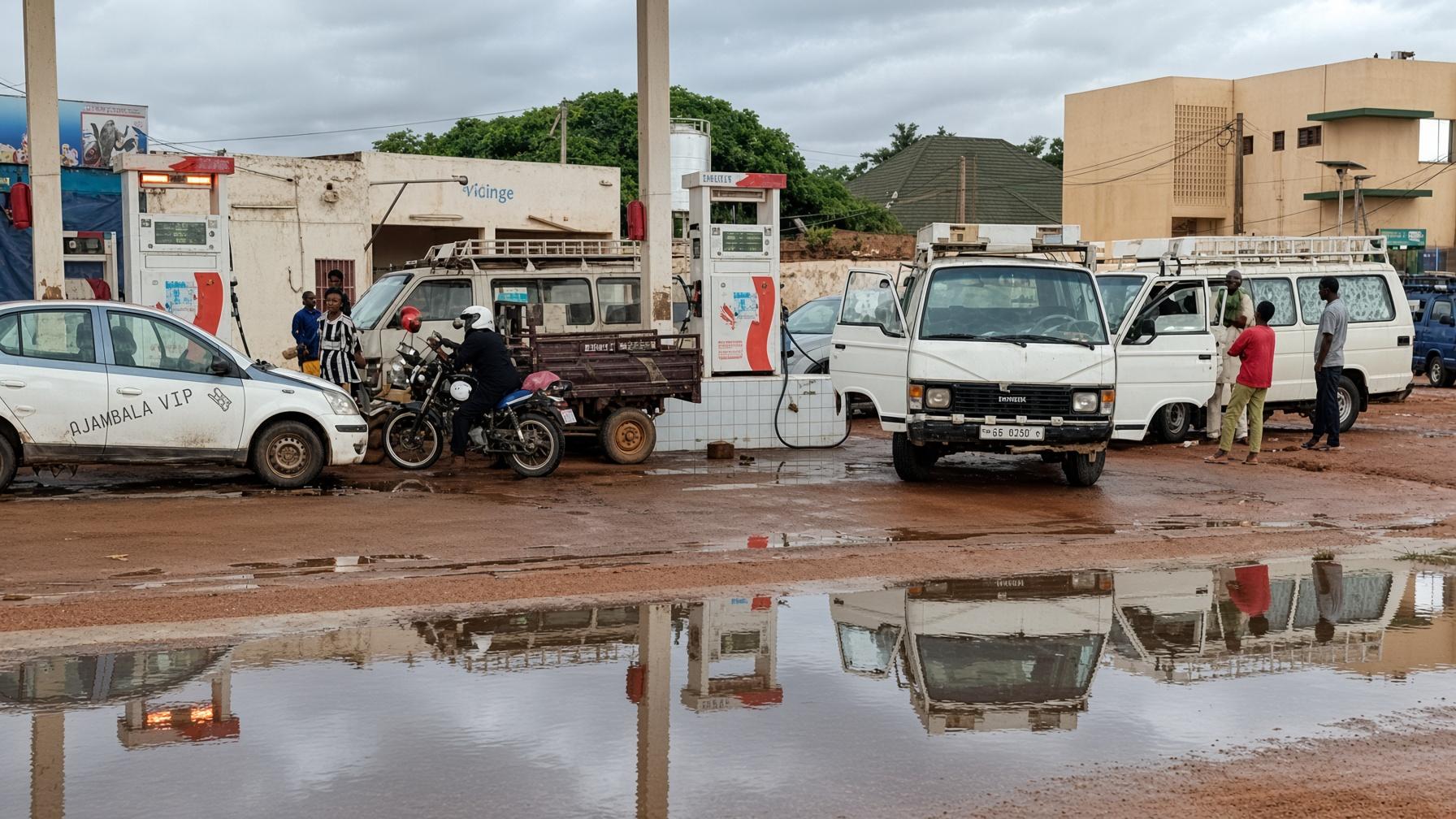
The Nigerien government has taken a decisive step to curb the country’s worsening fuel crisis, but the measures may be doing more harm than good. A sweeping new directive, effective since October 19, 2026, imposes strict nighttime closures on petrol stations and bans the sale of fuel in jerrycans. While framed as a temporary fix, the policy threatens to deepen logistical bottlenecks and fuel public frustration.
Night curfews at petrol pumps: a risky move in a stretched supply chain
The new regulations require most service stations to close between 9 PM and 6 AM daily. The stated goal is to streamline deliveries by giving tanker trucks from the Nigerien Petroleum Company (SONIDEP) unfettered access during off-peak hours. In theory, this should ease congestion and improve distribution efficiency.
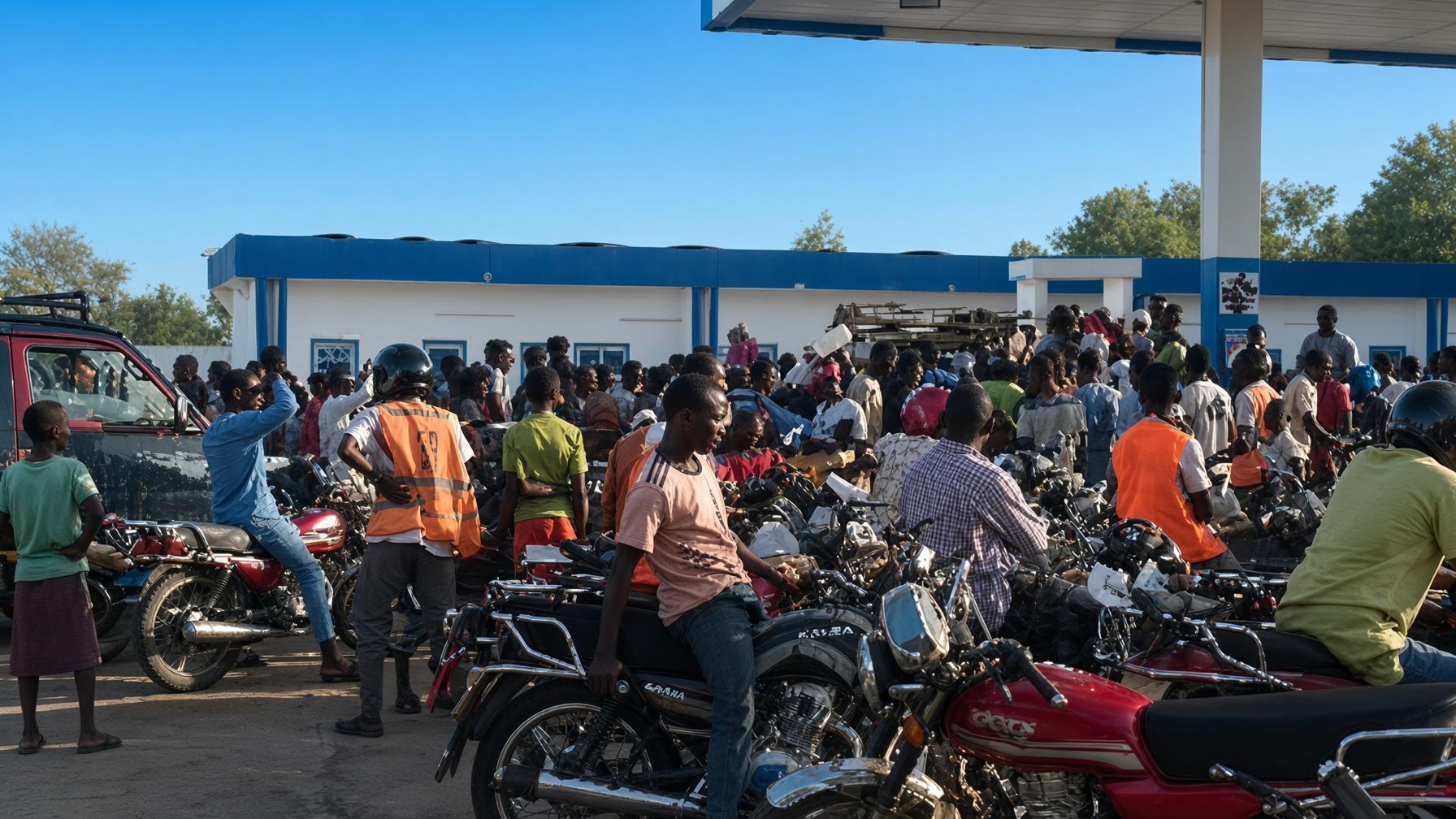
In practice, the move risks creating a new kind of gridlock. By halving the time available for fuelling, the government may inadvertently shift demand into already crowded daytime hours, leading to longer queues and increased strain on remaining open stations. Although authorities pledge to designate emergency service points in every municipality, details on capacity and accessibility remain vague, leaving drivers in the dark about where and when they can refuel.
Crackdown on jerrycans: targeting the symptom, not the cause
Alongside the curfew, the government has outlawed the sale of fuel in jerrycans and containers, targeting what it calls the “artificial scarcity” driven by informal vendors. Security forces have been mobilised to enforce the ban, shifting the burden of accountability onto small-scale traders and consumers.
Yet this hardline approach ignores a fundamental issue: in many areas, street vendors fill the gap left by an unreliable official supply network. By criminalising this informal trade, the state is not solving the fuel shortage—it is merely pushing it underground, pushing up prices and inconveniencing ordinary Nigeriens who depend on quick access to petrol for daily life.
When urgency meets reality: will the measures hold or collapse?
The emergency plan was developed in consultation with SONIDEP, Niamey authorities, and local leaders, and is presented as a stopgap measure. But appealing for “civic duty” and “discipline” only goes so far when the root causes of the crisis—logistical failures and inadequate fuel reserves—remain unaddressed.
For now, Nigeriens must navigate a new reality: tighter schedules, fewer options, and a government stance that prioritises control over supply. Whether these restrictions will stabilise the market or merely escalate tensions remains uncertain. What is clear, however, is that without deeper systemic reforms, the fuel drought will continue to define daily life in Niger.


 Mariama Hamani