Mariama Hamani
Fuel crisis sparks Niamey’s economic reckoning
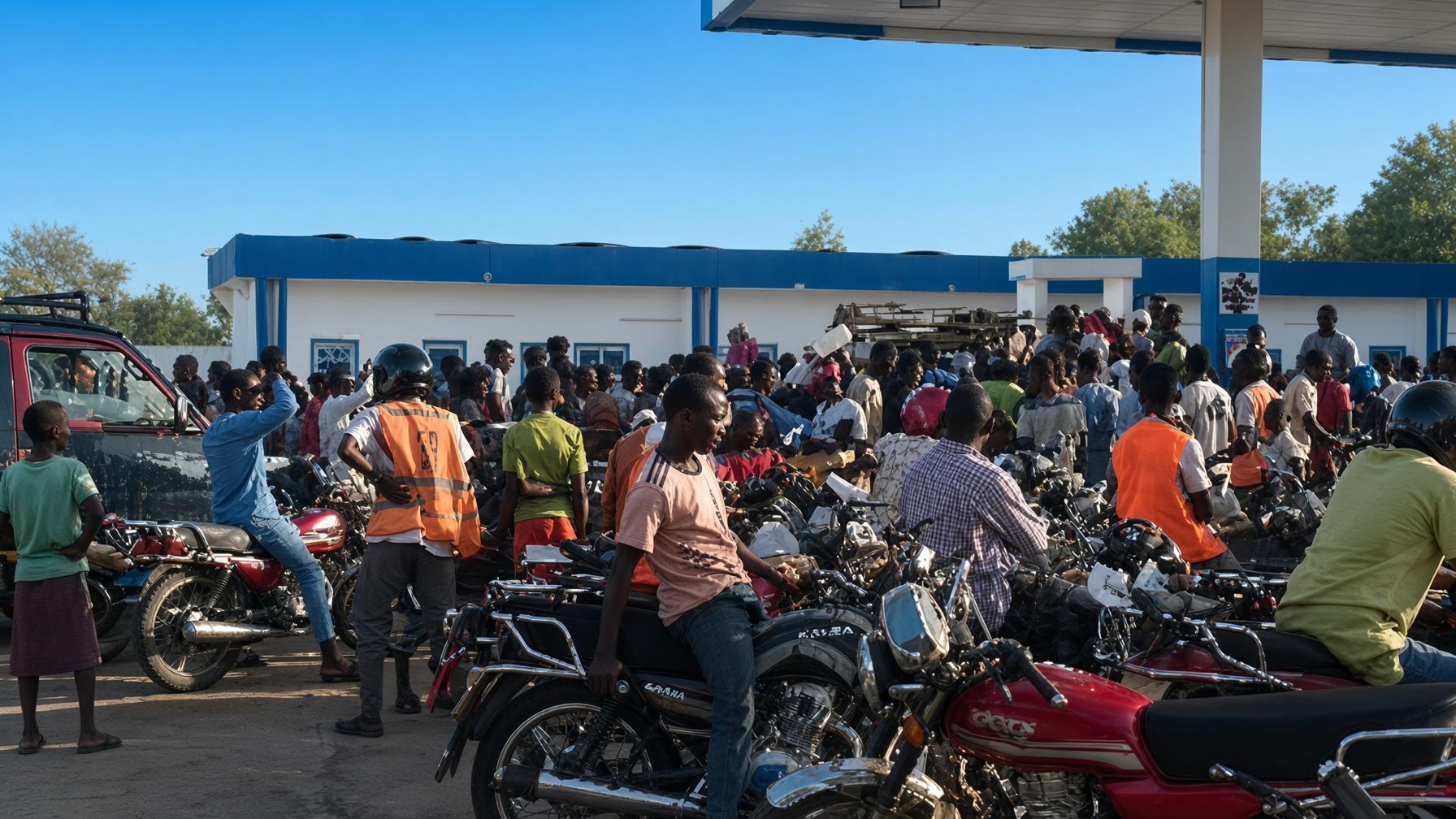
Niamey has reached a critical turning point in its worsening fuel crisis, where chronic shortages have escalated from inconvenience to existential threat. Long lines snake outside gas stations that open erratically—or not at all—while motorists burn time, fuel, and precious income waiting for an elusive fill-up. What began as a logistical hiccup has morphed into a full-blown crisis of governance, exposing the fragility of Niger’s energy infrastructure and the cost of policy paralysis.
The human cost behind closed pumps
For families and small businesses across Niamey, the absence of fuel is not just a matter of delayed commutes—it’s a barrier to survival. Markets come to a standstill when goods can’t be transported from warehouses to stalls. Daily wage earners miss work, accruing losses that ripple through households already burdened by rising costs. The transport sector, the backbone of the local economy, is grinding to a halt, with drivers forced to cancel routes or pass on inflated fuel costs to passengers.
Behind the scenes, a parallel economy thrives in desperation. Black market vendors sell adulterated fuel at exorbitant prices, leaving drivers to gamble with engine damage and safety. This shadow trade isn’t a solution—it’s a symptom of a system that has failed to deliver the most basic public service: reliable access to energy.
Government’s failed strategy fuels deeper crisis
The state’s response has been reactive at best, and at worst, a recipe for chaos. Officials scrambled to publish a list of operational gas stations, but the move backfired, drawing even more traffic to the few remaining outlets and turning them into flashpoints of anger and disorder. Rather than easing the crisis, the government’s patchwork measures have only magnified it—shifting desperation from one neighborhood to another without addressing root causes.
A broken supply chain rooted in policy failure
Niger’s much-touted oil independence is a mirage. Despite hosting the Soraz refinery in Zinder—allegedly capable of processing 20,000 barrels per day—domestic production falls woefully short. Official data reveals a staggering deficit: over 196 million liters of gasoline and 52 million liters of diesel vanished from the national supply between January and August of the previous year. These shortages aren’t seasonal or temporary—they’re structural, the result of years of mismanagement and neglect.
The collapse of illegal fuel imports from Nigeria, once a lifeline of cheap petrol, has exacerbated the crisis. As Nigeria phased out subsidies, cross-border smuggling collapsed, leaving Niger’s official supply chains exposed. Yet instead of responding proactively, the government remained idle, relying on costly, poorly managed imports to fill the void. The Soraz refinery, skewed toward diesel production, offers little relief for gasoline demand, leaving the country dependent on expensive foreign fuel it can barely afford.
Transparency vacuum deepens public distrust
At the heart of the crisis lies a crisis of credibility. Citizens demand clear information about fuel stocks and distribution timelines, but the government offers only silence. Officials deny allegations of mismanagement or corruption without providing audits or accountability. This opacity fuels rumors, panic, and a growing belief that the fuel shortage is not just a logistical failure—it’s a deliberate tactic of misdirection.
The minister’s dismissive denial of fraud, unsupported by concrete data, only serves to erode trust further. In the absence of reliable leadership, the vacuum is filled by speculation, exploitation, and a sense that those in power are either unable or unwilling to fix the problem.
From crisis to catastrophe: the road ahead
If left unaddressed, the fuel shortage will metastasize into a full-blown economic calamity. Rising transport costs will cascade into higher prices for basic goods, pushing inflation to unbearable levels. Small businesses, already teetering on the edge, will collapse. Families will forgo essential needs to cover transportation. The informal market, far from a savior, will only deepen inequality and insecurity.
This is not just a fuel crisis—it’s a governance crisis. A state that cannot ensure access to fuel cannot ensure stability, economic growth, or public trust. The turning point has arrived. The question is whether the authorities will act with urgency and transparency—or continue to watch as Niamey suffocates.

 Boureima Amadou