Mariama Hamani
Senegal has officially set in motion a historic plan to clear 1.9 trillion FCFA (approximately 2.9 billion euros) in public arrears before the end of the current fiscal year. The announcement, delivered by a deputy minister at the Ministry of Economy, Finance, and Planning, prioritizes payments to small and medium-sized enterprises (SMEs), which form the backbone of the nation’s economic fabric. While technical details remain under wraps, this initiative arrives at a critical juncture for Dakar’s strained public finances.
Uncovering the scale of Senegal’s public arrears crisis
The staggering 1.9 trillion FCFA figure—equivalent to roughly 10% of Senegal’s projected 2024 GDP of 19 trillion FCFA—highlights years of unpaid invoices, delayed public contract settlements, and unresolved tax credits. Officials have yet to disclose a breakdown of domestic versus external debt, the number of affected businesses, or the eligibility criteria for the initial payment wave. This lack of transparency has fueled uncertainty among stakeholders.
Local business groups, including the National Council of Employers (CNP) and the National Confederation of Senegalese Employers (CNES), have long warned that over 60% of some sectors—such as construction, IT services, and administrative supplies—rely on government contracts. Since mid-2023, cascading bankruptcies, layoffs, and a sharp decline in bank lending to state suppliers have crippled these industries, exacerbating economic fragility.
From hidden debts to financial accountability
The arrears issue is inextricably linked to a February 2025 report by Senegal’s Audit Court, which exposed hundreds of billions in unrecorded public liabilities inherited from the previous administration. The revelation prompted the International Monetary Fund (IMF) to freeze its ongoing program, demanding a comprehensive audit before resuming disbursements. Negotiations for a new IMF facility are currently underway, with domestic arrears resolution serving as a key performance benchmark.
For the IMF, clearing arrears is not just a fiscal exercise but a litmus test for structural reform. A transparent, verifiable payment mechanism—whether through direct cash disbursements, Treasury bond issuance, or tax offsets—could unlock a new Extended Credit Facility. Without such measures, Senegal risks prolonged financial isolation and investor skepticism.
A regional benchmark and political litmus test
Senegal is not alone in confronting this challenge. Ivory Coast successfully cleared around 800 billion FCFA in domestic arrears between 2012 and 2015, combining direct payments with regional bond issuances. Benin followed suit in 2019, restoring confidence in its private sector and catalyzing private investment. Both cases underscore how arrears clearance can precede broader economic revival.
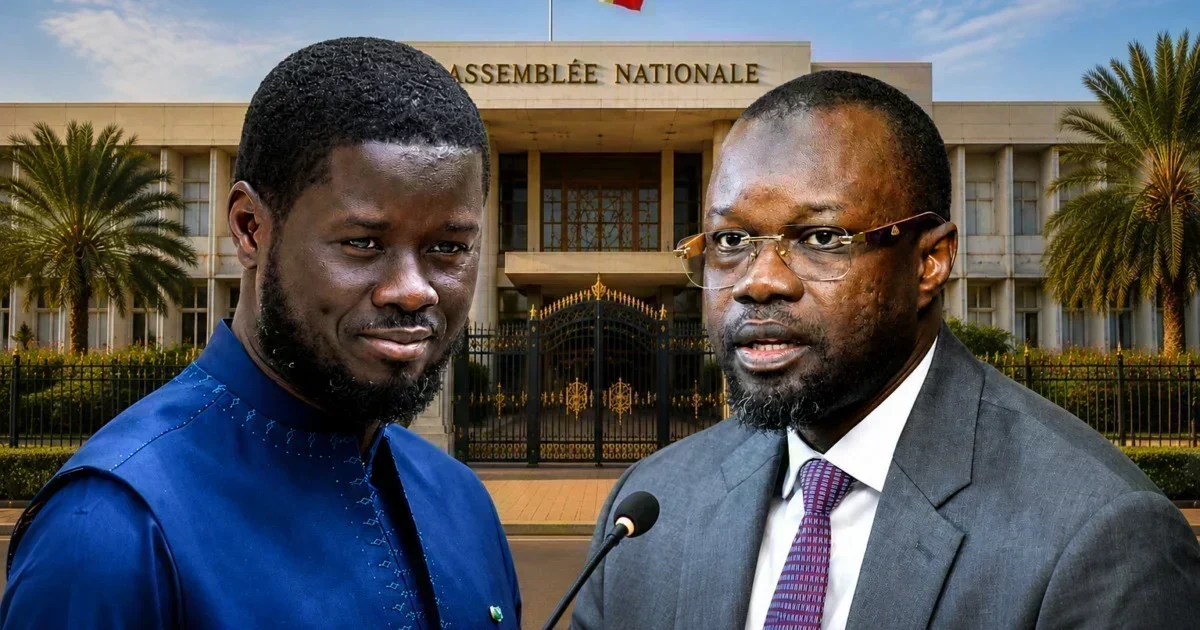
For President Bassirou Diomaye Faye and Prime Minister Ousmane Sonko, who took office in April 2024 on a platform of fiscal transparency, this initiative is both a political and economic imperative. Meeting the year-end deadline would send a powerful signal to the business community, which has weathered 18 months of declining public orders and downgraded growth forecasts. Yet the path forward remains fraught with tough choices.
Weighing the options: debt, delay, or fiscal offsets
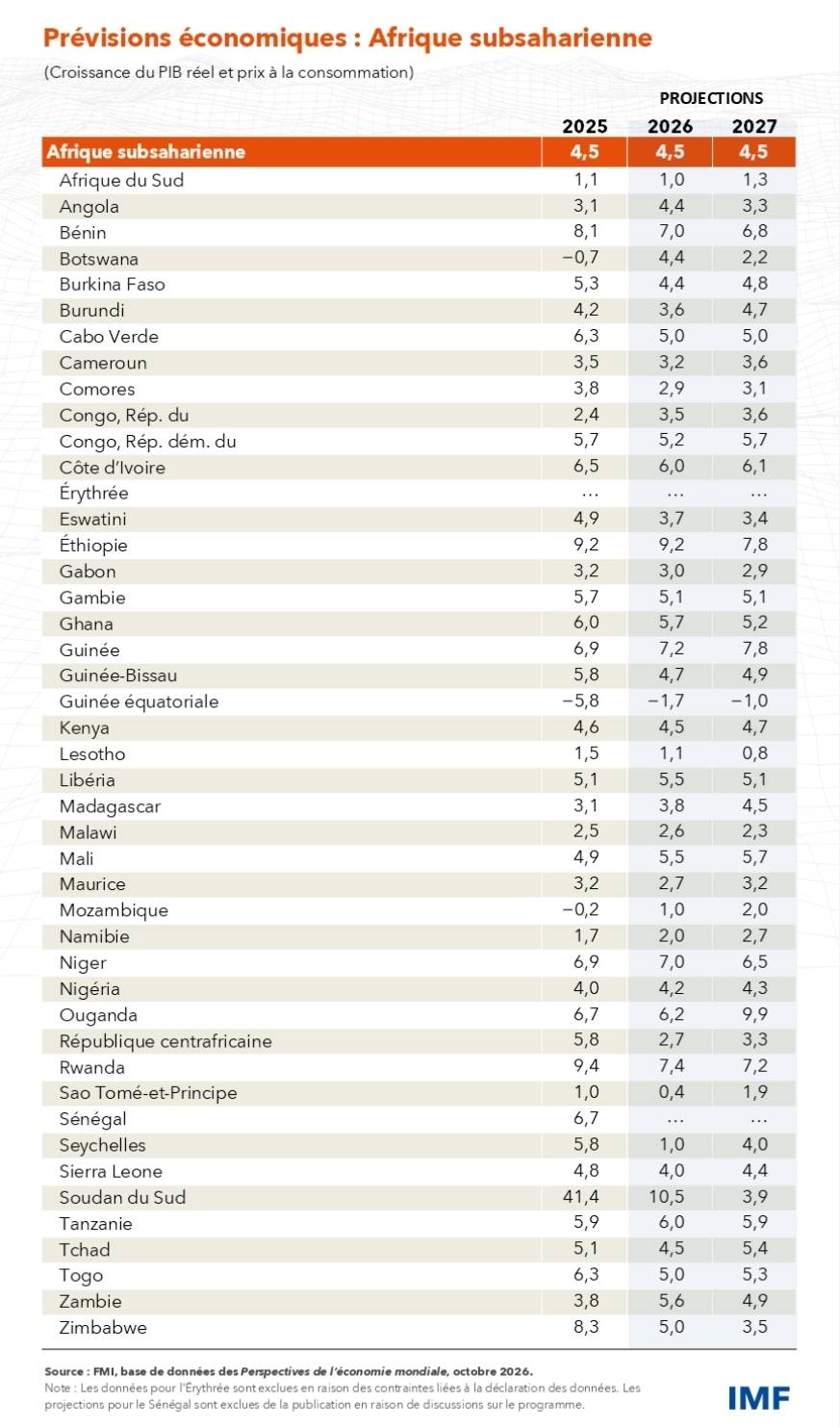
The government faces a trilemma: tapping expensive regional debt markets (where Senegal’s 2025 bond issuances have flirted with 8% interest rates), stretching payments over time, or leveraging tax compensations. The chosen strategy will determine whether this arrears cleanup delivers tangible relief to SMEs or merely postpones an already unsustainable fiscal imbalance. With the IMF’s scrutiny intensifying, the stakes could not be higher.

 Boureima Amadou