Mariama Hamani
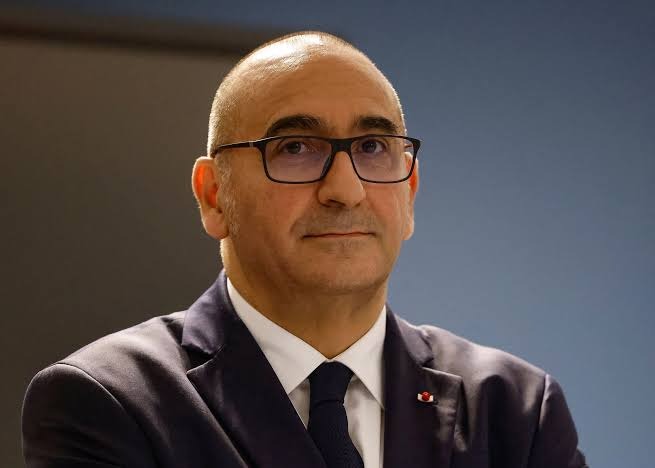
As France grappled with a fresh wave of urban violence marked by looting, violent clashes, and the swift construction of barricades across major cities, the government found itself at the center of a political and security storm. Despite widespread acknowledgment of systemic failures within the security apparatus, President Emmanuel Macron made a decisive move—rejecting the resignation of Interior Minister Laurent Nuñez, tendered in what many viewed as an act of responsibility amid the chaos.
From resignation to resurgence: a strategic gamble
The scale of destruction and the harsh criticism directed at the government’s handling of last Saturday’s events prompted Laurent Nuñez to formally submit his resignation to the President. However, the Élysée swiftly dismissed the gesture, framing it not as an act of defiance but as a necessary stance to preserve the continuity of the state’s command structure during a critical security crisis.
The presidency’s official statement underscored the urgency of stabilizing France’s security apparatus, emphasizing that dismissing Nuñez at this juncture would have risked undermining law enforcement agencies precisely when they needed steadfast leadership most. This decision, while abrupt, signals a calculated gamble by Macron to navigate the storm rather than retreat from it.
Rethinking riot response: a shift in tactics
Rejecting Nuñez’s resignation was merely the first step. The Interior Minister now faces an unprecedented mandate: implementing sweeping reforms to police intervention strategies before the unrest escalates further. The government has made it unequivocally clear that the status quo—characterized by delayed reactions and ineffective containment—is no longer acceptable.
The new approach demands a proactive, assertive stance against troublemakers. Authorities aim to dismantle barricades instantaneously, curb looting sprees, and protect public and private property from destruction. This pivot reflects a broader commitment to shifting from reactive to preventive policing, a move critics argue should have been adopted long ago.
Uncovering intelligence gaps: the root of the crisis
Beyond tactical adjustments, Macron has tasked Nuñez with addressing critical systemic flaws exposed during the unrest. The President has called for a rigorous audit of the intelligence and anticipation mechanisms that failed to foresee—and mitigate—the scale of the violence. The government’s insistence on transparency underscores the severity of these lapses and the public’s demand for accountability.
Nuñez’s immediate challenge is twofold: overhauling France’s security architecture while restoring public confidence in the state’s ability to restore order. The stakes are monumental—not just for his political career, but for Macron’s broader security doctrine as the nation braces for further unrest.
What’s next for France’s security landscape?
The coming weeks will determine whether Macron’s gamble pays off. With public trust eroding and opposition parties seizing on the crisis, the interior minister’s ability to deliver tangible results will be scrutinized like never before. The government’s next moves—whether in restructuring police tactics or addressing intelligence failures—could either quell the unrest or fuel further discontent. One thing is certain: France’s security strategy is at a turning point, and the cost of failure is unthinkable.

 Boureima Amadou