Mariama Hamani
Senegal: Ousmane Sonko explains why Pastef refused cabinet role
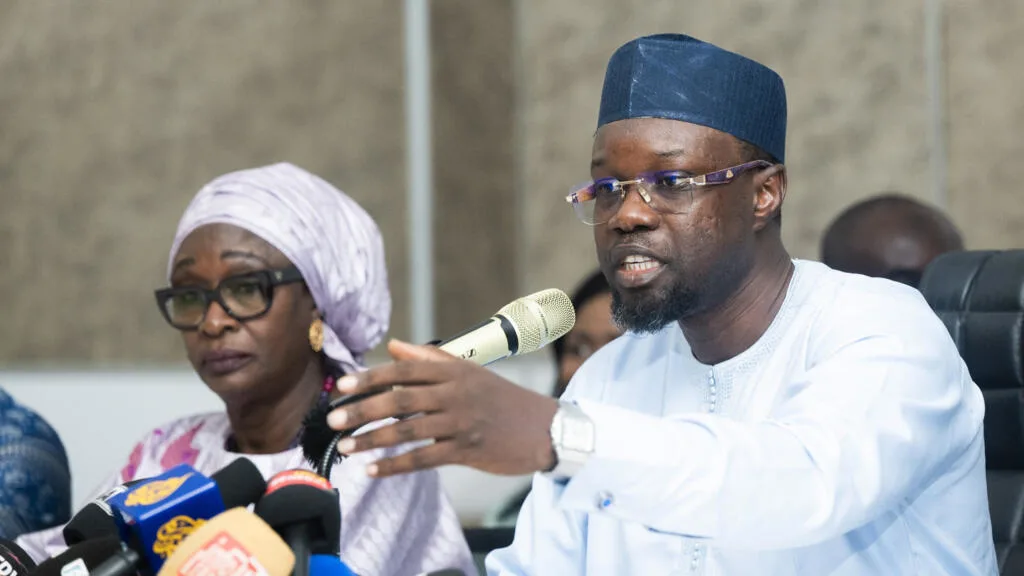
During a press briefing in Dakar on Tuesday, June 2, Ousmane Sonko, former Prime Minister and leader of the Pastef movement, outlined the reasons behind his party’s decision to decline an invitation to join Senegal’s newly formed government.
The announcement came just one day after President Bassirou Diomaye Faye unveiled the cabinet lineup, headed by Prime Minister Ahmadou Al Aminou Mohamed Lô.
Sonko emphasized that fundamental disagreements over policy priorities and ministerial portfolios made collaboration impossible. Key concerns included judicial reform, fiscal transparency, and the renegotiation of strategic contracts—issues central to Pastef’s political platform.
Policy and power: the heart of the dispute
According to Sonko, discussions with the president revealed significant gaps between their visions. He noted that assurances on debt restructuring—specifically regarding commitments to the International Monetary Fund—remained vague. On purchasing power, he said the president suggested gradual price adjustments for subsidized goods, while on justice reform, the administration claimed the existing system was already optimal.
Sonko described the responses as ‘lukewarm’ and insufficient to justify participation in the government.
Ministerial balance: a non-negotiable demand
Beyond policy differences, Sonko stressed that Pastef would only consider joining a cabinet if granted at least half of the ministerial positions. He argued that representation proportional to the party’s influence was essential for effective governance and accountability.
He also criticized the legitimacy of the new administration, noting that only five ministers were drawn from Pastef ranks—though not officially endorsed by the party. Despite this, Sonko pledged not to file a no-confidence motion unless the government initiated hostilities first.

Mariama Hamani
Journalist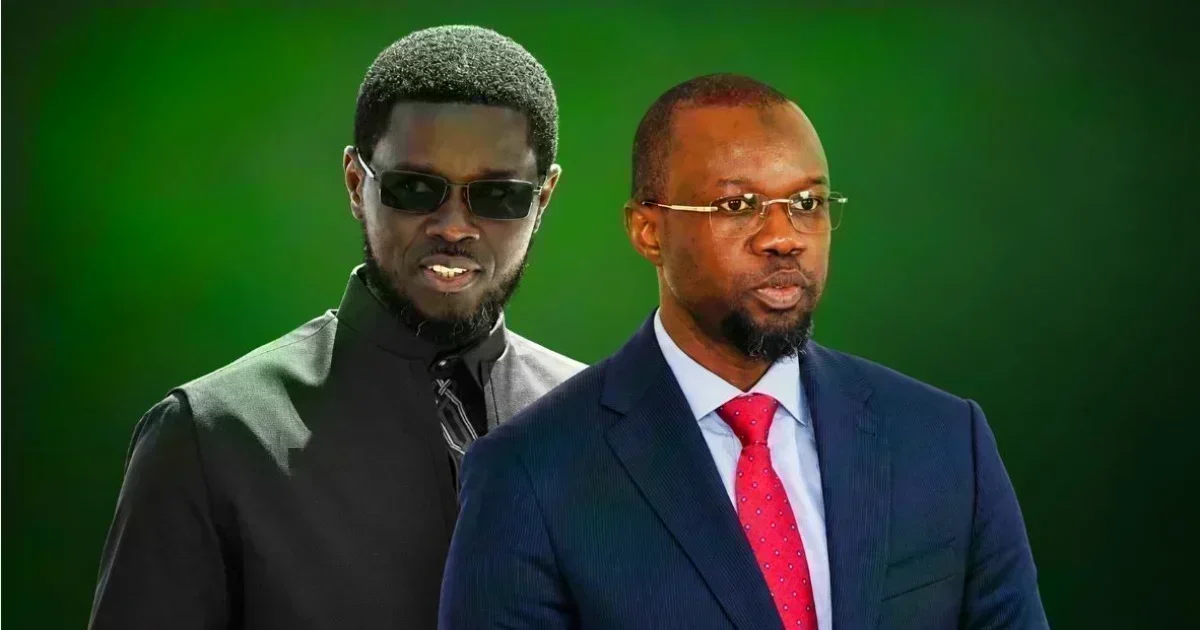
Boureima Amadou
- Politics
- October 22, 2026
- 9 views
Senegal’s political rift: Sonko and Faye’s sharply contrasting moves spark backlash
Senegal’s political landscape is facing intense scrutiny as mounting contradictions between president Bassirou Diomaye Faye and opposition leader Ousmane Sonko come under sharp criticism. The shifting stances of both figures—once…
- Economy , Politics
- October 22, 2026
- 14 views
Burkina Faso’s missing public investment billions: the turning point after 63% vanished
From Budget Line to Broken Promises: The Stark Gap in Public Investment The government’s ambitious budget announcements and resource mobilization efforts in Burkina Faso are facing a harsh reality: only…