Boureima Amadou
Senegal: why Ousmane Sonko’s Pastef declined cabinet roles
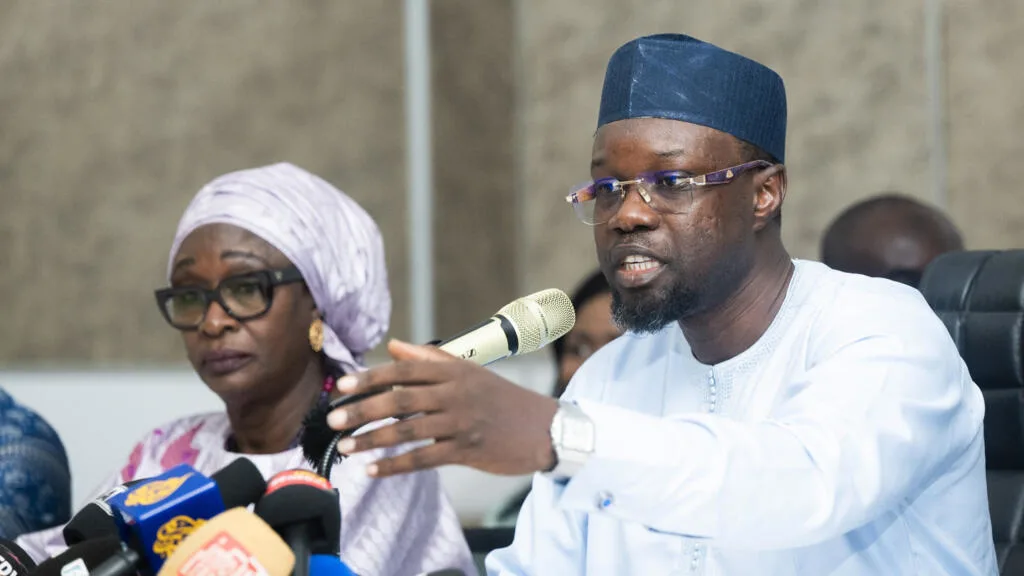
During a press conference in Dakar on June 2, former Prime Minister Ousmane Sonko addressed the decision by his party, Pastef, to decline participation in the newly formed cabinet announced the previous day by President Bassirou Diomaye Faye’s administration.
Sonko highlighted deep-seated disagreements with the administration over critical policy priorities and ministerial allocations, which he described as fundamentally irreconcilable.
Key concerns raised by the Pastef leader included the government’s lack of concrete commitments on judicial reform, debt restructuring negotiations, and accountability measures—particularly regarding the management of public finances. Sonko emphasized that the administration’s responses to these issues were ambiguous and insufficient.
Ambiguous responses on debt and justice
According to Sonko, President Faye acknowledged no formal agreements with the International Monetary Fund (IMF) regarding debt restructuring. Regarding cost-of-living measures, the president merely suggested applying market prices to certain subsidized goods where feasible. On judicial independence, the administration’s stance was dismissive, with Faye asserting that Senegal already boasts the world’s best judicial system—an assessment Sonko sharply disputed.
Sonko also reiterated that the Pastef would not accept a cabinet role unless granted at least half of the ministerial positions, a demand that went unmet. The party leadership further criticized the legitimacy of five ministers from its ranks who joined the government without official endorsement from Pastef.
Despite these tensions, Sonko clarified that his party would refrain from introducing a no-confidence motion unless provoked by the administration, signaling a cautious approach amid ongoing political negotiations.