Boureima Amadou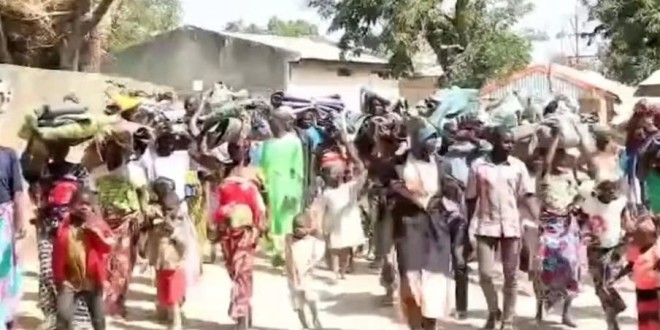
Mayo-Tsanaga in ruins: Boko Haram’s reign of terror and the state’s indifference
Decade-long terror: how Boko Haram turned the Mayo-Tsanaga into a ghost region
The insurgency that began across the border in Borno State, Nigeria, in the early 2000s has left a trail of destruction in Cameroon’s Mayo-Tsanaga. What started with isolated attacks on the slopes of Mount Gossi near Tourou in 2014 has escalated into a full-blown humanitarian disaster.
Over the past twelve years, Boko Haram militants have systematically targeted villages, markets, schools, health centers and security outposts. Their strategy combines arson, mass killings, abductions and looting. Entire communities have been forced to flee, leaving behind abandoned homes, scorched farmland and empty classrooms. More than fifty settlements—including Gossi, Tourou, Vizik, Ldamang and Koza—have been partially or completely deserted as families seek refuge in distant towns or hide in mountain caves to escape nighttime raids.
From Mokolo to Koza: a landscape of abandonment and despair
In May 2022, local officials reported that ten villages had been completely abandoned, two were under militant control and seven others faced regular assaults. Today, the situation has worsened. Areas like Toufou 1, Toufou 2, Roum and Hitawa—once thriving communities—are now ghost zones where only the echoes of gunfire remain.
The psychological toll is immense. By night, residents abandon their homes. Men, women and children trek into the mountains, sharing shelter with wildlife to avoid the militants’ raids. At dawn, they return to assess the damage, plant crops or try to salvage what little they can. Sleep is a luxury few can afford.
Under-equipped forces face an uneven battle
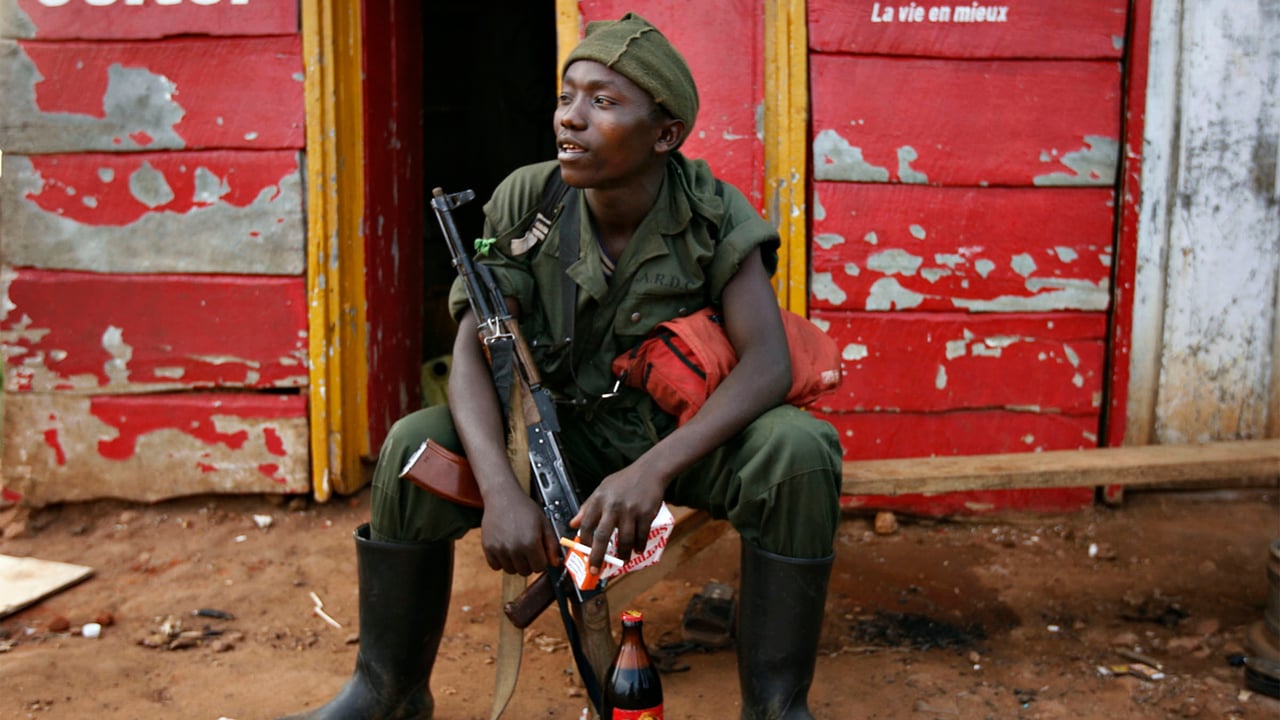
Government response has been inconsistent and inadequate. In some villages, only two soldiers are stationed to protect thousands of civilians. Facing heavily armed insurgents, local vigilance committees—armed with machetes and sticks—often become the first line of defense. The contrast in firepower is stark, and the human cost continues to rise.
Displaced populations now exceed 9,000, with hundreds more fleeing each month. In June 2026 alone, 482 people—78 households—were recorded as newly displaced from Mokolo, Koza and Mayo-Moskota. Some families have traveled over 200 kilometers to reach safety in the Mayo-Danay department, abandoning not only their homes but also their identity documents and livelihoods.
Broken promises and political silence
Despite high-level visits and public pledges, no lasting solutions have materialized. Communities in Tourou and Koza ask why their leaders remain silent as their villages burn. Elites from the region—administrators, politicians and influential figures—are notably absent when crisis strikes. Electoral promises ring hollow in the face of daily violence.
The humanitarian fallout is devastating. Schools close, farms lie fallow and local economies collapse. Thousands of children have been separated from their families during chaotic evacuations. Without access to education or protection, many are left vulnerable to exploitation, early marriage or recruitment by armed groups. Young girls face particular risks, including abduction and gender-based violence.
The Mayo-Tsanaga is not just losing its people—it is losing its future. Unless urgent action is taken, the region risks irreversible depopulation and collapse. Citizens ask: how many more villages must be abandoned before this crisis becomes a national priority?


 Mariama Hamani