
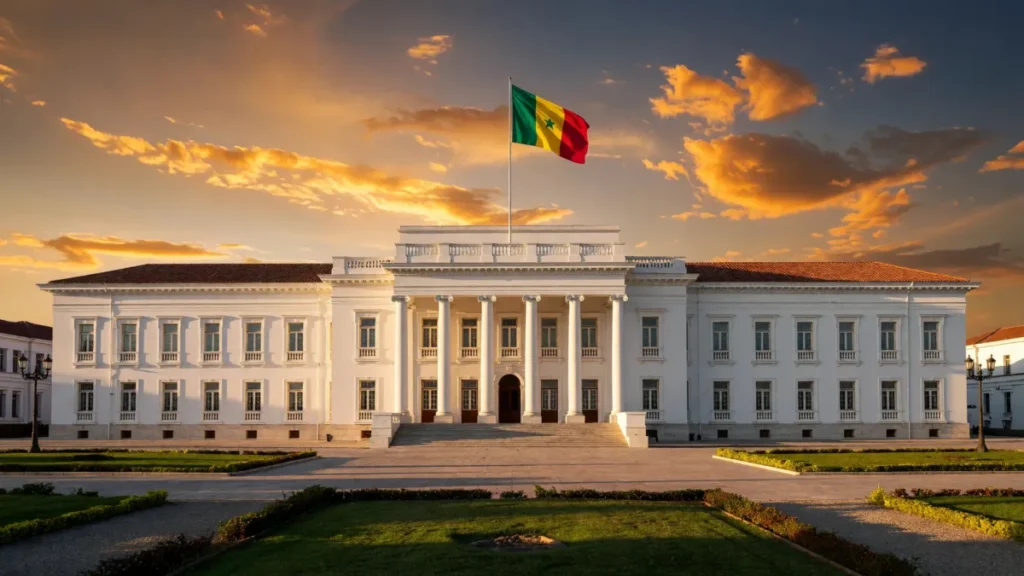
Senegal has fully mobilized its diplomatic machinery to support former President Macky Sall’s candidacy for the United Nations Secretary-General position. The decision, announced by the Ministry of Foreign Affairs, was formalized on July 20, 2026, just three days after a high-level meeting between Sall and his successor, Bassirou Diomaye Faye, at the Republic Palace in Dakar.
Diplomatic reversal signals new direction
This endorsement marks a significant departure from Senegal’s stance in late March 2026. At that time, Dakar joined nearly two dozen African Union member states in opposing Sall’s bid, which was initially championed by Burundi under the AU’s rotating presidency.
The July 17 meeting between the two leaders helped resolve lingering reservations. An official statement confirmed that the discussion unfolded in a calm atmosphere, despite the political tensions that have characterized Senegal’s leadership transition since the March 2024 elections.
Intense global competition for top UN role
Macky Sall faces three formidable rivals in the race to replace António Guterres, whose term concludes on December 31, 2026. The competition includes Michelle Bachelet, former President of Chile and ex-United Nations High Commissioner for Human Rights; Rafael Grossi, Director-General of the International Atomic Energy Agency; and Rebecca Grynspan, Secretary-General of the United Nations Conference on Trade and Development.
The endorsement from Senegal provides Sall with a critical advantage, leveraging the country’s established diplomatic network worldwide. The Ministry of Foreign Affairs has pledged full government and international mission engagement to advance his candidacy.
Senegal’s political landscape shifts
This move comes amid ongoing political adjustments following Senegal’s 2024 transition. Bassirou Diomaye Faye, elected in March 2024 with strong backing from the Pastef party, had campaigned on a platform of breaking from Sall’s governance. Sensitive issues, including accountability requests from victims of repression under the previous administration, remain unresolved.
Nevertheless, some observers view the endorsement as a pragmatic step toward national unity. The decision may help Faye consolidate a broader political coalition, transcending traditional partisan divides.
With a population of 18 million and a founding member of key regional bodies like ECOWAS—where Faye currently serves as Chair of the Heads of State Conference—Senegal holds considerable influence in West African diplomacy. Dakar’s support could sway undecided African capitals in Sall’s favor.
Regional lobbying intensifies
Following Dakar’s endorsement, Sall traveled to Banjul on July 17 for talks with Gambian President Adama Barrow. This regional outreach reflects a broader strategy to secure backing from African heads of state ahead of the UN Security Council vote.
The selection of the next Secretary-General will hinge on consensus-building within the UN Security Council, where permanent members hold veto power. Sall’s ability to unite African nations behind his candidacy will be pivotal in countering competing regional blocs.
More Stories
Niger’s leader faces rift with special forces after Russian involvement
Crise au Niger, accord FMI-Sénégal, bataille électorale au Maroc… Les 5 infos qu’il ne fallait pas manquer
Ten years after the raid on Jean Ping’s headquarters, victims in Gabon still demand justice