Boureima Amadou
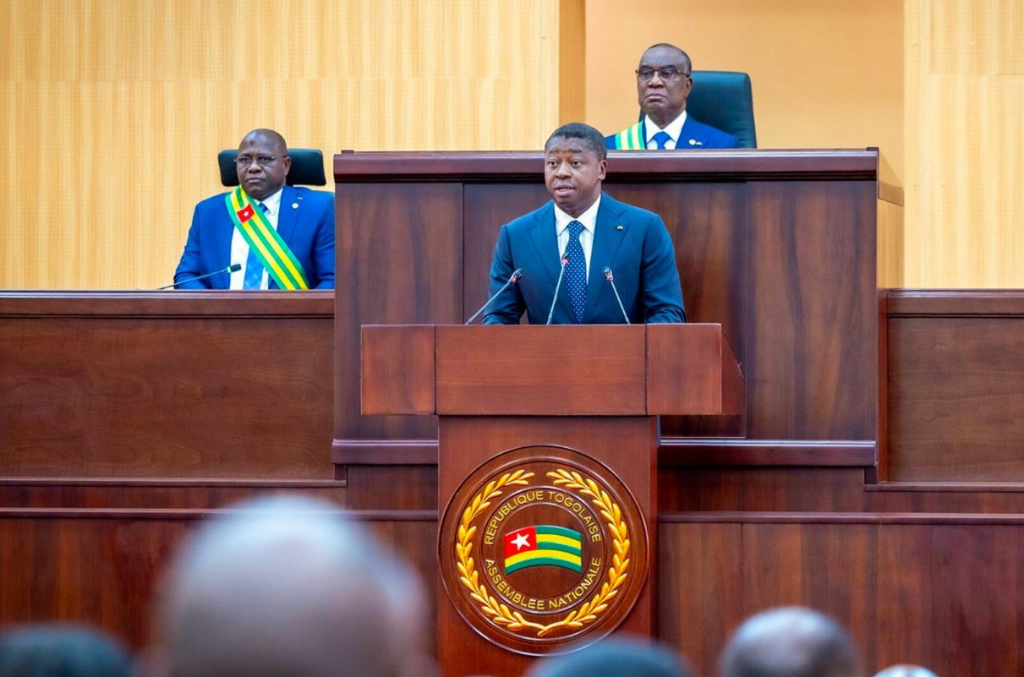
The West African regional bloc has reignited pressure on Togo’s government, demanding urgent clarity on the implementation of a controversial constitutional reform—a move that marks a critical juncture in the country’s democratic trajectory. Nearly a year after a landmark ruling by the ECOWAS Court of Justice, Lomé faces renewed scrutiny over its commitment to regional democratic standards and the consolidation of executive power under President Faure Gnassingbé.
Regional tribunal delivers decisive call for accountability
In a formal correspondence dated October 23, 2026, addressed to Togo’s Minister of Justice, the interim Chief Registrar of the ECOWAS Court of Justice, Dr. Ousmane Diallo, issued a formal request for detailed information on measures taken to enforce the court’s January 29, 2026 judgment. The ruling, delivered in case ECW/CCJ/JUD/01/26, found Togo in violation of Article 23 of the African Charter on Democracy, Elections, and Governance, citing failures in aligning constitutional reforms with international democratic obligations.
The case emerged from a legal challenge brought by the Togolese Human Rights League (LTDH) and twelve other plaintiffs against the Togolese state, forcing a confrontation between national sovereignty and regional judicial authority. While the court stopped short of annulling the 2024 Constitution, it emphasized that future institutional reforms must comply with democratic norms—a clear warning to Lomé over the legitimacy of its governance model.
The 2024 constitutional shift: reform or power retention?
The watershed moment came on March 25, 2024, when Togo’s National Assembly adopted a sweeping constitutional overhaul. The reform dismantled the presidential system, replacing it with a parliamentary framework in which executive authority was transferred to a newly created post: President of the Council of Ministers. On paper, the change appeared transformative, yet critics argue it served as a strategic maneuver to preserve Faure Gnassingbé’s grip on power after nearly two decades in office—a legacy rooted in the 1967 political dynasty.
The crux of the controversy lies in the designation mechanism for the new head of government. Under the revised Constitution, the President of the Council is selected based on parliamentary majority, effectively allowing the sitting president to retain executive control without facing another direct presidential election. This institutional sleight of hand, opponents contend, democratizes the appearance of governance while centralizing real authority in a single individual.
By May 3, 2025, Faure Gnassingbé had assumed the new role, prompting accusations that the reform was less about institutional modernization and more about sustaining political dominance. The ECOWAS Court’s ruling now exposes this strategy to regional scrutiny, questioning whether Togo’s constitutional path aligns with its stated democratic commitments.
ECOWAS pressure tests Togo’s democratic resolve
The regional tribunal’s decision underscored Togo’s non-compliance with core democratic principles, particularly regarding checks and balances and the separation of powers. While the court refrained from invalidating the 2024 Constitution, its injunction for future reforms to adhere to international standards presents a legal and political challenge for Lomé. The October 2026 follow-up correspondence invokes Article 24(2) of the Court’s Additional Act, compelling Togo’s government to explain how it plans to address these obligations.
This legal pressure comes at a time when Togo’s democratic credentials are increasingly scrutinized within the West African bloc. As neighboring nations grapple with military transitions and contested governance models, Lomé’s constitutional experiment risks becoming a symbol of institutional fragility—or resilience—against the tide of authoritarian drift sweeping the Sahel.
Diplomatic pivot raises regional eyebrows
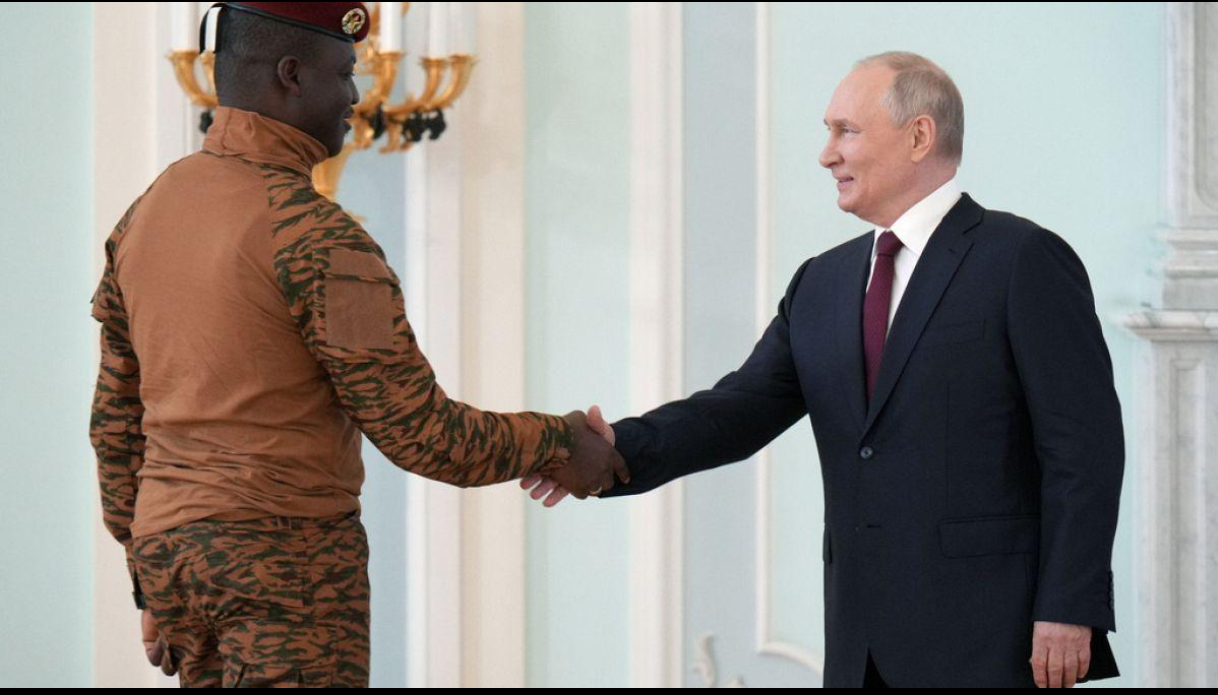
Beyond the courtroom, Togo’s evolving foreign policy is fueling speculation about its alignment with the Alliance of Sahel States (AES)—Mali, Burkina Faso, and Niger. These three nations, governed by military juntas since recent coups, have championed sovereignty, anti-Western rhetoric, and resistance to regional institutional frameworks like ECOWAS. Despite their divergent paths to power, all share a common thread: the consolidation of authority and the erosion of democratic safeguards.
Togo’s rapprochement with the AES gained momentum in early 2025, when Foreign Minister Robert Dussey publicly floated the possibility of joining the alliance. By April 2026, Lomé unveiled a new cooperation strategy with Sahelian states, emphasizing political dialogue, security collaboration, and economic integration. While officials frame this shift as a bid to stabilize the region, critics warn it may signal a broader realignment away from ECOWAS principles.
This diplomatic balancing act presents a paradox: Togo remains a member of ECOWAS yet cultivates ties with governments that have openly defied the bloc’s norms. The convergence in governance philosophies—centralized power, restricted political space, and weakened oversight—raises questions about Lomé’s long-term commitment to regional democratic governance.
Faure Gnassingbé at a crossroads
The ECOWAS Court’s renewed demand for accountability places Faure Gnassingbé’s administration at a defining moment. The government’s response will not only determine Togo’s standing within the regional bloc but also shape perceptions of its democratic trajectory amid a broader crisis of institutional trust in West Africa.
While the court did not strike down the 2024 Constitution, its ruling highlights unresolved tensions: Is this a genuine reform process or a calculated effort to perpetuate one-party dominance under a new guise? The answer will hinge on whether Togo uses this regional intervention as an opportunity to reinforce democratic institutions or doubles down on a model that continues to provoke skepticism among civil society and opposition forces.
As West Africa navigates a period of political upheaval, with military regimes reshaping regional alliances and democratic norms under strain, Togo’s next moves could either restore confidence in its institutions or further entrench its reputation as a country where constitutional change serves power preservation over pluralism.
What’s next for Togo’s constitutional experiment?
- Legal reckoning: The government must submit a detailed response to the ECOWAS Court by the specified deadline, outlining concrete steps to align future reforms with democratic standards.
- Regional diplomacy: Togo’s evolving stance toward the AES will be closely watched, particularly as it navigates its dual membership in ECOWAS and burgeoning ties with non-democratic regional actors.
- Domestic pressure: Civil society groups and opposition parties are likely to intensify calls for transparency, potentially mobilizing public opinion against what they view as an institutionalized power grab.
- ECOWAS credibility test: The bloc’s response to Togo’s compliance—or lack thereof—will serve as a litmus test for its ability to enforce democratic governance across member states in an era of shifting alliances.

 Mariama Hamani