
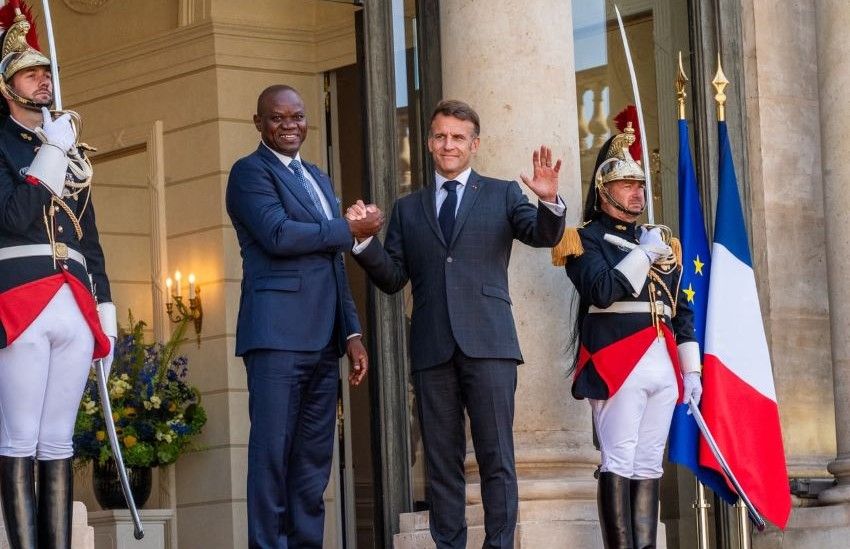
Gabon’s president receives top honors during Paris visit
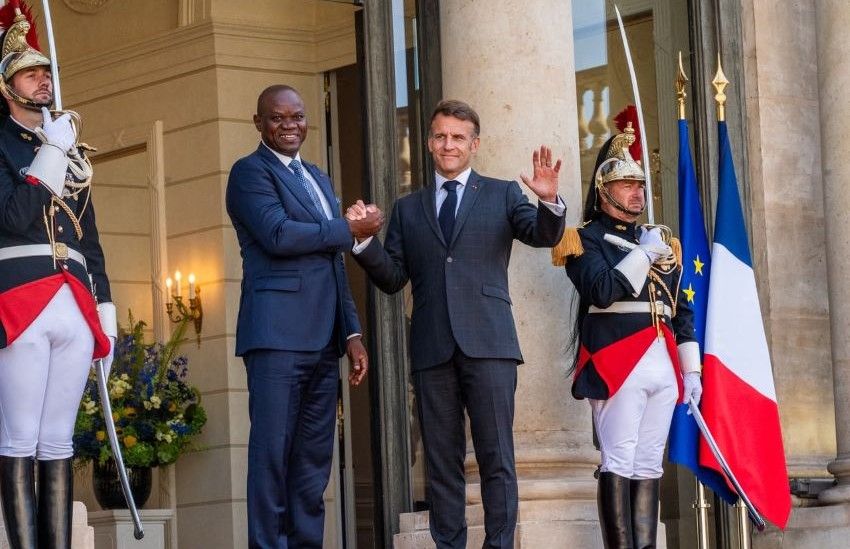
Paris, July 21, 2026 — Diplomatic protocol speaks volumes when a nation accords its highest honors to a visiting foreign leader. The decision by France to welcome Gabonese President Brice Clotaire Oligui Nguema with full state visit honors was far more than a courteous gesture. It marked the official inauguration of a renewed chapter in Franco-Gabonese relations at a time when Africa’s diplomatic landscape is undergoing significant shifts.
This state visit holds particular historical significance. Not only is it the first official trip abroad for President Oligui Nguema since assuming office, but it’s also the first state visit granted to a Gabonese president since Omar Bongo Ondimba’s historic visit in October 1984. Through this exceptional protocol, both capitals are signaling their commitment to rebuilding a partnership based on mutual respect, shared sovereignty, and a fresh vision for cooperation.
Protocol as a diplomatic statement
The July 20th program was meticulously designed to showcase the most prestigious elements of French republican tradition. At Les Invalides, a site steeped in military heritage, President Oligui Nguema received full military honors before reviewing the troops—a privilege reserved exclusively for heads of state on state visits.
The presidential motorcade then traversed Paris under the escort of twenty-five motorcycle outriders and 128 Republican Guard cavalrymen. This ceremonial formation, rarely mobilized for foreign dignitaries, represents one of the highest protocol distinctions the French Republic can bestow.
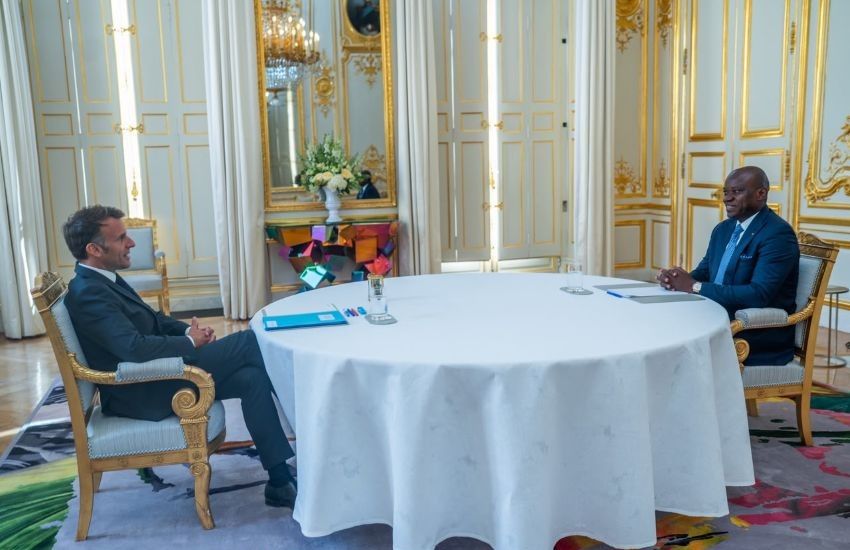
Upon his arrival at the Élysée Palace, President Oligui Nguema was greeted by French President Emmanuel Macron. The two leaders exchanged warm handshakes before engaging in several hours of discussions focused on strengthening strategic relations between their nations.
While the ceremony’s grandeur commands attention, its true significance lies in the diplomatic message it conveys. In international relations, symbolism often precedes concrete political action. By extending this level of hospitality to Gabon’s president, France is acknowledging Libreville’s growing importance in its African policy framework.
A partnership entering a new phase
For years, cooperation between the two countries has been gradually shifting from historical ties toward a model centered on investment, industrialization, infrastructure development, security, and energy transition.
This visit coincides with both governments’ desire to frame their relationship within a co-development logic. The discussions held at the Élysée Palace covered several key files that will redefine the contours of this renewed partnership.
For Gabon, this diplomatic sequence aligns with authorities’ transformation strategy aimed at enhancing economic sovereignty, developing local processing of natural resources, modernizing infrastructure, and sustainably improving living conditions for its people.
For France, this rapprochement also reflects its commitment to building a new generation of African partnerships grounded in productive investment, skills transfer, and reciprocal benefits.
A signal with continental implications
The importance of this visit extends beyond the Franco-Gabonese framework. In today’s international environment marked by intensifying competition among global powers across the African continent, every diplomatic gesture is scrutinized carefully.
The honors bestowed upon President Brice Clotaire Oligui Nguema thus reflect growing international recognition of Gabon’s role as a stable partner in Central Africa and an active participant in the continent’s new development dynamics.
Beyond the splendor of uniforms, Republican Guard horses, and the Élysée’s prestige, this visit serves as a reminder that in diplomacy, symbols carry weight. They often herald the political orientations of tomorrow.
By reviving the highest levels of French republican protocol, Paris and Libreville are sending a clear signal. Their relationship is now entering a new phase where strategic dialogue, shared economic interests, and pursuit of tangible results definitively take precedence over historical legacies alone.

More Stories
Niger’s leader faces rift with special forces after Russian involvement
Crise au Niger, accord FMI-Sénégal, bataille électorale au Maroc… Les 5 infos qu’il ne fallait pas manquer
Ten years after the raid on Jean Ping’s headquarters, victims in Gabon still demand justice