Boureima Amadou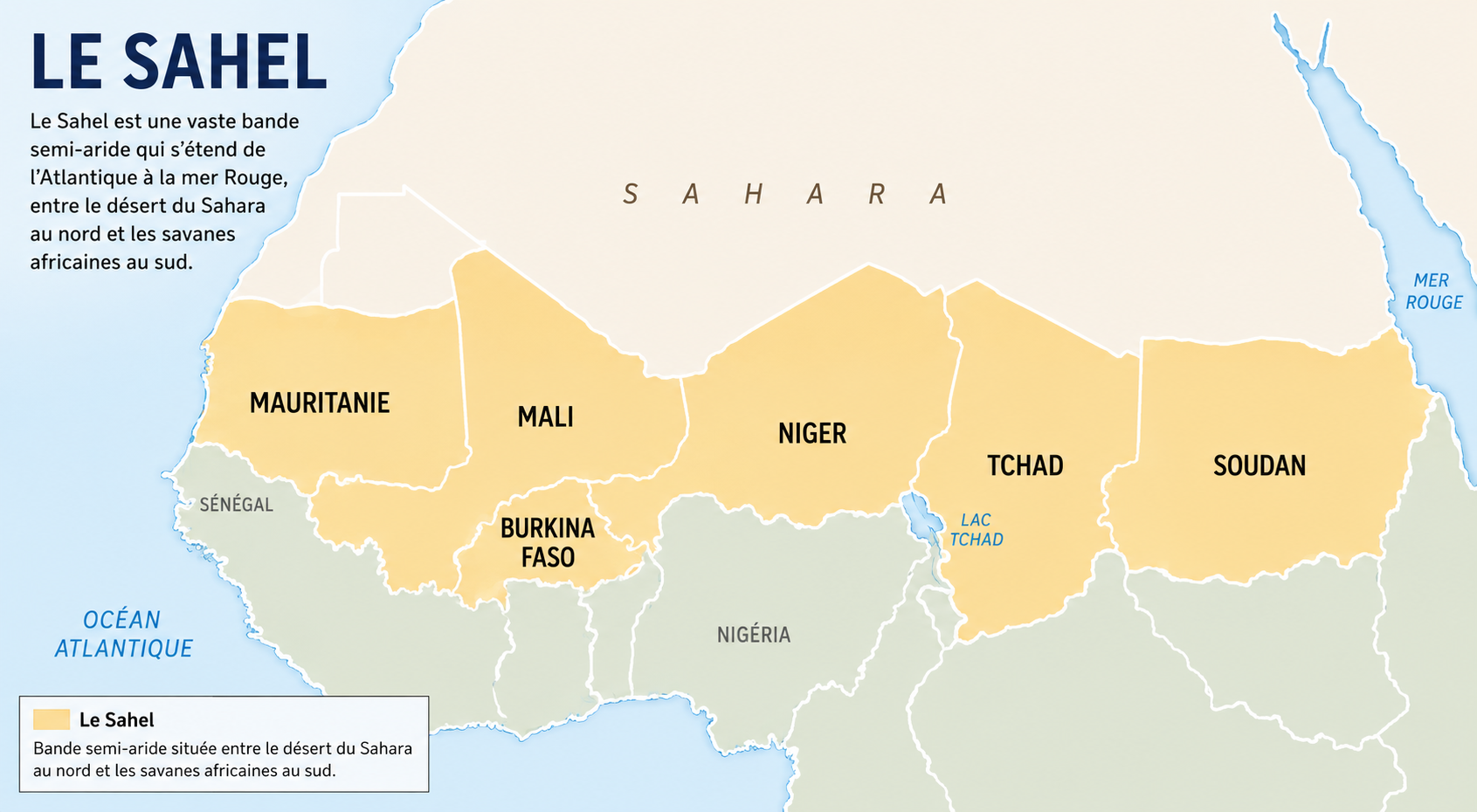
Over 24 million people in the Sahel require urgent humanitarian assistance as crises converge
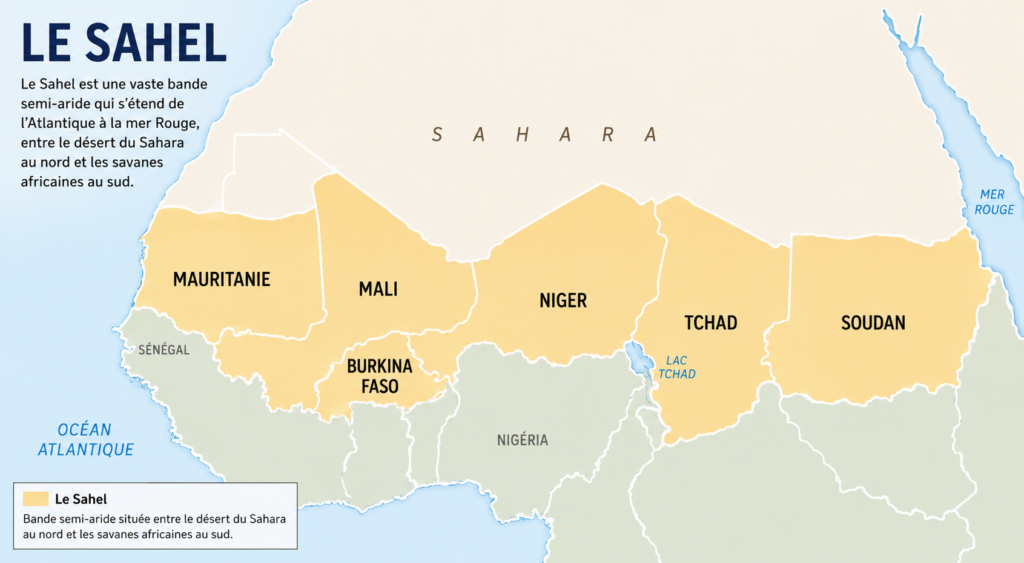
The Sahel region is grappling with one of the world’s most severe yet overlooked humanitarian emergencies. As global attention remains fixated on conflicts elsewhere, more than 24 million people across Mauritania, Mali, Burkina Faso, Niger and Chad are facing an escalating crisis fueled by multiple, intersecting challenges.
According to the latest assessments, nearly 15.5 million individuals could slip into food insecurity between June and August—the critical pre-harvest period. Among them, over 1.5 million are at risk of reaching emergency levels, requiring immediate intervention to prevent catastrophic outcomes.
The human toll is stark: families cutting meals short, farmers unable to afford seeds or fertilizers, children losing access to education, and entire communities displaced by relentless violence. The situation reflects a region pushed to the brink by conflict, displacement, economic strain, climate shocks and extreme food shortages.
International aid dwindles amid rising needs
Humanitarian agencies warn that funding shortfalls are reaching alarming levels. In 2025, only 29% of the required resources for Sahel operations were mobilized—a historic low that has forced cutbacks in critical programs, including food assistance, healthcare and child protection services.
The consequences are immediate and severe. Reduced aid means less food on tables, fewer safe spaces for women and children, and diminished access to life-saving medical care. The ripple effects of global instability—particularly in energy and transport sectors—have further driven up the cost of essential goods, placing additional strain on vulnerable households already struggling to survive.
Security vacuum fuels displacement and instability
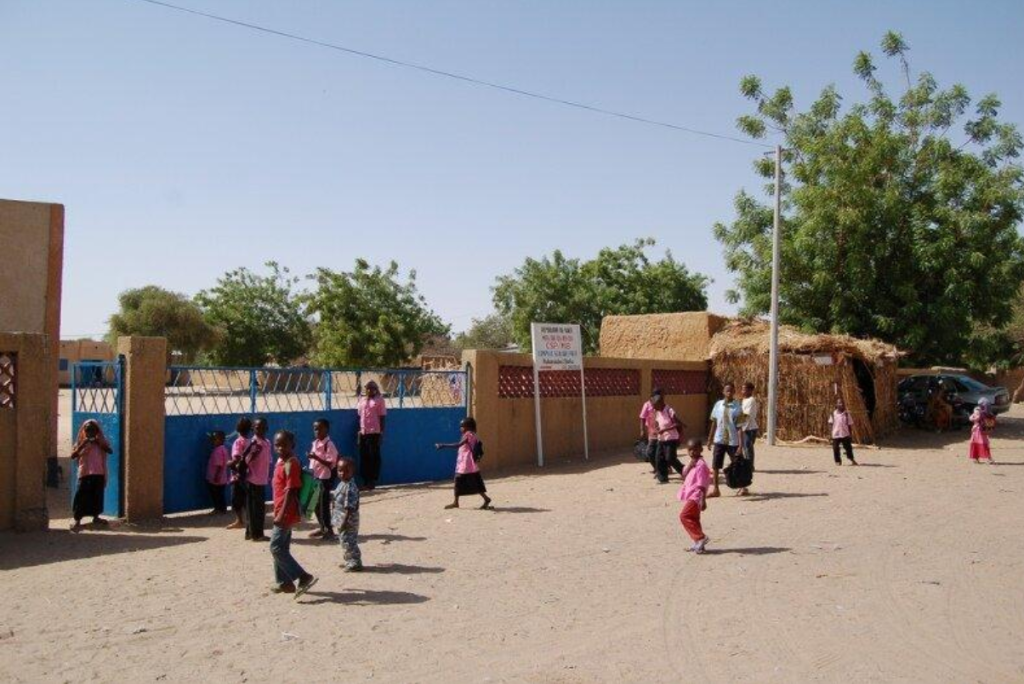
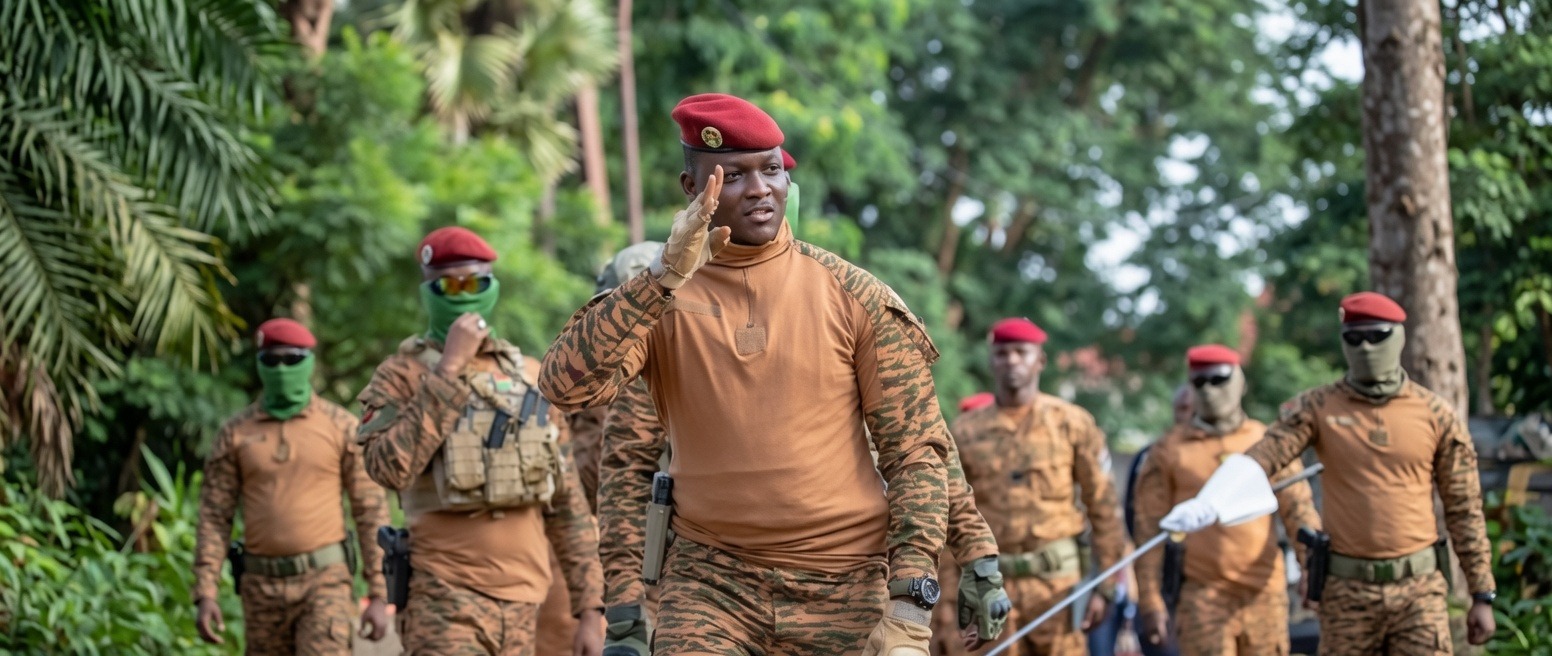
The humanitarian emergency is deepened by a rapidly deteriorating security landscape. Violence, once concentrated in central Sahel, is now spreading toward coastal West African nations. Armed groups continue to expand their foothold, displacing communities and shutting down vital services. Nearly 12,900 schools have closed, cutting off education for over 2.3 million children—a loss that threatens to shape a generation of youth without opportunity or hope.
Humanitarian experts emphasize that the closure of schools is not just an immediate crisis but a long-term threat. In regions where economic prospects are already bleak, the absence of education makes young people more susceptible to recruitment by armed factions, perpetuating cycles of instability.
Climate change intensifies the crisis
The Sahel, one of the planet’s most climate-vulnerable regions, is experiencing increasingly erratic weather patterns. Since the start of the year, nearly 590,000 people have been affected by severe flooding, while prolonged droughts and creeping desertification are shrinking arable land and water resources. Despite contributing minimally to global emissions, the Sahel bears the brunt of climate change’s most destructive impacts.
Humanitarian leaders stress that the window to prevent further deterioration is closing rapidly. While solutions exist—targeted aid, resilient agricultural programs, expanded education access—without urgent and sustained financial support, the humanitarian catastrophe in the Sahel will deepen, with millions more families pushed into extreme poverty and desperation.


 Mariama Hamani