Boureima Amadou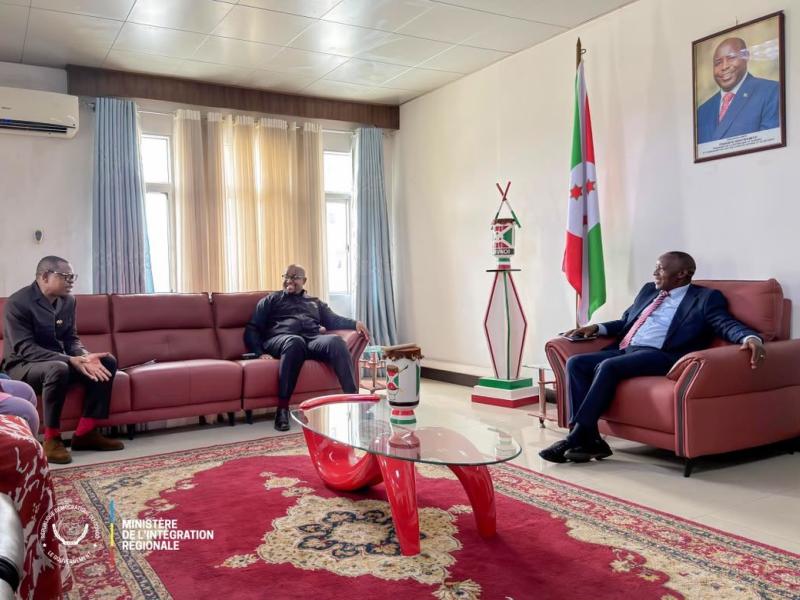
DRC eastern crisis: Burundi urges stronger international intervention amid persistent violence
- Security
As current Chair of the African Union and a witness to the signing of the Washington Peace Agreement between Félix Tshisekedi of the DRC and Paul Kagame of Rwanda—attended by former U.S. President Donald Trump—the Burundian government expresses deep concern over the accord’s stalled implementation. Despite initial returns of displaced Congolese, violence persists in eastern DRC, particularly in areas controlled by the M23 rebellion, widely accused of receiving Rwandan support.
During a high-level meeting in Bujumbura on June 1, Burundian Foreign Minister Édouard Bizimana met with his Congolese counterpart, Floribert Anzuluni, to address regional security challenges. The Burundian official emphasized that while some progress has allowed refugees to return home, ongoing insecurity continues to displace civilians, forcing many to flee across borders. He called for a renewed and robust commitment from the international community to uphold regional peace initiatives.
In a joint statement, both ministers reaffirmed the strong bilateral ties between Burundi and the DRC, highlighting cooperation on critical issues beyond security. Key topics included the allocation of land for Burundi’s upcoming embassy in Kinshasa, coordination within the International Conference on the Great Lakes Region (ICGLR), and preparations for the upcoming ICGLR summit, currently under Congolese leadership.
Minister Anzuluni praised Burundi’s diplomatic leadership, particularly its role in mobilizing humanitarian aid for Congolese refugees in Burundi. He also noted that a Troika meeting is being organized to assess regional security and review member states’ financial contributions to the ICGLR.
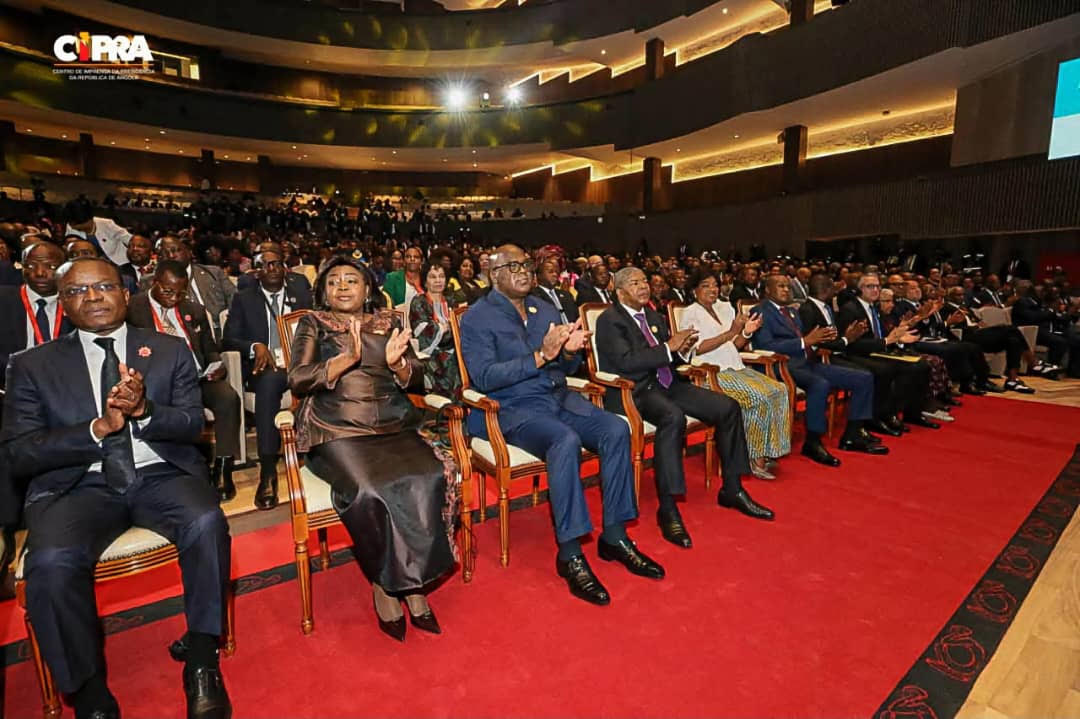
For his part, Foreign Minister Bizimana reiterated Burundi’s dedication to silencing weapons across Africa—a priority set by President Évariste Ndayishimiye during his acceptance speech as AU Chair, succeeding Angola’s João Lourenço. He stressed that Burundi remains fully engaged in continental peace efforts.
In the Great Lakes region, Burundi and the DRC share a strategic defense partnership established in March 2023. Facing escalating insecurity in eastern DRC and what Kinshasa describes as Rwandan-backed aggression through the M23 rebellion, Bujumbura has deployed thousands of troops to support the Congolese army (FARDC) and secure the shared border. This military alliance strengthens regional stability through multiple cooperation frameworks.
Since the Montreux Joint Communiqué in Switzerland (April 13–17, 2026)—facilitated by the U.S., Qatar, and Togo as AU mediator—and earlier rounds in Doha, accusations of ceasefire violations and non-compliance with agreements have persisted. The Washington Process, despite multiple meetings, has similarly failed to yield tangible results, as parties interpret its terms differently, stalling implementation.
This diplomatic deadlock, observed by key mediators including the U.S. and Qatar, continues to exacerbate insecurity in eastern DRC, where fighting rages on. Without decisive action, the humanitarian crisis risks worsening, with civilians bearing the brunt of unchecked violence.


 Mariama Hamani