Boureima Amadou
Gabon and Guinea’s administration revolution: a strategic breakthrough in public sector transformation
Libreville, November 6, 2026 — In a landmark move, Gabon and Guinea have launched a strategic partnership to revolutionize their public administrations. With a shared vision of digital innovation, streamlined bureaucracies, and enhanced workforce capabilities, these two nations are positioning their governance models for a new era of efficiency and transparency.
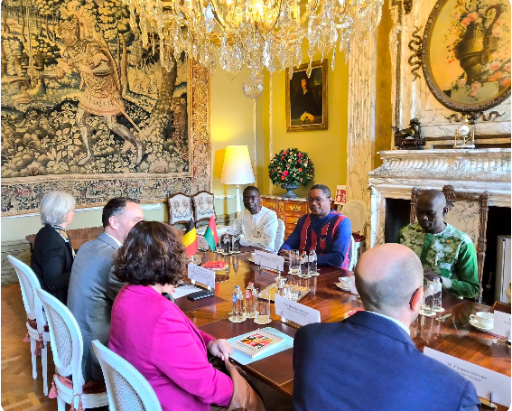
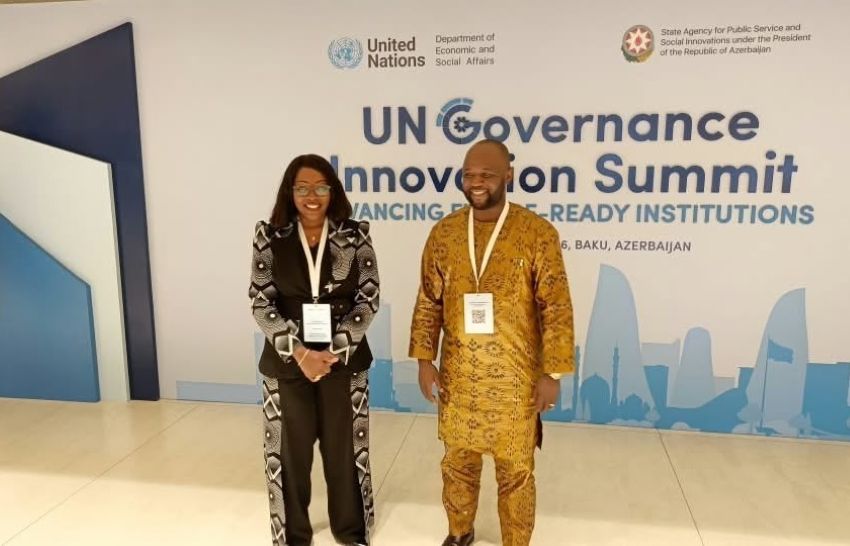
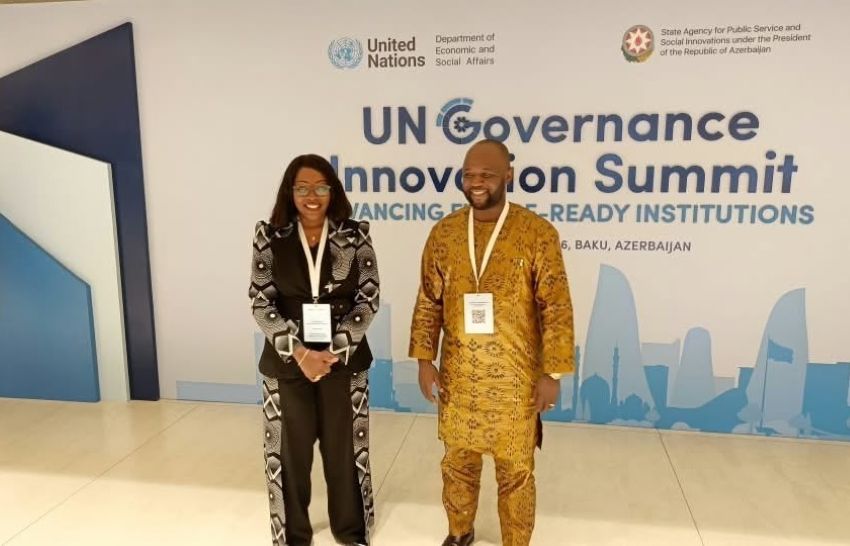
Reforms in public administration are no longer optional—they are essential for governments to meet citizen demands for speed, reliability, and accountability. This was the core message during a high-level meeting in Baku, Azerbaijan, where Gabon’s Minister of Public Service and Capacity Building, Laurence Ndong, and Guinea’s Minister of Public Administration Modernization, François Bourouno Faya, convened on the sidelines of the United Nations Innovation Governance Summit.
The urgency driving this collaboration reflects pressing challenges—rising public expectations for service quality, inefficiencies in bureaucratic processes, and the need to align with global digital governance standards. With citizens increasingly demanding responsive governance, both countries recognize that robust administrative reform is critical to national progress.
Key reform areas driving change
The ministers outlined a multi-pronged approach to modernize their administrations, focusing on:
- Digital transformation — Implementing e-governance platforms to reduce manual processing and improve service delivery
- Human resource optimization — Developing integrated HR management systems, career path frameworks, and digital archiving
- Streamlined service delivery — Introducing single-window service centers to cut red tape and improve accessibility
- Retirement & pension management — Modernizing systems to ensure timely, accurate benefits for civil servants
- Cross-national knowledge exchange — Planned reciprocal study visits to share best practices between Libreville and Conakry
Gabon, under Laurence Ndong, has already made significant strides through the deployment of the Integrated Human Resources Management System (SIGRH), digital archiving, and a complete overhaul of the civil service structure. These measures aim to enhance operational oversight, reduce inefficiencies, and create a data-driven administration.
François Bourouno Faya highlighted Guinea’s commitment to digitalizing public services, noting that technology is not just a tool but a fundamental reimagining of how government operates. By integrating secure data systems and user-friendly platforms, the country aims to build trust with citizens and foster a proactive, responsive state.
Why this collaboration matters
This initiative is more than a bilateral agreement—it signals a broader shift across Africa toward governance models that prioritize transparency, accountability, and measurable impact. As both nations advance their reforms, they are setting a regional benchmark for what effective public sector transformation can achieve.
The success of this partnership will be measured in tangible outcomes: faster service delivery, reduced corruption, improved public trust, and a stronger foundation for economic growth. With African governments under global scrutiny for governance performance, Gabon and Guinea are seizing the moment to turn vision into reality—not gradually, but decisively.