Mariama Hamani
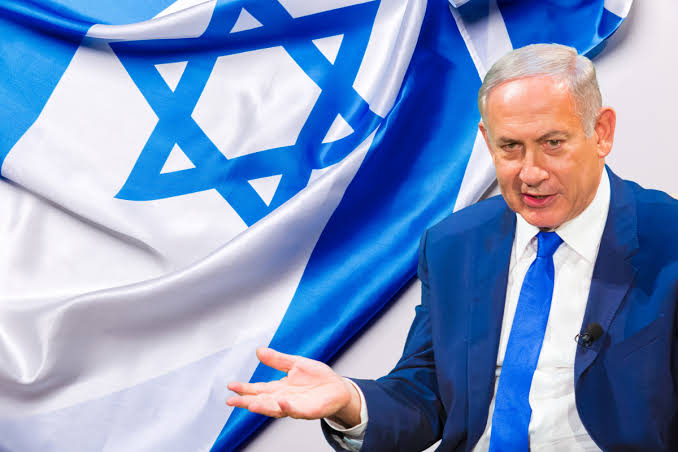
Israel stands at a critical juncture as the political landscape undergoes a seismic transformation following its most consequential legislative elections in recent memory. The once-dominant coalition led by Prime Minister Benjamin Netanyahu has suffered an unprecedented setback, losing its absolute majority in the Knesset and plunging the nation into uncharted institutional territory.
From dominance to defeat: The numbers don’t lie
The final results, certified by the Central Election Commission, reveal a dramatic reversal of fortune for the right-wing bloc and its ultra-nationalist and religious allies. Instead of the 61-seat threshold required to govern effectively, Netanyahu’s Likud coalition fell significantly short, its mandate evaporating under the weight of voter dissatisfaction and shifting political winds.
- Coalition collapse: The outgoing government no longer commands the majority needed to pass legislation or advance its agenda, marking the first time in Israel’s modern history that a sitting prime minister has lost parliamentary control through the ballot box.
- Opposition surge: The centrist alliance, spearheaded by figures like Gadi Eisenkot and Yair Lapid, capitalized on public discontent to expand its parliamentary presence, further eroding Netanyahu’s political capital.
- Arab parties’ pivotal role: The unprecedented voter turnout in Arab communities translated into historic gains for minority parties, denying Netanyahu’s bloc the critical votes needed to maintain its grip on power.
Netanyahu’s fiery response: Democracy under siege?
In the wake of the electoral earthquake, Prime Minister Netanyahu has launched a vociferous campaign to challenge the legitimacy of the results. Alleging widespread irregularities—particularly in precincts with high Arab voter participation—he has questioned the integrity of thousands of ballots, suggesting a coordinated effort to undermine his leadership.
The opposition has reacted with vehemence, accusing Netanyahu of attempting to subvert democratic norms. “Challenging the will of the people when the results don’t favor you amounts to an attempted coup against Israel’s democratic institutions,” declared a leading centrist lawmaker, framing the premier’s actions as a direct threat to the nation’s stability.
A nation on the brink: What lies ahead?
Despite the Central Election Commission’s unequivocal reaffirmation of the vote’s integrity, the absence of a clear majority has left Israel in a state of political limbo. The fractured Knesset presents two daunting paths forward:
- Fragile coalition talks: Desperate negotiations could yield a patchwork government—one likely to be unstable and short-lived—unable to address Israel’s pressing challenges, from security to economic recovery.
- Risk of a rerun: With public patience wearing thin after years of political turmoil, the specter of another election looms large, threatening to plunge the nation deeper into uncertainty.
The stakes could not be higher. As Israel grapples with this historic turning point, the world watches closely—will the country navigate this crisis with resilience, or will the foundations of its democracy be tested like never before?