Boureima Amadou
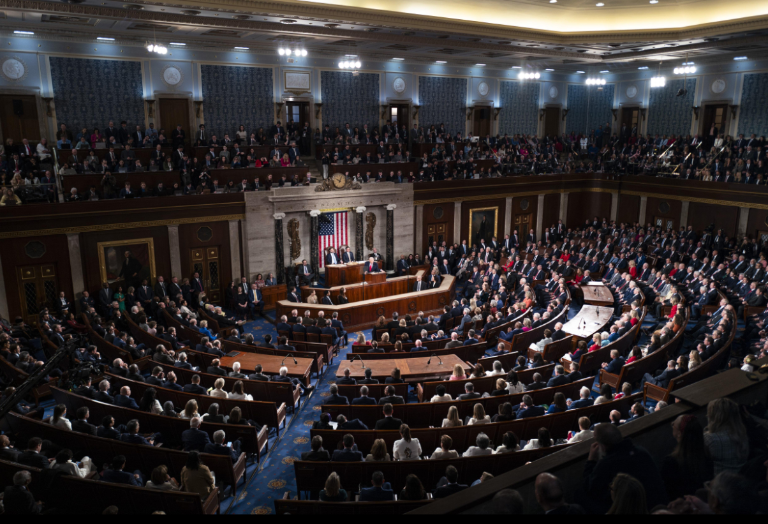
November 4, 2026—The midterm elections have delivered a seismic shock to Washington’s power structures. Democrats have seized control of both chambers of Congress, handing Donald Trump his most significant political setback in years. With his second term at the White House nearing its midpoint, the president now faces a congressional opposition determined to reshape America’s global posture—and the fallout could redefine international alliances.
Congress Gains New Levers To Challenge Trump’s Diplomatic Agenda
For the past two years, Trump’s foreign policy has operated with minimal congressional oversight, thanks to Republican majorities in both the House and Senate. That era is over. Come January 2027, Democrats will wield unprecedented influence over U.S. diplomacy through budgetary control, investigative hearings, and the potential to block key diplomatic appointments.
The president retains sweeping executive authority—including veto powers and sole command of the military—but the new congressional dynamic introduces a critical obstacle. Every foreign policy move Trump makes will now face heightened scrutiny, delay, or outright obstruction. The result? A diplomatic strategy increasingly hamstrung by domestic political battles.
The Iran Conflict: A Litmus Test For Congressional Power
Nowhere is this shift more evident than in the escalating conflict with Iran. Launched in February 2026 without prior congressional approval, the military campaign has sparked widespread public backlash. Democrats wasted no time signaling their intent to rein in Trump’s military spending, demand transparency, and—critically—limit funding for further escalation.
While Congress cannot unilaterally end the war, its ability to starve it of resources could force a reckoning. Allies and adversaries alike are watching closely: a weakened U.S. military posture abroad may embolden competitors—or force Trump into uneasy compromises. The question now is whether lawmakers can translate their newfound power into tangible constraints on presidential war-making.
Europe And Ukraine: A Glimmer Of Hope, Or False Dawn?
For Europe, the Democratic victory offers a rare moment of optimism. Under Trump, transatlantic relations had deteriorated under relentless pressure—from skepticism about NATO commitments to unpredictable trade disputes. The new Congress may push for renewed diplomatic engagement, stronger support for Ukraine, and a return to multilateral cooperation.
But caution is warranted. Trump’s authority over defense and diplomacy remains intact. Even with congressional allies, Europe cannot assume a seamless return to the pre-Trump status quo. The White House still holds the keys to critical decisions—and the president has shown little inclination to soften his confrontational approach.
Trade Wars And Economic Consequences
Trump’s tariff policies have strained relationships with allies and fueled inflation worldwide. Democrats have vowed to scrutinize these policies, with some aiming to restore congressional oversight over trade deals and tariff adjustments. Yet presidential trade powers remain formidable. Any major policy shift would require not just legislative action, but a fundamental reorientation in Trump’s economic nationalism—a shift that remains unlikely.
As global economies brace for uncertainty, the midterms may herald a more contentious trade environment. The question is no longer whether tensions will rise, but how deep the damage to U.S. economic leadership will go.
A Superpower Caught In Domestic Crossfire
These midterms mark more than a change in party control—they signal a turning point in America’s global standing. With a divided government and a shrinking margin for unchecked presidential action, U.S. foreign policy now faces a new fragility. Allies look on with cautious hope; adversaries with renewed ambition.
As Trump navigates the final stretch of his presidency, the real challenge isn’t just passing legislation—it’s maintaining America’s influence in a world that no longer takes its unity for granted. In 2028, the world will vote again—but in 2026, the voters have already spoken. And the consequences are reverberating across the globe.


 Mariama Hamani