Boureima Amadou
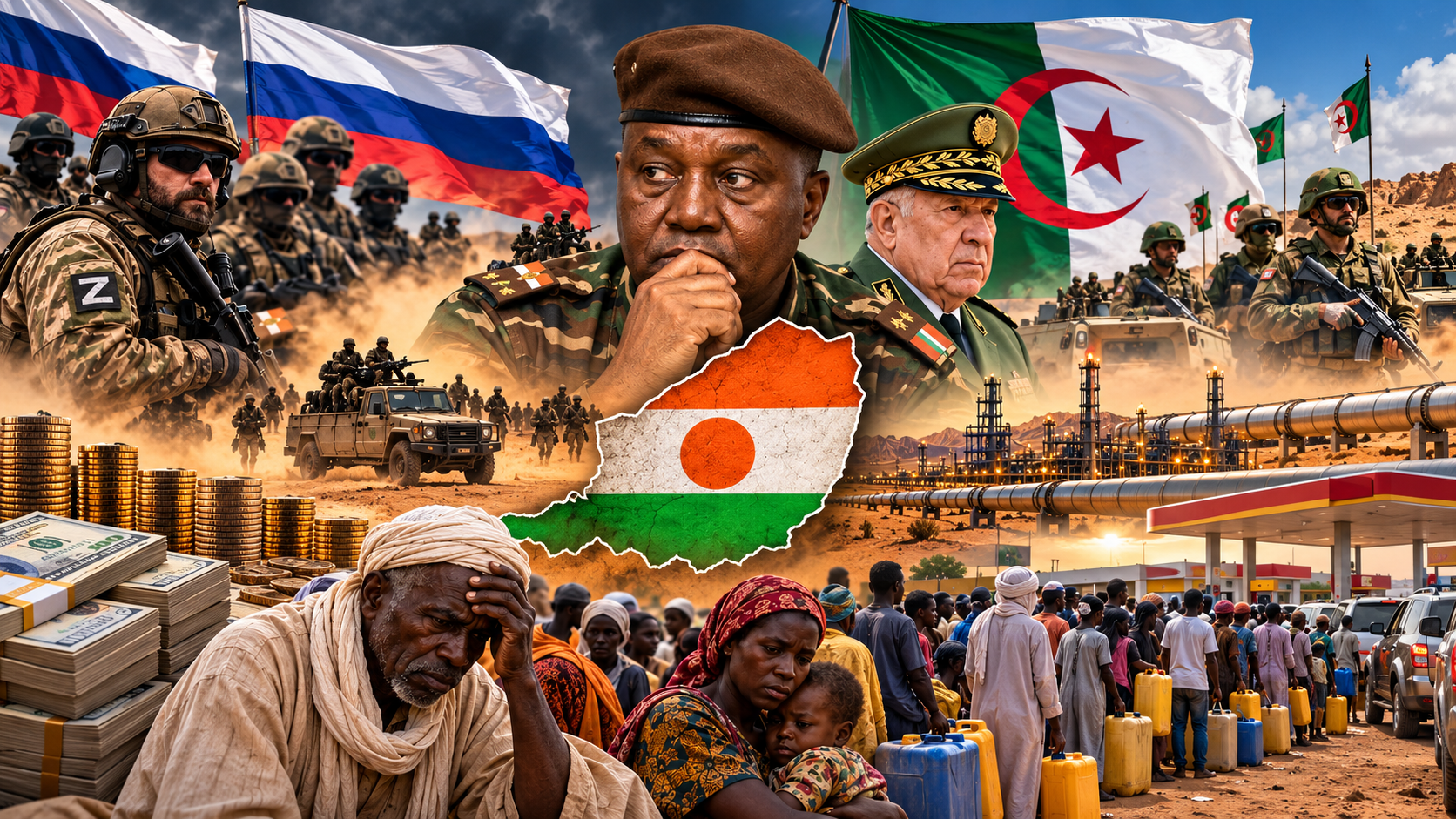
In a dramatic policy reversal, Niger’s military leadership under General Abdourahamane Tiani has abandoned exclusive reliance on Russian mercenaries, turning instead toward Algeria for critical military support. This strategic pivot, formalized by Algeria’s parliamentary approval in late 2026, signals a defining moment for the country’s security architecture and raises urgent questions about cost, accountability, and the true beneficiaries of this evolving alliance.
Algeria’s Military Deployment: A Historic Decision with Unclear Terms
The Algerian Parliament’s endorsement of troop deployment to Niger on October 25, 2026, represents a landmark departure from Algeria’s traditionally cautious foreign military involvement. While characterized as a response to shared security threats, the exact scope of the operation remains shrouded in ambiguity. Official statements emphasize the protection of strategic infrastructure and adherence to bilateral agreements, yet concrete operational details including troop numbers, mission parameters, and command structures have not been disclosed.
Why Niamey is Turning to Algeria After Betting on Russia
Since the July 2023 coup that brought General Tiani to power, Niger’s military partnership with Russia particularly through the Africa Corps has been central to its security doctrine. However, the persistent failure to curb insurgent violence and restore state authority across key regions has exposed critical gaps in this collaboration. Despite substantial financial outlays, public skepticism persists regarding the tangible benefits of foreign mercenary engagement.
Reports suggesting monthly costs of up to $10,000 per Russian contractor remain unverified due to the absence of transparent contractual documentation. Yet the broader financial burden weighs heavily on a nation already grappling with severe economic constraints. The government’s willingness to absorb these expenses without measurable improvement in security raises fundamental concerns about fiscal responsibility and strategic coherence.
Energy Interests Cloud Algeria’s Motivations in Niger
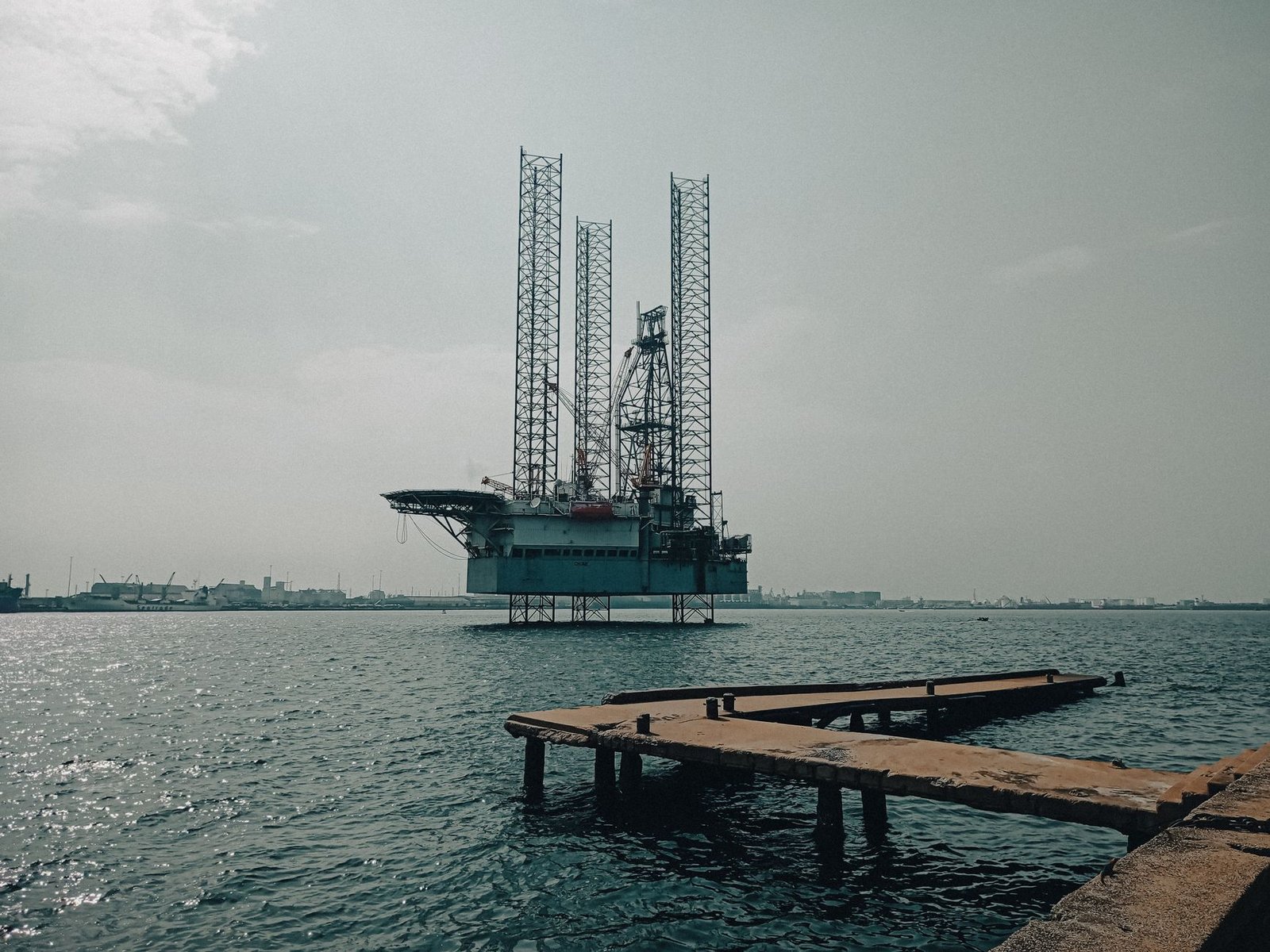
Beyond security cooperation, Algeria’s strategic interests in Niger’s energy sector cannot be overlooked. Key projects such as the trans-Saharan gas pipeline and oil exploration ventures represent vital economic considerations for both nations. While these shared objectives could theoretically align with Niger’s security needs, the potential for competing priorities looms large.
The central question remains: Is Algeria’s intervention primarily aimed at stabilizing Niger, protecting its own energy investments, or achieving both objectives simultaneously? Without clear operational benchmarks and publicly available agreements, citizens are left to speculate about the true drivers behind this military collaboration.
A Partnership Framed in Secrecy: What the Public Doesn’t Know
Transparency has been conspicuously absent from these unfolding developments. The opaque nature of negotiations between Niamey and Algiers leaves critical gaps in public understanding: Who will bear the financial burden of this cooperation? Will Algeria fund its own deployment, or will Niger’s strained budget absorb the costs? What operational control will remain in the hands of Nigerien forces?
The potential consequences are manifold. Increased defense spending could divert resources from education, healthcare, and infrastructure sectors that remain critically underfunded. Alternatively, financial dependencies may emerge, eroding Niger’s autonomy in future decision-making. The absence of concrete answers only amplifies concerns about the long-term implications of this military alignment.
From Rhetoric to Reality: The Test of Effective Security
General Tiani’s government has positioned sovereignty as the cornerstone of its legitimacy. Yet the successive reliance on foreign military partners first Russia, now Algeria challenges the coherence of this narrative. True sovereignty, as critics argue, is not measured by the number of international allies, but by the tangible security delivered to citizens.
The true benchmark for success will be visible improvements in public safety: fewer attacks on civilians, secure trade routes, restored government authority in vulnerable regions, and sustainable protection of critical infrastructure. Without these outcomes, any military partnership risks being perceived as a costly diversion from the government’s fundamental duty to its people.
Accountability Must Precede Commitment
For this new chapter to legitimize itself, the government must prioritize transparency above all. Full disclosure of negotiated terms, cost structures, and expected deliverables is non-negotiable. Citizens deserve to know whether Algeria’s involvement represents a strategic breakthrough or merely a temporary bandage on deeper systemic failures.
The path forward demands more than new alliances it requires a recommitment to results, accountability, and the protection of Nigerien lives above all else. As military cooperation with Algeria gains momentum, the ultimate measure of its success will be whether it translates into a safer future for the people it claims to serve.
By Boureima Amadou — Journalist