Mariama Hamani
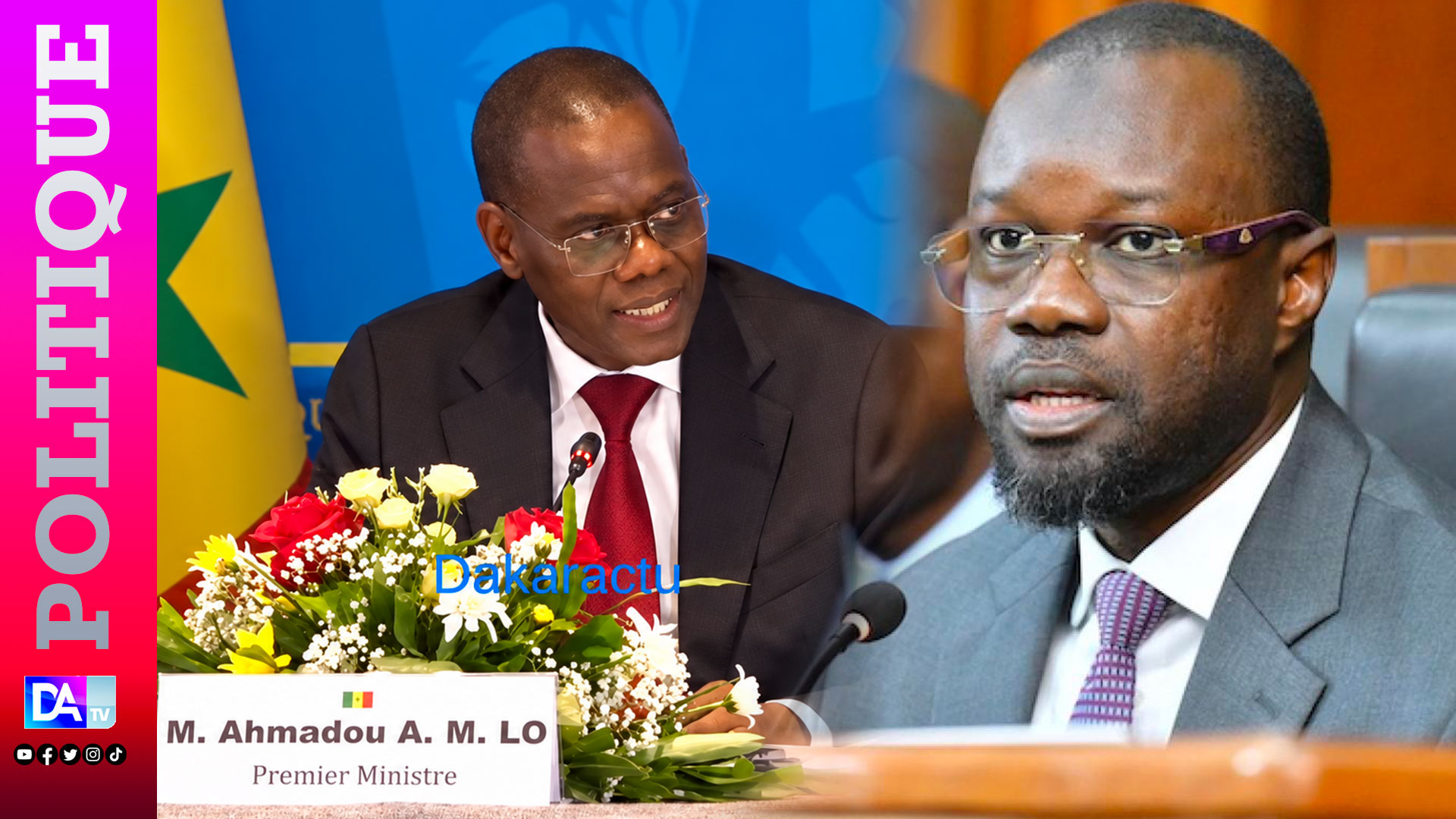
Prime Minister Lo addresses controversies over 2026 budget adjustments
In a press conference held Sunday, Senegal’s Prime Minister Al Aminou Lo firmly defended the 2026 rectified finance law (LFR), asserting it aligns with the initial finance law (LFI) presented before the National Assembly by former Prime Minister Ousmane Sonko. The adjustments, he argued, were necessary corrections to address economic pressures that emerged after the initial budget was approved with overwhelming support.
The Prime Minister highlighted significant revenue shortfalls and rising costs, particularly driven by surging energy prices, as key factors necessitating the revisions. While critics have questioned the timing and necessity of the changes, Lo countered by asking lawmakers to justify their objections, emphasizing that responsibility for the 2026 budget was collectively shared.
Energy price surge and revenue shortfalls behind fiscal revisions
Lo pointed to the sharp increase in energy prices since the approval of the initial budget as a primary driver of the revisions. The unexpected economic turbulence, he noted, had disrupted revenue streams and inflated operational costs. These challenges, he argued, were not foreseeable at the time the initial budget was drafted.
The government’s adjustments aim to realign public finances with the evolving economic landscape, ensuring essential services and development projects remain on track despite the pressures. Lo urged lawmakers to evaluate the changes based on their necessity rather than political posturing.
Political tensions flare as government responds to critics
Opposition figures, including several lawmakers, have criticized the revisions, questioning the government’s handling of the budget process. Lo dismissed these objections as unfounded, accusing critics of spreading misinformation. He called for a constructive dialogue, stressing that the revisions were pragmatic responses to real economic challenges.
The Prime Minister reiterated that the government remains committed to transparency and accountability, inviting lawmakers to engage in productive discussions rather than relying on conjecture.
Shared responsibility in budget formation
Lo emphasized that the responsibility for the 2026 budget was not solely on the current administration but was a shared effort from the outset. He pointed out that the initial finance law, which passed with strong support, laid the groundwork for the adjustments now deemed necessary.
The Prime Minister’s remarks reflect a broader effort to reconcile fiscal pragmatism with political realities, positioning the revisions as a necessary course correction rather than a deviation from the original plan.


 Boureima Amadou