Boureima Amadou
From shadow to spotlight: a testimony that could shift the Tigri case
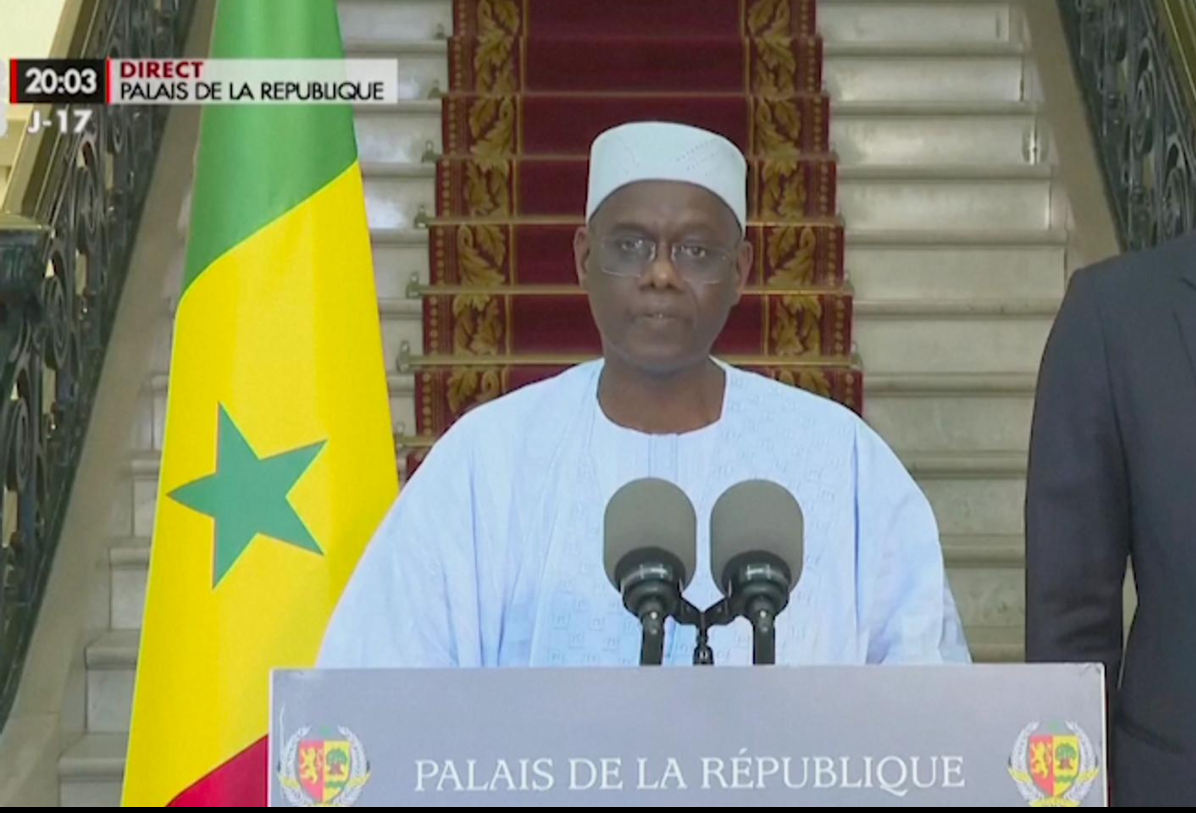
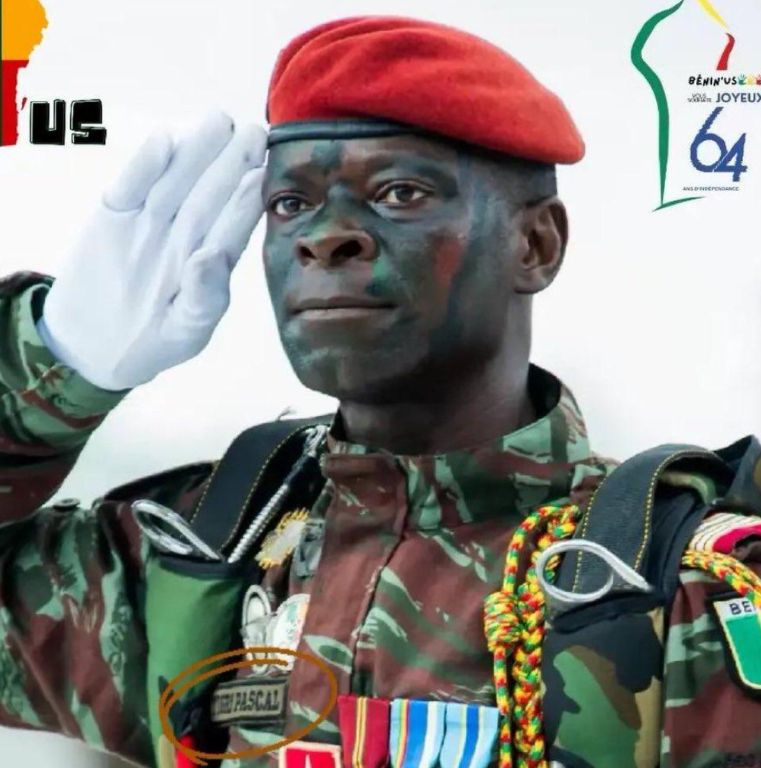
Niger has just thrown a high-stakes card onto the table. The public airing of a sweeping declaration by Inspector Habibou Oumarou Mamane, delivered on national television on October 23, 2026, has electrified West Africa. The claim? That a coordinated effort to locate—or possibly extract—colonel Pascal Tigri, the alleged mastermind behind Benin’s failed December 7, 2025 coup attempt, has been underway inside Niger’s borders. The timing could not be more decisive: the testimony lands as diplomatic relations between Niamey and Cotonou strain under the weight of unanswered questions.
What the inspector’s statement actually says
Inspector Oumarou’s televised account reads like a procedural thriller. According to his sworn testimony, he was first approached on February 27, 2026, to assist in locating Pascal Tigri. The narrative unfolds with names, dates, and financial transactions: a promised envelope of five million Central African francs for operational costs, two million paid in cash at Niamey’s Grand Market on March 9, and a series of coded exchanges involving intermediaries who claimed links to Beninese security circles. Key figures named include individuals identified only by nicknames—“David,” “Moumouni,” and “Zakou”—as well as a Beninese police officer codenamed “Ilou.” A meeting allegedly took place in Malanville, a border town straddling Benin and Niger, where promises of diplomatic passports and senior advisory posts were reportedly dangled.
At first glance, the story appears meticulous. But precision does not equal proof. The inspector’s vivid reconstruction of meetings, phone calls, and cash handovers exists largely in his own words. No verifiable documents, recorded conversations, or corroborating witness statements have been made public. The credibility of every claim—from the identities of the intermediaries to the alleged instructions from Cotonou—remains open to scrutiny.
Exfiltration or investigation? The language that changes everything
A single word in the inspector’s testimony has sent shockwaves through regional security circles: exfiltration. In intelligence and law enforcement, exfiltration denotes a covert extraction operation. Yet the use of this term, even in a public forum, does not confirm that such an operation was ever authorized, funded, or executed. It is a claim wrapped in ambiguity. Without access to official Beninese records, internal memos, or intercepted communications, the line between legitimate intelligence gathering and alleged covert action blurs dangerously.
What is certain: the search for a fugitive accused of participating in a violent coup attempt is a legitimate national security concern for Benin. Tracking suspects, gathering intelligence, and pursuing judicial avenues are standard sovereign prerogatives. These actions differ fundamentally from orchestrating a clandestine extraction across international borders—an act that would violate international law and bilateral agreements without a formal extradition request or mutual legal assistance treaty in place.
Why air a sensitive claim on national television?
Broadcasting an uncorroborated narrative on state television raises immediate red flags. A televised statement can serve transparency, but it can also weaponize perception. When evidence is absent and questions outnumber answers, public declarations risk amplifying rumor over fact. In a region already tense, such a move invites speculation: Is this an earnest attempt to aid an investigation? A calculated response to prior accusations? Or a deliberate signal to Cotonou—and the international community—that Niger holds leverage in the Tigri dossier?
The absence of an immediate Beninese rebuttal leaves the door ajar. Silence neither confirms nor denies the claims. It only underscores the urgency for verifiable facts. Until such evidence surfaces, the statement functions less as closure and more as a catalyst—one that demands clarity from both governments and a return to established judicial and diplomatic channels.
Regional cooperation under pressure
The Pascal Tigri affair has evolved from a localized manhunt into a regional diplomatic litmus test. When a high-profile fugitive is suspected of hiding across a border, the stakes transcend national security. They involve trust between neighboring intelligence services, respect for territorial sovereignty, and adherence to international legal frameworks. For Cotonou, a formal extradition request would be the conventional next step. For Niamey, the duty lies in verifying any allegations before endorsing—or dismissing—them.
Yet the inspector’s testimony introduces a third dimension: the possibility of unauthorized cross-border operations. If substantiated, such actions would breach regional conventions and undermine decades of cooperation. If unsubstantiated, they risk inflaming tensions without resolving the core issue—finding Pascal Tigri and bringing him to justice.
What happens next? The path forward
The credibility of Inspector Oumarou’s claims will ultimately be judged not by the drama of a televised broadcast, but by the presence—or absence—of hard evidence. Prosecutors, judges, and regional security bodies must now demand concrete documentation: transaction receipts, voice recordings, travel logs, or digital footprints that corroborate the timeline and participants described. Without these, the story remains a compelling narrative rather than a legal case.
For now, the trail is cold. The names and nicknames offered by the inspector must be traced. The financial trail, if real, must be audited. The alleged meetings in Malanville must be geo-located and time-stamped. Only then can the regional community determine whether this testimony marks a turning point—or simply another twist in a case still searching for solid ground.
The stakes could not be higher: a fugitive at large, two nations at a crossroads, and a story whose next chapter will be written not in headlines, but in evidence.

 Mariama Hamani