Boureima Amadou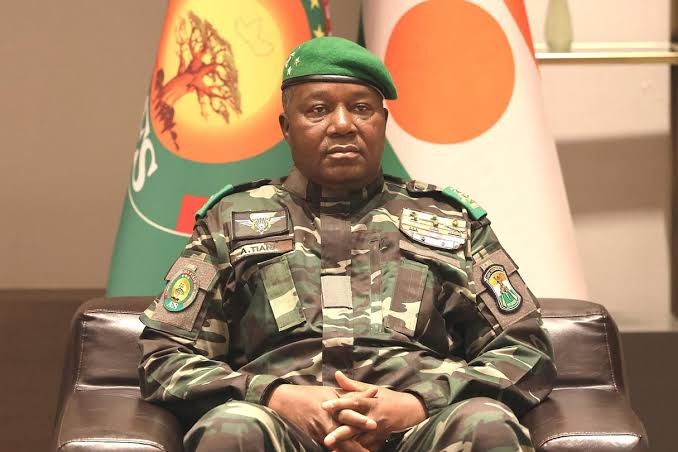
From economic crisis to drastic measures: Niger’s bold gamble for survival
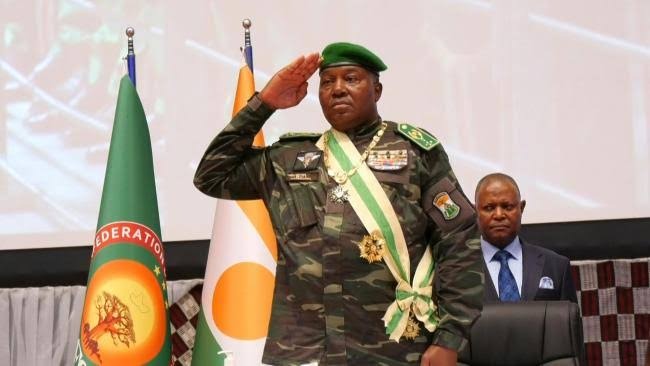
Facing a deepening financial crisis and dwindling state coffers, Niger’s military regime under General Abdourahamane Tiani has escalated its tactics in a high-stakes bid to secure funds. In a move that has raised eyebrows globally, the transitional authorities have issued an audacious ultimatum to their largest economic partner—the Chinese state-owned oil giant China National Petroleum Corporation (CNPC)—demanding a staggering payment of over 3,000 billion CFA francs (approximately $5 billion) within just 45 days. The justification? Alleged delays in repatriating oil export revenues.
Behind the financial maneuver: a state-sponsored shakedown?
The timing of this demand couldn’t be more critical. Niger is grappling with a severe liquidity crisis, compounded by drastic budget cuts and uncontrolled military expenditures. With public resources drying up, the junta appears to be scapegoating CNPC to plug a gaping hole in state finances. Officials claim only 105 billion CFA francs of foreign exchange from the Agadem oil block has reached Niger over two years—a narrative that conveniently overlooks the complex financial arrangements and a $400 million loan secured from Beijing in 2024, repayable through oil proceeds.
Seven crippling demands: a coordinated squeeze on China’s oil giant
The ultimatum is backed by a list of seven punitive demands designed to force CNPC into submission:
- Forced liquidity injections: Immediate repatriation of massive sums in CFA francs under an unrealistic timeline.
- Local employment quotas: Mandates requiring up to 90% local staffing, despite technical market constraints.
- Takeover of critical infrastructure: Unilateral renegotiation of tariffs and operational control over the Niger-Benin pipeline (valued at $2.3 billion).
- Hostile takeover of SORAZ refinery: Gradual exclusion of Chinese executives and seizure of governance control.
- Resource valuation manipulation: One-sided reappraisal of Agadem reserves to renegotiate tax shares upward.
- Coerced investments: Pressure to inject an additional $1 billion into exploration projects (Dinga Deep and Abolo-Yogou).
- Administrative infiltration: Placement of junta-appointed officials within CNPC’s decision-making bodies.
A pattern of intimidation: when economics trumps diplomacy
This isn’t the first time Niamey has targeted CNPC. A series of aggressive maneuvers—including the abrupt expulsion of Chinese executives in March 2025—has set the stage for this financial showdown. By framing its demands as a legitimate financial claim, the junta is testing the limits of Beijing’s patience. Yet, with each escalation, it risks pushing China toward a final withdrawal, leaving Niger further isolated and financially crippled.
The turning point: will this gamble backfire?
As the 45-day clock ticks down, the stakes couldn’t be higher. Niger’s regime is gambling that its bold financial maneuver will coerce China into compliance, securing a lifeline for its collapsing economy. However, analysts warn that this high-risk strategy could backfire spectacularly. The loss of China’s investment and technical expertise—combined with the potential diplomatic fallout—could plunge Niger into an even deeper crisis, jeopardizing its economic future and regional stability. In the end, this may well mark a decisive turning point—one where desperation overshadows strategy, and the consequences prove irreversible.