Mariama Hamani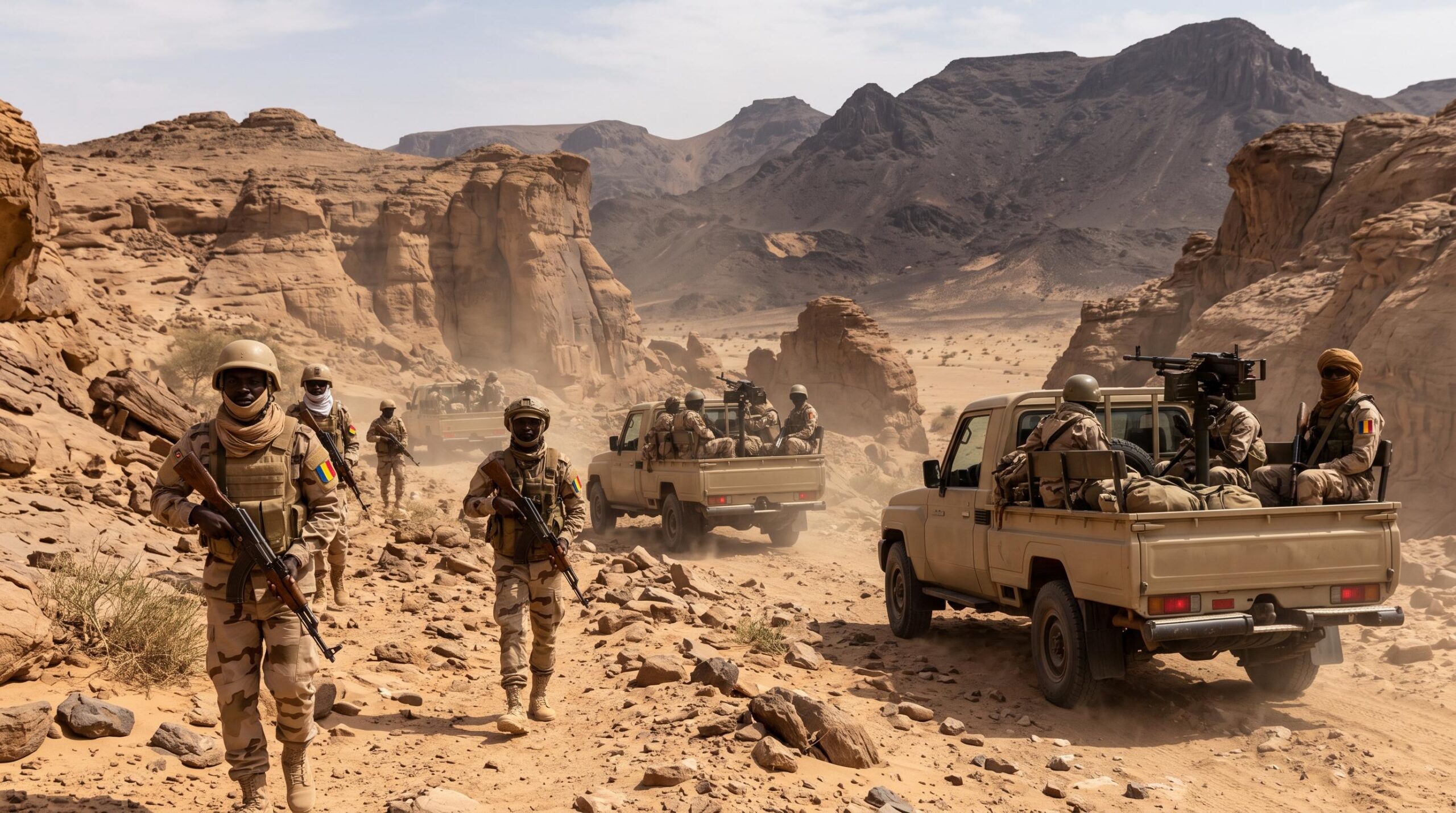
Miski erupts: Gold disputes spark deadly confrontation in Chad’s Tibesti
MISKI, Chad — A violent clash erupted on October 14 between Chad’s Mining Brigade and local self-defense groups in Miski, deep in the Tibesti region. Official military statements confirm two officers killed and nine security personnel injured in the exchange near the Awa mining zone. This escalation marks a dangerous turning point in a long-simmering dispute over control of the region’s lucrative gold deposits.
Unclear origins, explosive consequences
The precise sequence of events remains shrouded in confusion. Military officials allege the self-defense committee initiated the attack around 5 p.m., framing it as a deliberate breach of peace agreements. They’ve demanded immediate disarmament and warned that refusal to surrender weapons will be treated as rebellion. Without independent verification, these claims reflect only the army’s official stance — leaving critical questions about accountability unanswered.
Tensions escalate as peace deal frays at the edges
This confrontation didn’t occur in isolation. On October 13, local self-defense representatives accused the Mining Brigade of firing heavy weapons the previous day, calling it a clear violation of the ceasefire. They also condemned unauthorized resource extraction and contested the military’s presence on the ground, demanding government mediators intervene before the situation spiraled further out of control.
Breaking point: Gold control threatens Tibesti’s fragile stability
The April 2025 peace accord and October 2026 government delegation agreements now hang in the balance. While self-defense groups insist they’re upholding these commitments, military leadership accuses them of systematic violations. At the heart of this conflict lies control over the region’s gold wealth — a resource that has fueled suspicion, competition, and violence between local communities and state security forces alike.
Civilian fears mount as violence spreads
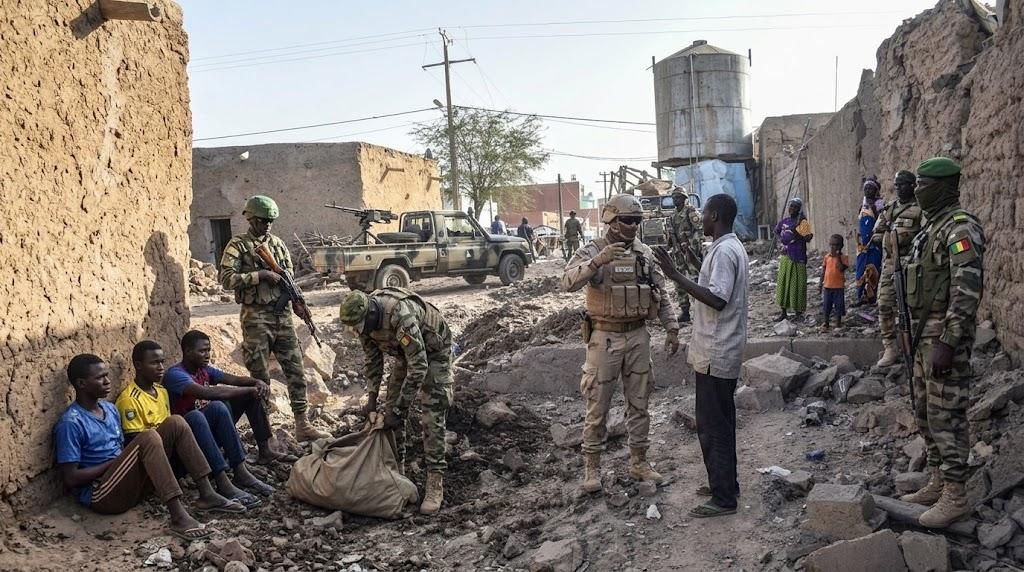
No independent reports have confirmed civilian casualties or displacement, but anxiety is rising among residents of Miski and surrounding areas. The region’s future stability now hinges on whether both sides can prioritize dialogue over confrontation, clarify what truly happened, and recommit to their peace obligations before another cycle of bloodshed begins.


 Boureima Amadou