Boureima Amadou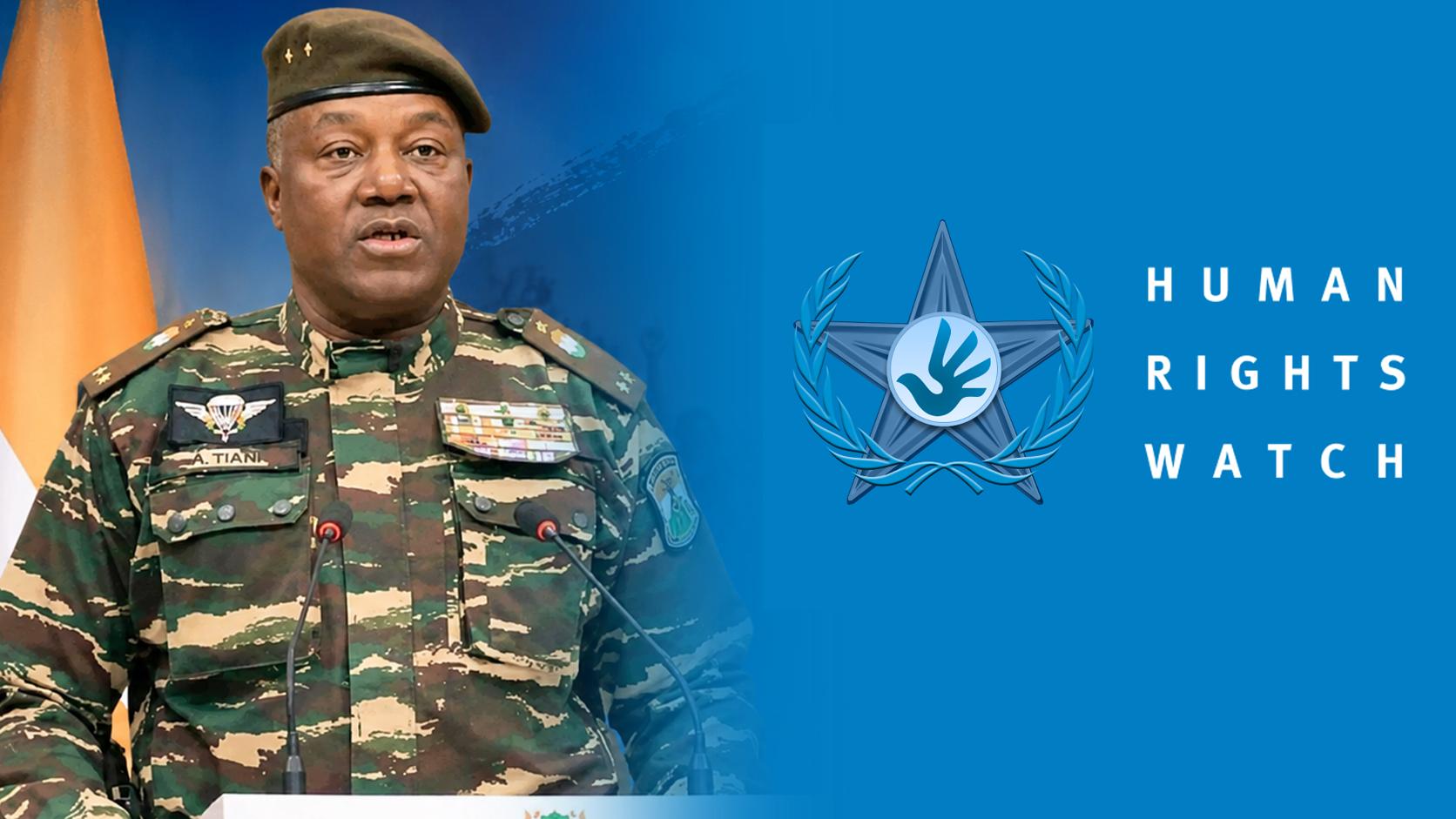
From democratic hope to institutional collapse
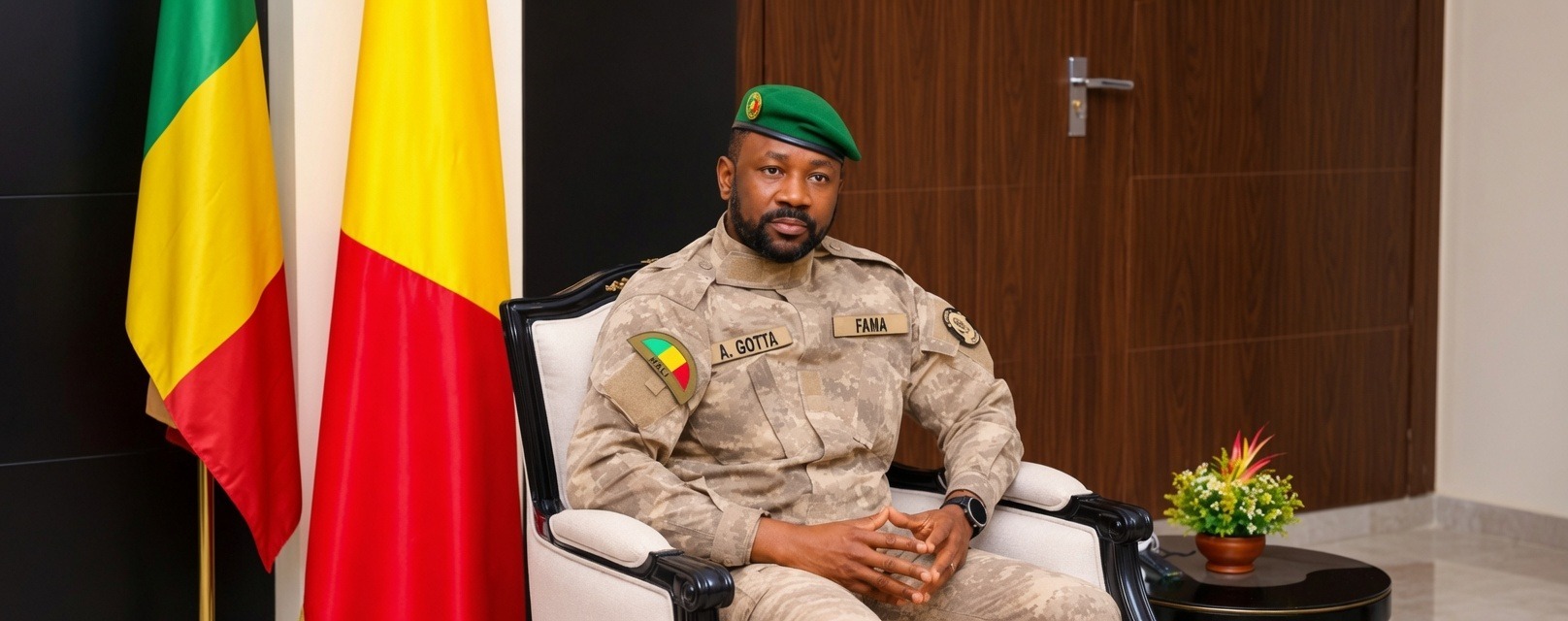
The 26th of July 2023 marked a turning point for Niger when democratically elected President Mohamed Bazoum was toppled by a military junta led by General Abdourahamane Tiani. Three years on, the country finds itself in a deepening crisis of governance, with fundamental freedoms systematically dismantled under the pretext of national security and sovereignty. The international community’s warnings have done little to curb the consolidation of authoritarian rule.
A justice system weaponized against dissent
The continued arbitrary detention of former President Mohamed Bazoum and his wife stands as a stark reminder of the regime’s zero-tolerance approach to opposition. Despite repeated calls from global institutions and the United Nations Working Group on Arbitrary Detention demanding their release, the military leadership remains unyielding.
The manipulation of justice extends beyond political figures. In December 2024, Moussa Tiangari, a respected human rights advocate, was detained under terrorism-related charges. His lawyers insisted on his release after the legal limit of 12 months for provisional detention in such cases was exceeded. Yet authorities abruptly extended the maximum detention period to four years through an amendment to the penal procedure code—a move critics describe as a blatant disregard for judicial fairness.
Media freedom and civil society under siege
The tightening grip on public liberties has intensified across multiple fronts:
- Political and labor suppression: Every political party has been dissolved, while independent unions and NGOs have had their operations suspended, silencing almost all organized dissent.
- Censorship and intimidation: Amendments to cybercrime laws now criminalize critical reporting, leading to arrests of journalists. In October, six media professionals in Niamey were detained merely for publicizing an invitation to a press conference.
- Targeting exiles: The regime has escalated pressure on opposition figures abroad by revoking their citizenship, as seen with Mariama Djibrine, a prominent regional activist now stripped of her Nigerien nationality.
Legal and diplomatic isolation deepens
The regime’s repressive trajectory reached a dramatic milestone in March when a revised Penal Code introduced sentences of five to twenty years for consensual same-sex relations and any support for LGBT individuals. The law has already disrupted vital public health programs and sparked a wave of arrests.
Diplomatically, Niger has chosen a path of deliberate disengagement. Following its withdrawal from the Economic Community of West African States (ECOWAS), the country exited the International Criminal Court (ICC) in June. Analysts warn this isolation leaves civilians in volatile regions like Tillabéri with no legal recourse against abuses, even as military operations continue to claim civilian lives.
A call for international accountability
Human rights organizations are urging global partners to abandon pragmatic silence and press for the immediate release of political detainees. They emphasize the urgent need to restore a credible roadmap toward civilian governance, warning that continued inaction risks entrenching authoritarian control and further eroding the rule of law in West Africa.