Boureima Amadou
Mali’s military leadership faces scrutiny over alleged war crimes in the North
As allegations of torture and summary executions of captured Malian soldiers in the country’s northern regions spark widespread condemnation, the United Nations has joined local human rights groups in demanding an impartial investigation. The accusations, which involve alleged violations of international humanitarian law, include the participation of Malian armed forces, Russian military instructors, and armed factions. Yet, the transitional government in Bamako has so far remained conspicuously silent on the matter.
Shocking evidence emerges from northern Mali
Disturbing footage and testimonies from human rights organizations have surfaced following intense clashes in northern Mali, revealing harrowing accounts of Malian soldiers subjected to brutal treatment after being captured. Reports indicate that dozens of members of the Malian Armed Forces (FAMa) were tortured and executed despite surrendering and being hors de combat. The UN High Commissioner for Human Rights has condemned the acts as potential war crimes, urging an urgent, thorough, and independent inquiry. Under the Geneva Conventions, such acts—whether perpetrated by separatist coalitions or jihadist groups linked to Al-Qaïda—constitute clear breaches of international law.
A military junta trapped in denial
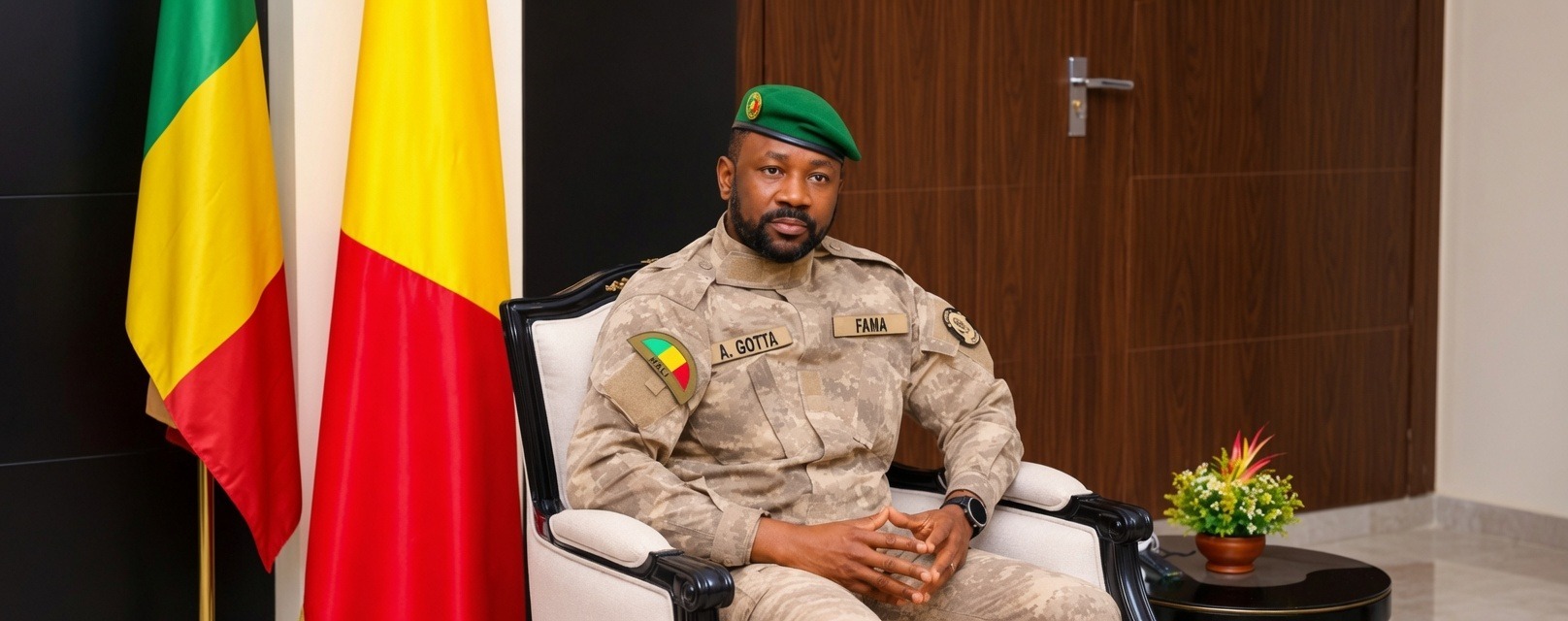
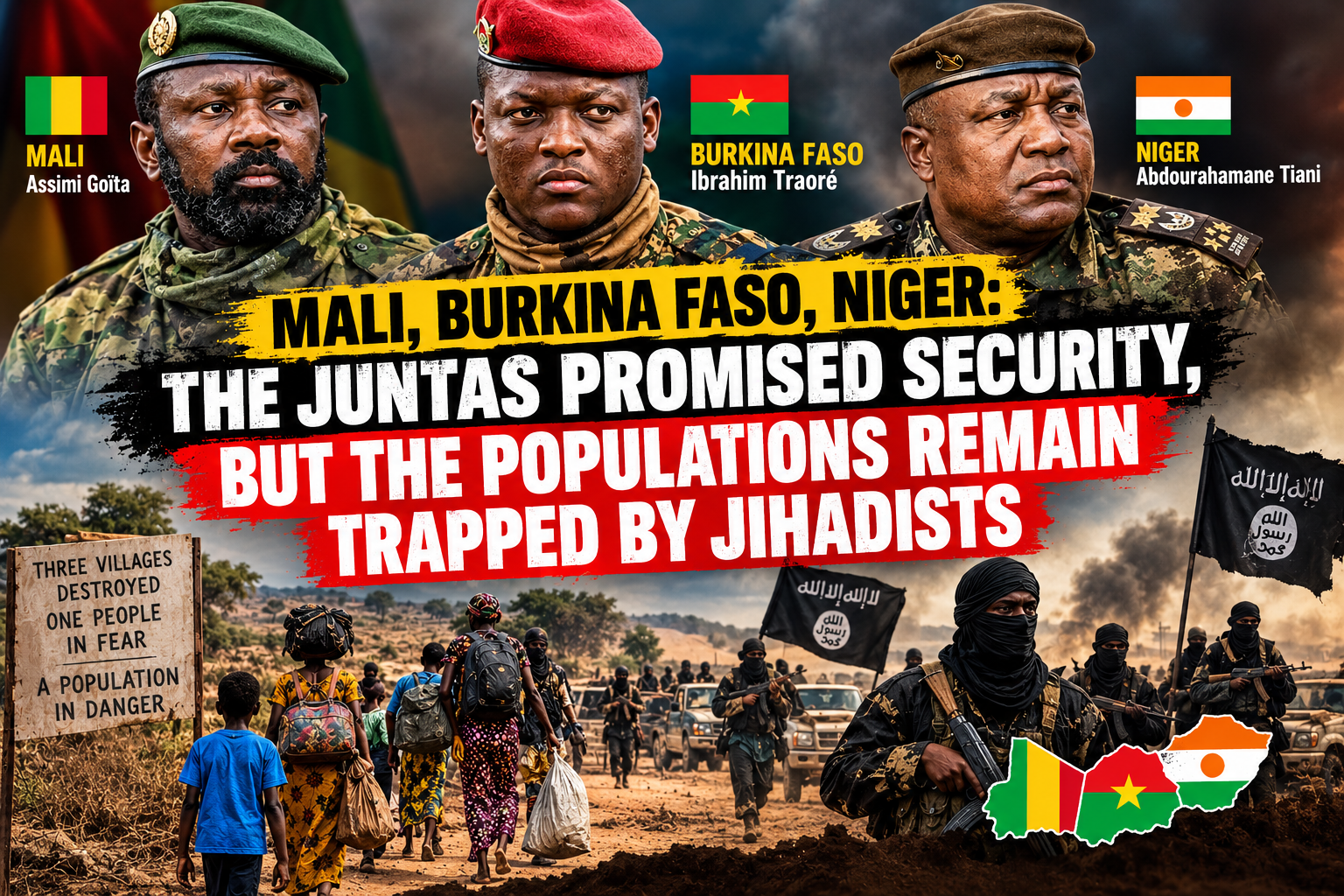
The transitional government’s refusal to address the allegations has raised serious concerns both domestically and internationally. The junta, led by Colonel Assimi Goïta, has historically been vocal about external interference and the successes of FAMa operations. However, its current silence exposes a critical dilemma:
- Strategic vulnerability: Acknowledging these atrocities would undermine the official narrative of a strengthening national security apparatus.
- Eroding trust: Ignoring the demands of victims’ families and local NGOs risks deepening divisions within the military ranks and fueling further unrest.
Civilian suffering and a legacy of impunity
The UN’s call for an investigation into the executions of soldiers comes amid a broader pattern of alleged human rights abuses in Mali. Reports from the UN and international watchdogs have long documented violations linked to military operations, particularly those involving the Malian army and its Russian allies—formerly associated with the Wagner Group and now operating under the banner of the Africa Corps. The evidence points to a disturbing trend of abuses targeting civilians, including:
- Mass killings: Incidents such as the 2022 Moura massacre, where hundreds were reportedly executed, continue to haunt military operations in the region.
- Arbitrary detentions and torture: Civilians in areas like Mopti, Gao, and Ménaka have reported widespread arbitrary arrests, looting, and torture during joint military and Russian-led operations.
- Targeted persecution: Nomadic communities, particularly the Fulani and Tuareg, bear the brunt of these abuses, often accused—without evidence—of collaborating with insurgents or jihadist factions.
This climate of violence and unchecked impunity has not only fueled resentment but also contributed to the radicalization and recruitment efforts of armed groups, perpetuating a cycle of retaliation.
Sahel’s descent into lawlessness
The withdrawal of international forces, such as the MINUSMA mission, at the junta’s request, has left a void in independent oversight. In this shroud of secrecy, both civilians and soldiers caught in the crossfire face the harshest consequences. Experts warn that without credible accountability mechanisms, the fight against terrorism in the Sahel risks degenerating into a cycle of vengeance, where all parties disregard the most basic principles of humanitarian law.
The joint outcry from local NGOs and the UN’s firm stance marks a pivotal moment in Mali’s security crisis. By demanding accountability for the executed soldiers, the international community underscores a critical truth: justice cannot be selective. The question now is whether the military junta will break its silence to initiate transparent proceedings or continue to turn a blind eye—risking further isolation and deepening the cycle of atrocities on the ground.