Mariama Hamani
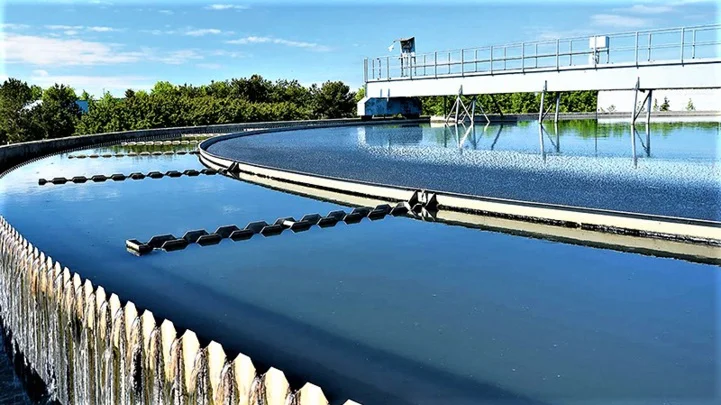
Discussions between Veolia, a leading French water management company, and Morocco’s Ministry of the Interior have regained momentum regarding the Rabat desalination plant project. The facility, designed to produce 822,000 cubic meters of drinking water daily, is set to supply nearly 300 million cubic meters annually to meet the growing demand in the Rabat-Salé-Kénitra and Fès-Meknès regions.
The ambitious initiative, backed by high-level diplomatic support, aims to address Morocco’s water scarcity challenges by leveraging advanced desalination technology powered by renewable energy sources. A key sticking point in the negotiations revolves around the cost of desalinated water, with both sides aiming to finalize a target price of 4.5 Moroccan dirhams per cubic meter.
After a period of stalled progress, officials from Rabat and Paris have reconvened to iron out remaining financial and logistical hurdles. Neither side has taken unilateral action, but differences over pricing and external factors such as climate variability have slowed the process since the original agreement was signed in late 2024 during a state visit by the French president.
The project, located along Morocco’s Atlantic coast near the capital, will operate under a public-private partnership framework. Veolia will oversee the entire lifecycle of the plant—from design and financing to construction and 35-year operation—ensuring long-term sustainability and efficiency.
This renewed push comes on the heels of the recent High Joint Commission meeting in Rabat, co-chaired by French Prime Minister Sébastien Lecornu and Moroccan Head of Government Aziz Akhannouch. The gathering underscored the strategic importance of water infrastructure cooperation between the two nations.
Meanwhile, Morocco’s desalination market continues to draw international interest. Spanish firms Acciona and Cox are currently vying for the contract to build the future Tangier desalination plant, slated to deliver 150 million cubic meters of water annually by 2029.


 Boureima Amadou