Boureima Amadou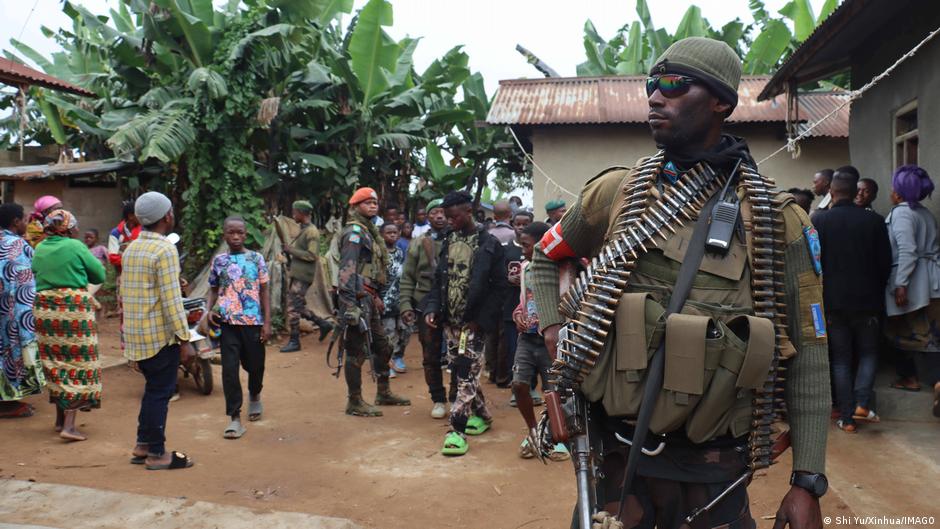
The Armed Forces of the Democratic Republic of Congo (FARDC) have issued a strict ban on military personnel carrying smartphones during operations, citing security risks and operational failures in the country’s volatile eastern regions.
Concerns over operational security
The decision follows repeated incidents where soldiers filmed battlefield activities—ranging from alleged combat victories to logistical complaints and even retreats—on social media platforms. These actions, according to military leadership, have compromised troop safety and undermined mission success in provinces like South Kivu, particularly in areas such as Uvira and Fizi.
A mid-ranking officer, who requested anonymity, shared his perspective on the policy shift: “I’ve always carried a phone in the field to stay in touch with my family. It’s a matter of life and death—we need to know our loved ones are safe. While we understand the risks, effective communication with home shouldn’t come at the cost of our own security.”
In a formal statement, interim FARDC spokesperson Lieutenant-Colonel Mak Hazukay emphasized the dangers of unchecked smartphone use: “An active or misused device can betray a soldier’s position, exposing units to enemy fire or coordinated attacks. Troops are strictly prohibited from sharing locations, movements, operational details, or images of engagements—online or via messaging.”
Civil society and human rights perspectives
Kelvin Bwija, coordinator of the Congolese Civil Society organization Socico in Uvira, welcomed the ban as a critical step to curb internal betrayals: “This directive is long overdue. Some soldiers have used their phones to collude with adversaries, sharing intelligence and tactical instructions. As civil society, we fully endorse this measure.”
Human rights advocate Maître Aimé Bisimwa acknowledged the phone’s role in daily life but stressed military duty: “This isn’t a violation of communication rights. Soldiers worldwide operate under the principle of operational secrecy. Their commitment requires sacrificing personal convenience for national security.”
Ongoing conflict and strategic challenges
Meanwhile, clashes persist in South Kivu’s highlands and plateaus, including Mwenga and Fizi territories. The conflict pits the AFC/M23–Twirwaneho rebel coalition—allegedly backed by Rwanda—against the FARDC-Wazalendo alliance, supported by Burundi, according to regional observers.

 Mariama Hamani