Boureima Amadou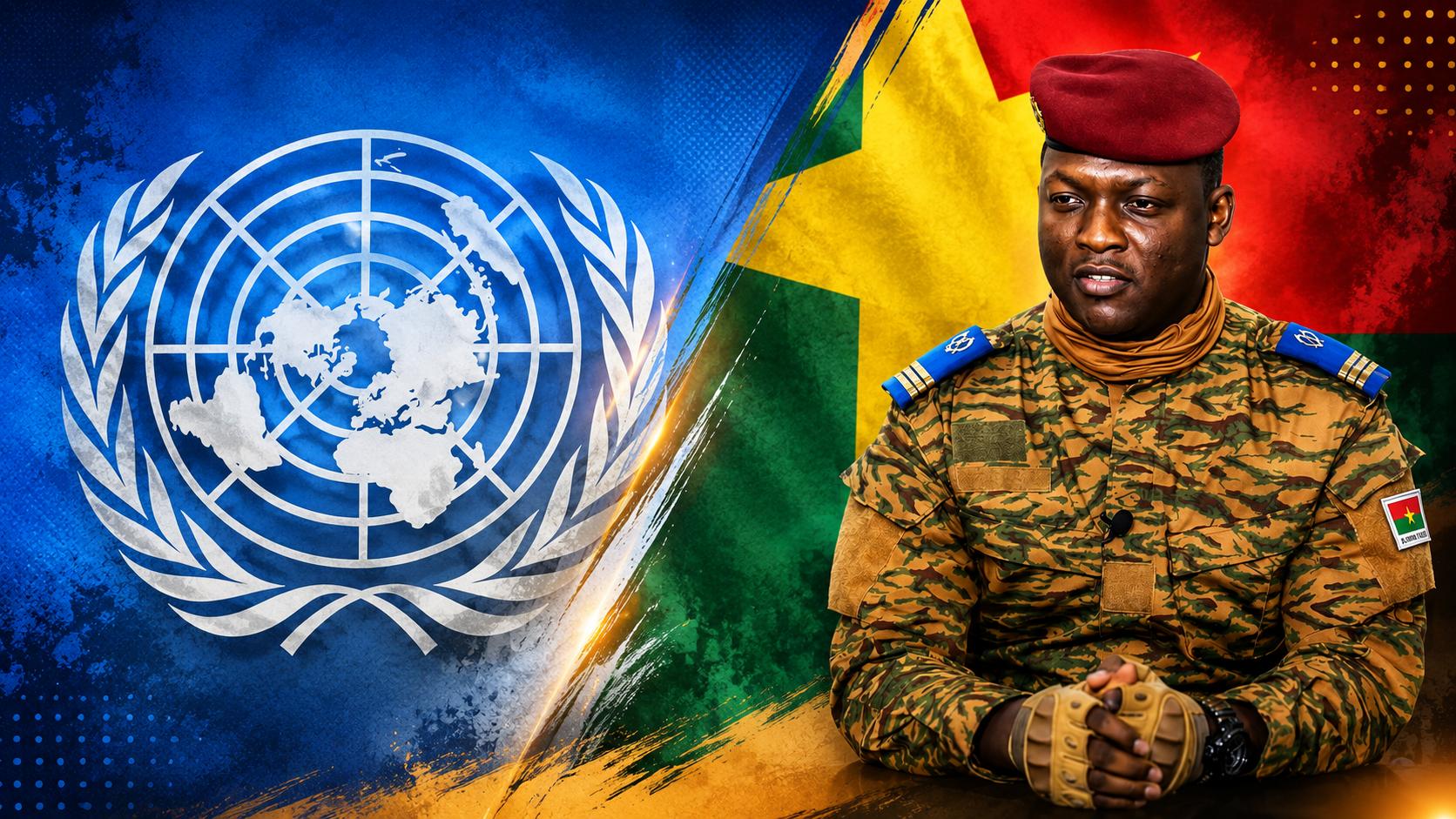
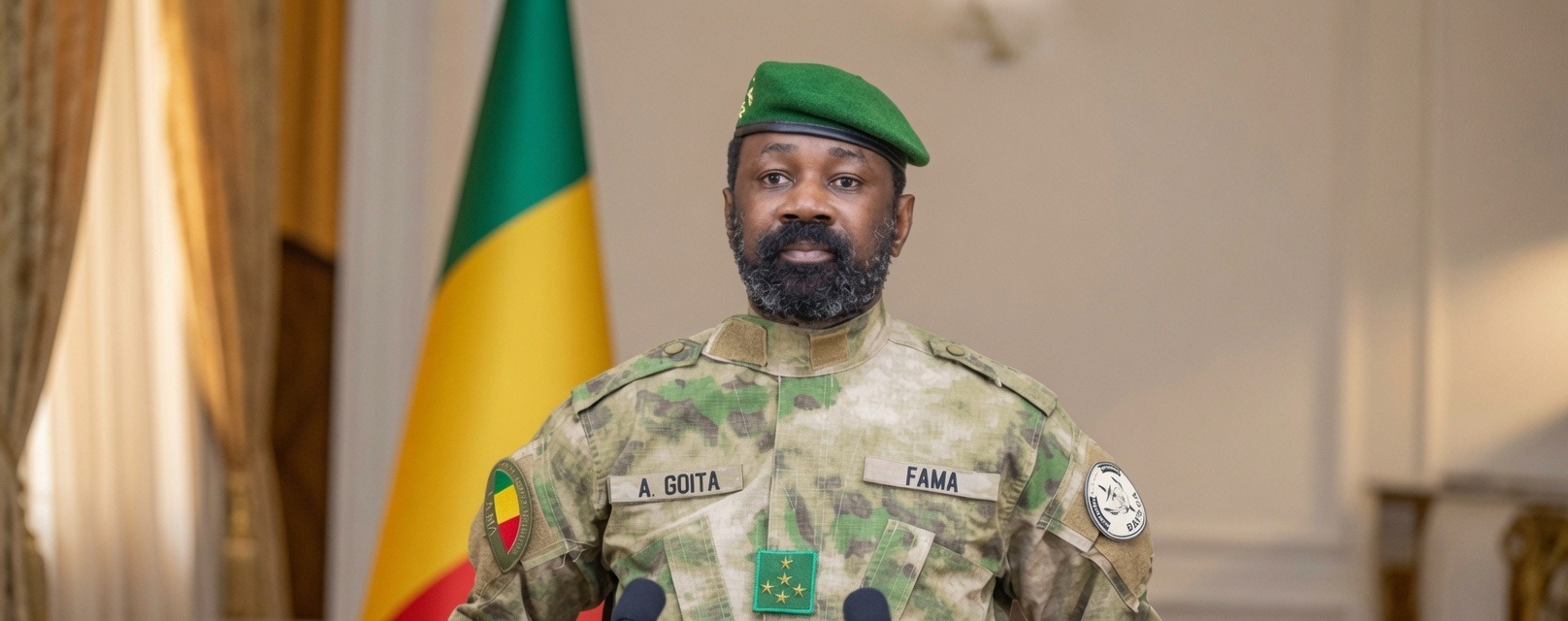
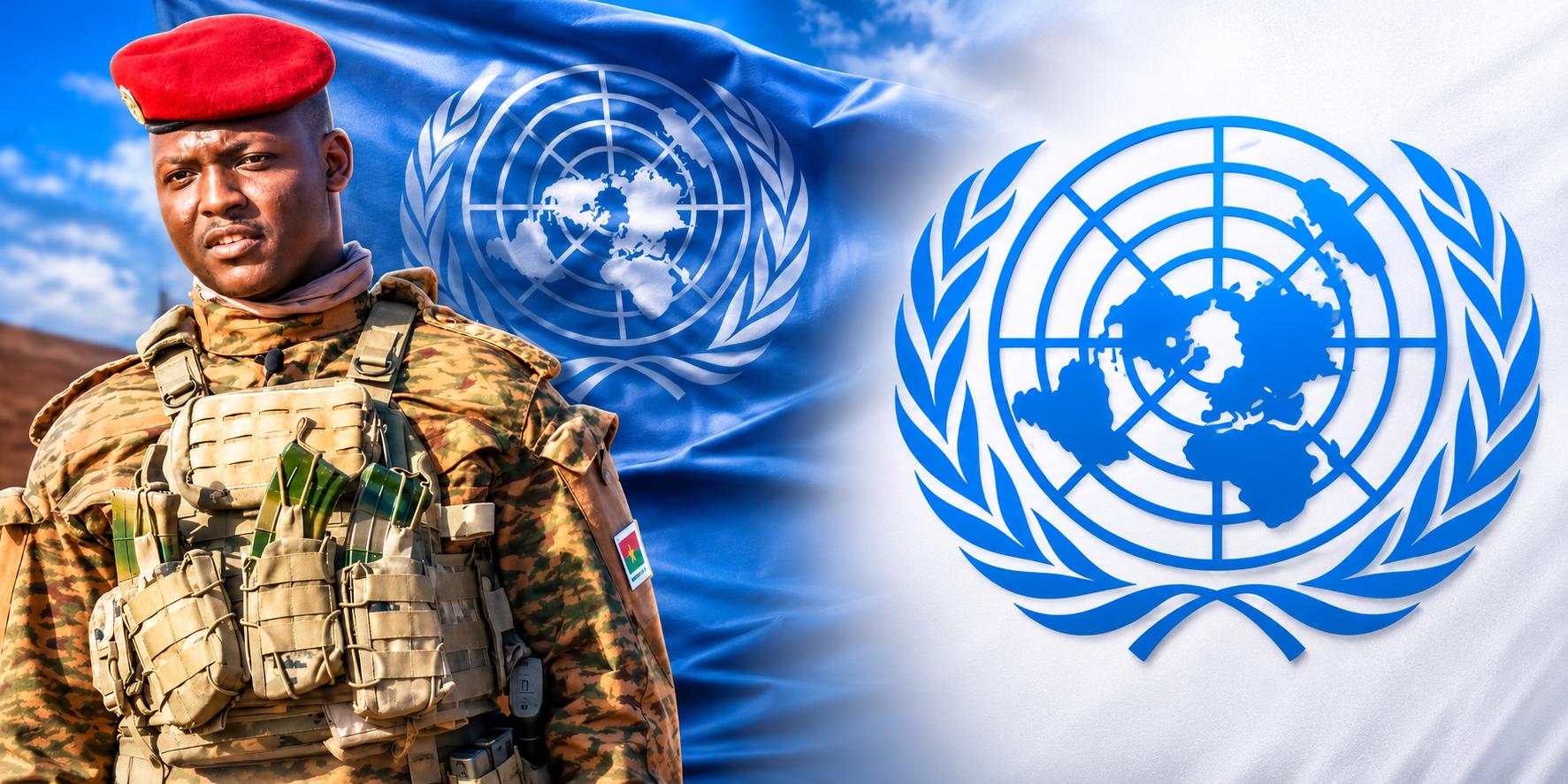
Burkina Faso’s international isolation has reached unprecedented levels, and the architect of this diplomatic collapse is none other than the transitional leader, Captain Ibrahim Traoré. By expelling the United Nations human rights office, he has crossed a critical threshold—a move symptomatic of a governance style rooted in deep-seated paranoia and an outright rejection of accountability.
From sovereignty to isolation
Since seizing power in a coup in September 2022, Captain Traoré has systematically dismantled Burkina Faso’s diplomatic ties, turning a legitimate demand for national sovereignty into a scorched-earth foreign policy. His approach is not about strengthening the country’s position—it’s about shutting it off from the world.
The deliberate retreat from global engagement
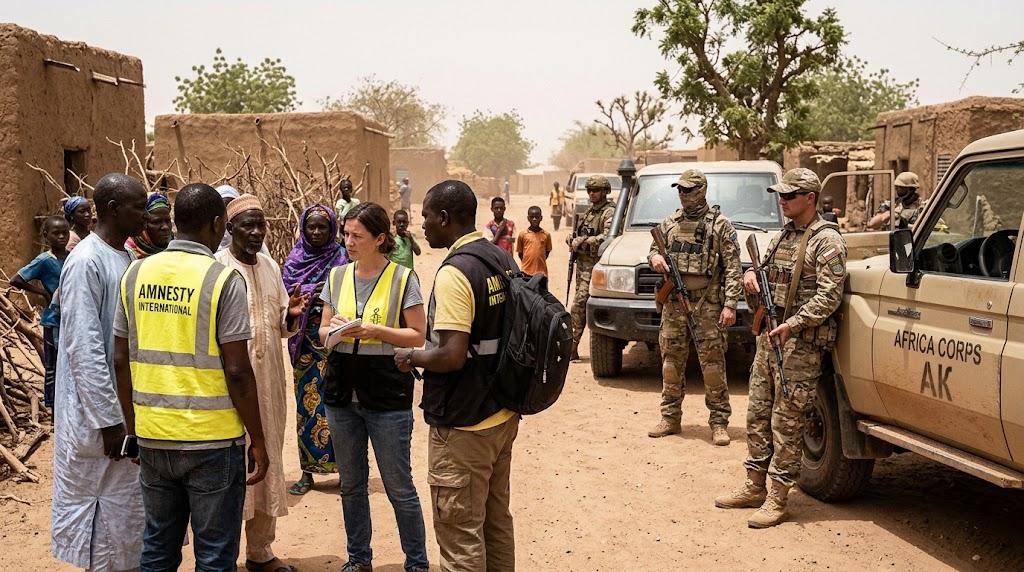
The expulsion of the UN mission is not an isolated incident; it is the latest in a series of actions designed to eliminate all independent oversight. By severing ties with the Economic Community of West African States (ECOWAS), suppressing local and international media at the slightest sign of dissent, and undermining the National Human Rights Commission (CNDH) before targeting the UN, Traoré is systematically erasing any source of external scrutiny.
A narrative under strict control
By silencing critics and labeling them as “traitors” or “foreign agents,” the regime seeks to monopolize the national narrative. This strategy extends to the battlefield, where documenting human rights abuses or military failures is treated as an act of betrayal. The goal? To present a controlled version of reality—one where Burkina Faso’s struggles are obscured, and accountability is nonexistent.
The consequences of a closed-door policy
Traoré’s refusal to engage with international bodies like the UN and his decision to withdraw from the International Criminal Court (ICC) send a clear message: he will not answer to anyone—not foreign governments, not global institutions, and certainly not his own people. This defiance comes at a steep cost.
Denying Burkina Faso’s armed forces and civilian defense volunteers (VDP) access to UN expertise in international humanitarian law leaves a dangerous void. Without oversight, the risk of unchecked violence and impunity on the ground grows, potentially alienating the very communities the state claims to protect. In the long run, this could play directly into the hands of armed groups, further destabilizing the country.
A sovereignty misused
True sovereignty is not about operating beyond the reach of the law or the gaze of the international community. It is about strengthening institutions, ensuring transparency, and protecting citizens. Captain Traoré’s governance, however, equates sovereignty with isolation—a path that leads not to resilience, but to collapse. The Burkina Faso of today is a nation trapped in a cycle of distrust, where the pursuit of absolute control has overshadowed the needs of its people.

 Mariama Hamani