
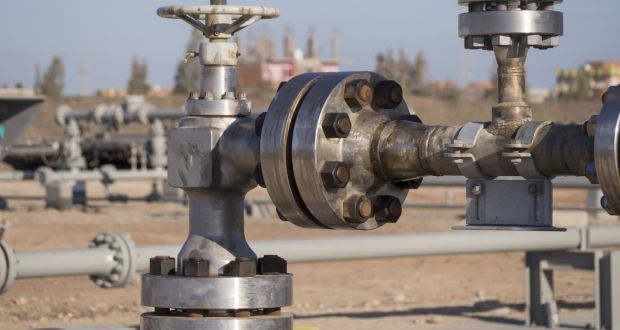
Rabat is stepping up efforts to secure the necessary funding for the Atlantic African Gas Pipeline (GAA), a joint initiative with Nigeria. The Moroccan government is pursuing a financing package worth $26 billion, tapping into potential contributions from the U.S. Export-Import Bank and the World Bank, as confirmed by Youssef Amrani, Morocco’s ambassador to the United States.
Key players and financing strategy
This ambitious project, designed to connect Nigeria’s vast gas reserves to West African and European markets, relies on securing long-term funding from both public and private investors. The Moroccan delegation is actively engaging with international financial institutions to finalize terms that align with the project’s timeline and economic viability. The involvement of the U.S. Export-Import Bank and the World Bank signals strong institutional support, though final agreements remain pending.
Economic and geopolitical implications
The Atlantic African Gas Pipeline (GAA) is poised to reshape energy dynamics in West Africa by enhancing regional connectivity and reducing reliance on fossil fuel imports. For Morocco, this pipeline represents a strategic opportunity to position itself as a key energy hub, facilitating the transit of Nigerian gas to European markets via its territorial waters. The project also aligns with broader goals of diversifying energy sources and bolstering economic cooperation across the continent.
Next steps and challenges
The road to securing $26 billion in funding is complex, requiring meticulous negotiations to address financial risks, regulatory hurdles, and geopolitical considerations. Rabat’s diplomatic and financial teams are working to finalize terms with lenders while ensuring the project’s long-term sustainability. Stakeholders anticipate that once funding is secured, construction could commence within the next two years, with completion targeted for the mid-2030s.
The Atlantic African Gas Pipeline (GAA) underscores the growing importance of regional energy collaboration in Africa, with Morocco at the forefront of this transformative initiative.
More Stories
Lyon auxerre match date set by champions league outcome
Niger struggles under three years of military rule
Ministers abandon pastef, declare it an ’empty shell’ in senegalese political shake-up