Mariama Hamani
While Bamako breathes easier thanks to recent fuel and arms convoys, the heart of Mali remains trapped in a tightening security crisis. The contrast is stark: on one side, a capital city seeing a rare moment of respite; on the other, the Central regions sinking deeper into violence as the JNIM extends its deadly reach.
Bamako’s lifeline: how new supply routes defied terror threats
After weeks of anxiety over fuel shortages and logistical bottlenecks, Bamako has finally seen a significant easing of pressure. Two critical deliveries in late July broke the deadlock, proving that alternative supply routes can outmaneuver terrorist blockades.
The first breakthrough came on July 24, when a massive convoy of fuel tankers entered Bamako. These vehicles, carrying vital supplies, avoided the usual ambush zones controlled by the JNIM in the Kayes region. The successful transit marked a tactical success, ensuring the capital’s essential services and infrastructure remained operational despite regional instability.
A new military corridor shifts the balance
The next day, Bamako welcomed another high-stakes delivery—a heavy weapons convoy from Russia. The shipment, unloaded at the port of Lomé in Togo, took an unconventional route through Burkina Faso before entering Mali via Sikasso. This logistical maneuver confirms the activation of a new West African supply corridor, designed to bypass hostile zones and reinforce defense capabilities.
The delivered arsenal includes advanced weaponry earmarked for the Malian Armed Forces (FAMa) and their Russian allies in Africa Corps. Among the hardware are BMP-2 and BMP-3 infantry fighting vehicles, 14 mine-resistant ambush-protected (MRAP) vehicles, BTR-82 troop carriers, two anti-aircraft systems, and a fleet of tactical trucks and motorcycles. The arrival of this equipment signals a potential shift in Mali’s counterterrorism strategy.
The Central regions: where terror thrives and the state weakens
Bamako’s relief stands in sharp contrast to the dire situation unfolding in the country’s central belt. Here, the JNIM continues to dominate, turning major highways into death traps and eroding state control.
Between July 25 and 26, the National Road 16 (RN16) near Mopti became a battleground. A joint FAMa-Africa Corps convoy, tasked with resupplying Gao, faced relentless attacks near Hombori. The jihadist group deployed a barrage of improvised explosive devices (IEDs) along the Wami-Agoufou stretch, destroying or disabling several vehicles. The incident underscored the JNIM’s operational grip on the region and the challenges faced by regular forces in securing vital supply lines.
A multi-pronged terror campaign tightens its grip
The JNIM isn’t limiting its actions to the Sévaré-Gao axis. Reports from the same period highlight additional strikes: an ambush on a FAMa convoy between Niafunké and Tonka, and a counteroffensive north of Niono on July 26, aimed at halting an Africa Corps advance.
The humanitarian toll is mounting, nowhere more so than in Kouakourou, a village in the Djenné district. On July 19, the local military camp fell to the JNIM, dealing a symbolic blow to Mali’s territorial integrity. The army responded with airstrikes on July 21, claiming to neutralize five militants and destroy a logistics vehicle. Yet, the lack of ground forces capable of retaking the area left Kouakourou firmly under jihadist control.
Thousands flee as state presence collapses
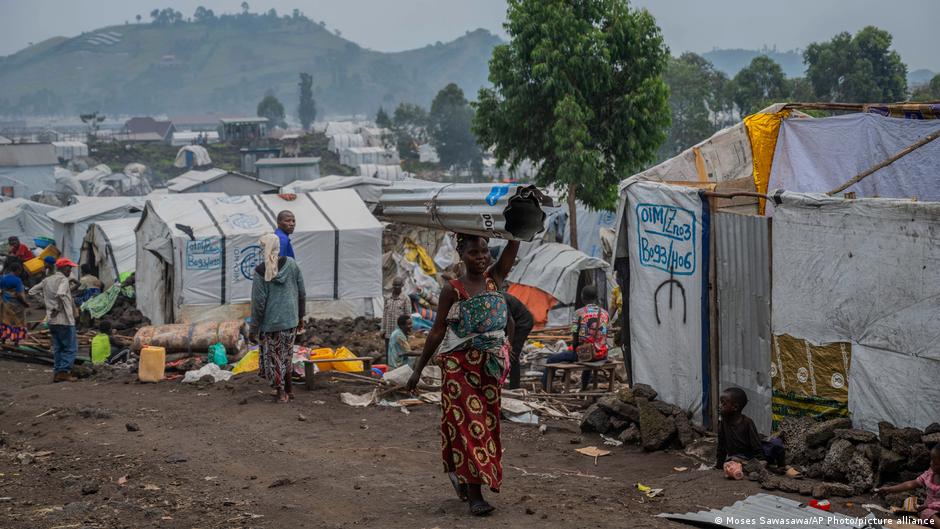
The loss of Kouakourou has triggered a mass exodus. Fearing violence and lacking protection, residents abandoned homes and farmlands, swelling the ranks of internally displaced persons in the Mopti region. Overstretched local communities now struggle to absorb the influx, deepening an already critical humanitarian crisis.
Can advanced weaponry turn the tide?
The situation in Mali presents a paradox: while Bamako secures its supply routes and receives modern military hardware, the JNIM continues to carve out swathes of territory and disrupt secondary supply lines. The newly arrived Russian equipment could bolster the FAMa and Africa Corps’ firepower, but the real test lies in translating these deliveries into lasting territorial gains. The coming weeks will reveal whether Mali’s strategic realignment can translate into tangible victories on the ground—or if the terror threat will continue its relentless expansion.

 Boureima Amadou