Mariama Hamani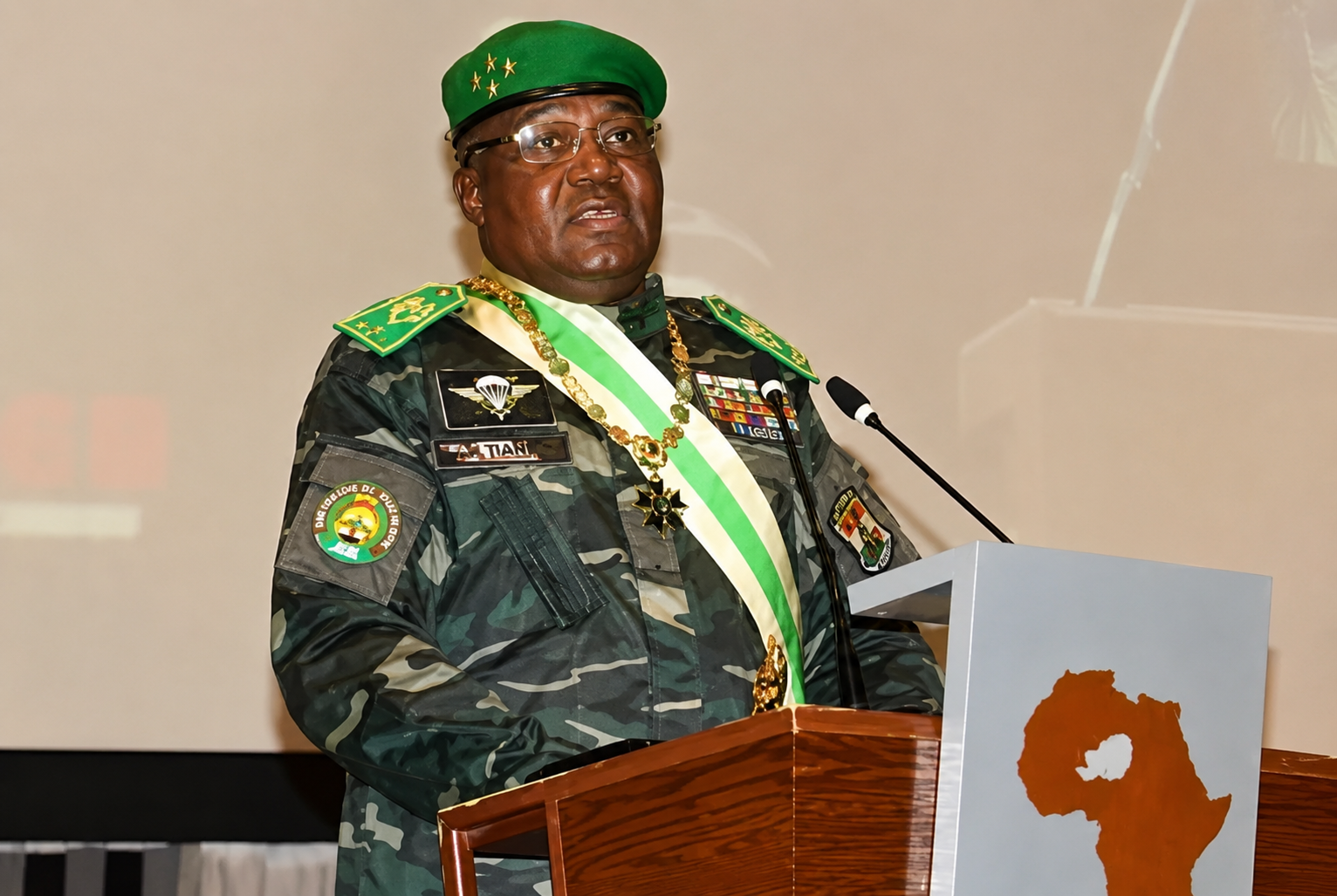
Three years have passed since Niger’s military leadership seized power in July 2023, a pivotal moment that was supposed to restore national sovereignty, strengthen security, and revive the economy. Yet, as the junta marks this anniversary, the nation remains trapped in a cycle of political paralysis, economic hardship, and deepening uncertainty for its citizens.
Economic instability fuels widespread hardship
The fallout from the political transition has left Niger’s economy reeling. Trade disruptions with neighboring countries, erratic supply chains, and the withdrawal of foreign investments have crippled key industries. Businesses, from small vendors to large enterprises, have scaled back operations or shut down entirely, shrinking employment opportunities across the country.
The financial strain is most acutely felt in local markets, where the cost of essential goods—from food staples to fuel—has surged. Households are grappling with eroding purchasing power, forcing families to make difficult choices between necessities. Farmers, traders, and local governments alike struggle with restricted access to credit and financial resources, stifling growth and innovation.
Civic freedoms shrink under tightening control
Human rights advocates warn of a tightening grip on civic space, where dissent is increasingly met with legal repercussions. Independent media outlets operate under heightened scrutiny, with journalists facing intimidation and legal threats for critical reporting. Public gatherings and political rallies are tightly regulated, limiting the ability of opposition groups and civil society to voice concerns.
For many citizens, the growing climate of caution has led to self-censorship, while others have chosen exile to escape repression. The shrinking space for open dialogue raises concerns about the long-term health of Niger’s democratic institutions.
Security challenges persist despite military promises
The junta’s rise to power was justified, in part, by the need to combat terrorism and restore stability. However, armed group attacks continue to plague border regions, displacing communities and disrupting daily life. Civilians in these areas face constant threats, with schools, markets, and agricultural activities repeatedly disrupted.
The persistence of violence has sparked doubts about the effectiveness of the current security strategy. Many question whether the military-led approach is delivering the promised protection or merely deepening the country’s vulnerabilities.
Government’s narrative fails to address growing discontent
A recent televised address by General Abdourahamane Tiani highlighted the regime’s struggle to present tangible solutions. Instead of outlining concrete steps to address economic or security woes, the speech notably emphasized external threats, attributing the nation’s challenges to foreign interference.
Analysts argue that this defensive posture underscores the government’s difficulty in demonstrating progress on the issues that originally justified its takeover. As frustrations mount, public trust in the junta’s ability to deliver on its promises continues to wane.
A leadership vacuum with no end in sight
The absence of a clear timeline for a return to civilian rule has left Niger’s political future in limbo. Political parties operate with limited influence, and public discourse remains constrained. The concentration of power in military hands has fueled fears of a prolonged departure from democratic norms and citizen participation.
Three years into the transition, the gap between the junta’s stated goals and the reality on the ground grows ever wider. For Nigeriens, the most pressing concerns are no longer political debates but the urgent need for economic relief, security, and sustainable living conditions.
The calls for accountability, dialogue, and actionable solutions grow louder with each passing day, as the population seeks a path forward amid unrelenting hardship.

 Boureima Amadou