Mariama Hamani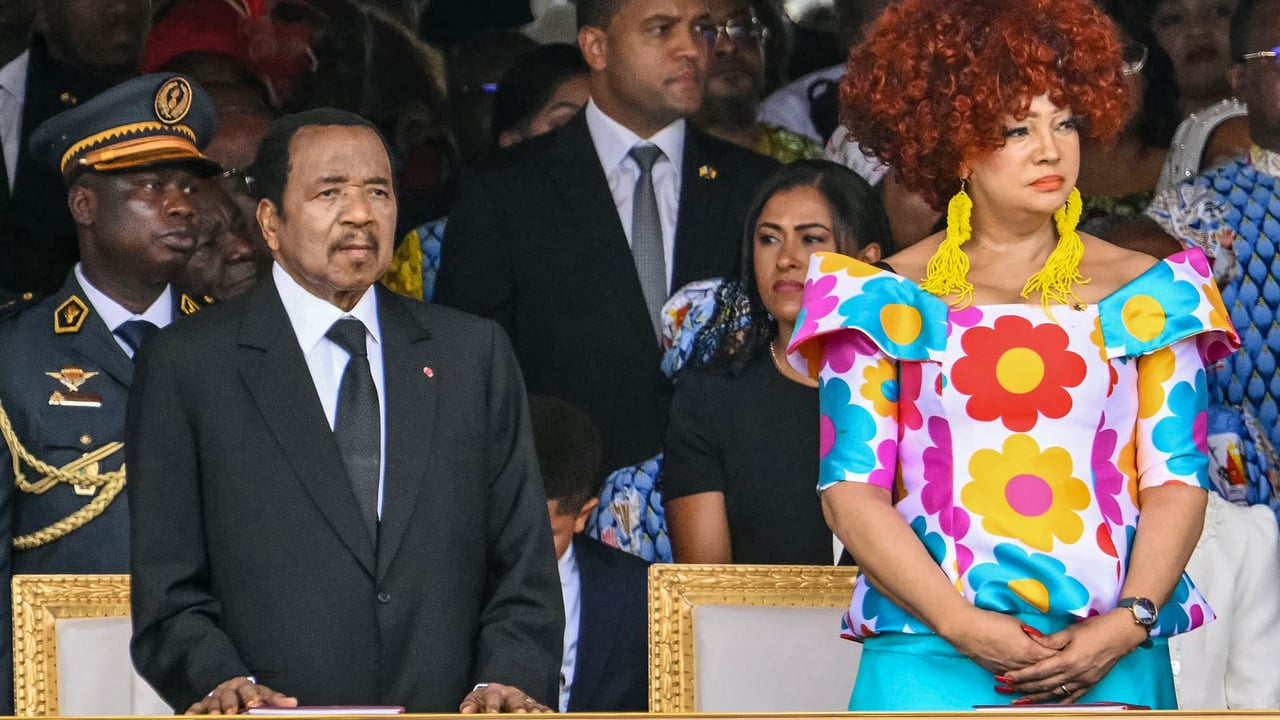
Cameroon’s President Paul Biya has concluded an unprecedented stay in Switzerland, a visit that has sparked renewed debate about the durability of his decades-long rule. The 90-year-old leader’s extended absence from domestic affairs has fueled speculation about his health and the future of governance in the Central African nation.

The Swiss sojourn, now the longest international trip of Biya’s 45-year presidency, has raised eyebrows among political observers. While official statements emphasize medical check-ups and rest, critics question the timing of such a prolonged absence amid ongoing security challenges and economic pressures. The President’s First Lady Chantal Biya and family members accompanied him, adding to the intrigue surrounding the nature of the visit.
Unprecedented duration sparks speculation
Biya’s current Swiss retreat follows a pattern of extended stays abroad, particularly during periods of heightened domestic scrutiny. This latest visit has surpassed all previous trips in length, prompting discussions about the leadership vacuum in Cameroon. The President’s advanced age and the absence of clear succession planning have intensified discussions about the country’s political trajectory.
Opposition figures and civil society groups have been vocal about the need for transparency regarding Biya’s health and ability to govern. Meanwhile, government officials maintain that the President remains fully in control of national affairs despite his physical absence from Yaoundé.
Domestic reactions and international implications
The prolonged absence has not gone unnoticed in Cameroon’s political landscape. While state media continues to broadcast official appearances through pre-recorded messages, the lack of fresh public engagements has fueled rumors about the President’s condition. International partners have reportedly expressed concerns through diplomatic channels, though no official statements have been made.
In Yaoundé’s political circles, the extended Swiss stay has become a topic of heated debate. Some analysts suggest that Biya’s presence abroad may be strategic, allowing trusted aides to manage day-to-day governance while maintaining plausible deniability on sensitive decisions. Others argue that such prolonged absences undermine the legitimacy of a government that has maintained power through successive elections criticized by international observers.
Looking ahead: questions without answers
The coming weeks will likely bring either a resolution to the speculation or further escalation. Cameroonians and international observers alike await concrete information about President Biya’s health and future plans. In the meantime, the record-setting Swiss retreat has become more than a personal journey—it has emerged as a symbol of the ongoing governance challenges facing Cameroon under Africa’s longest-serving leader.


 Boureima Amadou