
mayo-tsanaga crisis: boko haram’s reign of terror and state neglect
Over 50 abandoned villages, thousands displaced, and a state that turns a blind eye
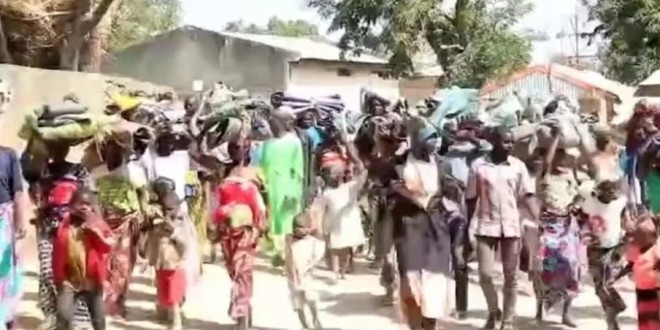
What began as a distant threat in the early 2000s has now engulfed Cameroon’s Mayo-Tsanaga region, where Boko Haram’s brutal tactics have reshaped life forever. The insurgency, which originated in Nigeria’s Borno State, crossed borders in 2014, striking first at Mount Gossi in the village of Tourou, just 35 kilometers from Mokolo.
For over a decade, the region has endured relentless attacks—burning homes, mass killings, abductions, and systematic destruction of infrastructure. Schools, health centers, markets, and security posts have all become targets. The result? A landscape of emptied villages, scarred earth, and a population trapped in perpetual fear. Despite the devastation, the response from authorities remains woefully inadequate.
The scale of abandonment is staggering. More than 50 villages in Mayo-Tsanaga—including Gossi, Vizik, Ldamang, Magoumaz, Koza, and Locktcha—have been left in ruins, their inhabitants forced to flee. In May 2022, local leaders revealed that nearly a dozen villages had been completely deserted, while others faced frequent raids. Areas like Gossi, Toufou 1 & 2, and Roum have become strongholds for militants, with residents fleeing for their lives.
Nightfall brings no respite. As darkness falls, villagers retreat to caves and rugged terrain, sharing shelter with wildlife to avoid attacks. By dawn, they return to tend to fields or salvage what remains of their lives. The terror has erased normalcy—no one sleeps safely in their home, and the psychological toll is immeasurable.
Security forces, stretched thin, offer little protection. During a recent assault in Ldamang in June 2026, just two soldiers were present to defend the community against heavily armed assailants. With no reinforcements, civilians have been left to fend for themselves, relying on makeshift vigilance committees armed with little more than machetes.
The silence from political leaders is deafening. Despite high-profile visits and empty promises, no lasting solutions have materialized. Displaced families, now numbering over 9,000, languish in limbo, with hundreds more added each month. In early July 2026, authorities in Kalfou (over 200 kilometers from Mokolo) reported taking in 300 more displaced persons, underscoring how the crisis has spilled beyond regional borders.
The human cost is devastating. Families torn apart, children orphaned, and livelihoods destroyed. Homes—and the documents within—are reduced to ashes, leaving survivors without proof of identity or citizenship. For children and teenagers, the future is bleak: interrupted education, increased vulnerability to exploitation, and a growing risk of drifting into crime or early marriage.
The Mayo-Tsanaga is bleeding. Farmlands lie fallow, schools stand empty, and the local economy crumbles. Without urgent intervention, the region faces irreversible decline. The question lingers: How many more villages must vanish before this crisis is treated as a national emergency?


More Stories
Niger: Anatomy of a state narrative to conceal the regime’s fractures
Niger’s leader faces rift with special forces after Russian involvement
Crise au Niger, accord FMI-Sénégal, bataille électorale au Maroc… Les 5 infos qu’il ne fallait pas manquer