Boureima Amadou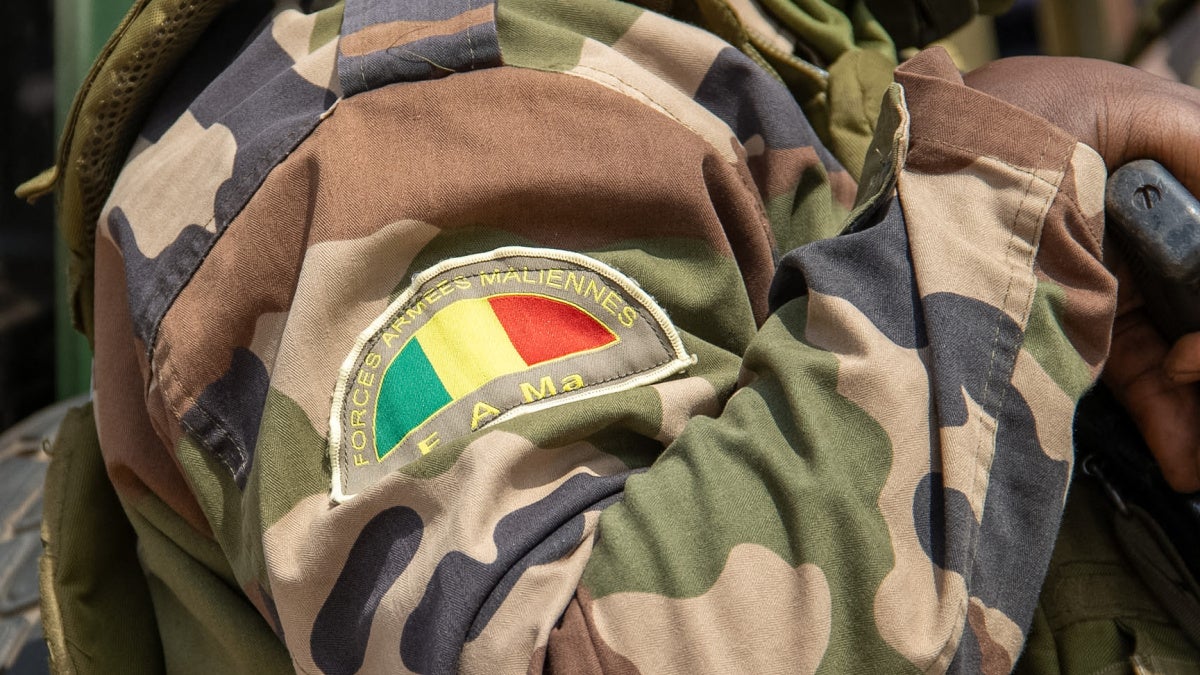
Mali: Military and allied militias accused of deadly raids in Ségou region
Villagers in two communities in central Mali have accused soldiers and allied militia fighters of executing at least 31 people and burning homes during early October raids, according to local accounts gathered in recent weeks.
On October 2, soldiers from the Malian Armed Forces joined by dozos—traditional hunters from the Bambara ethnic group who have supported counterinsurgency operations for ten years—entered the village of Kamona. Witnesses reported that the soldiers and militiamen forcibly gathered male residents and then executed at least 21 men. The attackers also set fire to more than ten homes before withdrawing. The village lies in an area controlled by the Group for the Support of Islam and Muslims (JNIM), an al-Qaeda-linked coalition that has been active in the region.
The raids followed warnings from JNIM fighters, who alerted villagers to the approaching military convoy. This allowed some residents to flee, but those who remained were targeted. A survivor described how soldiers and dozos “rounded up men and shot them without any form of trial.”
Local residents later found 17 bodies under a large tree and four more bodies to the north of Kamona. The victims included men aged between 20 and 65, all shot at close range. One witness, a 40-year-old herder who had hidden in an abandoned hut with his nine-year-old daughter, recounted discovering the bodies scattered around the tree. “They were riddled with bullets,” he said. “One man’s skull was shattered. Spent cartridges lay everywhere.”
Another villager, aged 39, helped bury the dead in a mass grave beneath the tree. “We found four more bodies farther north,” he said. “All had been shot in the stomach and head. We buried them in another grave and covered them with sand.”
Witnesses provided a list of the 21 identified victims but believe the actual death toll may be higher. “We heard that at least 15 other men were killed in the bush that day,” said one local. “But we were too afraid to go and check if the army returned.”
On October 13, soldiers and dozos launched a similar operation in the nearby village of Balle, about 55 kilometers from Kamona. Military vehicles arrived around 1 p.m., prompting some residents to flee immediately. A 24-year-old man who initially stayed behind recounted how soldiers went door-to-door, beating and kicking men before opening fire. “From my hiding place, I heard gunshots,” he said.
In total, soldiers and militiamen killed ten civilians—nine men aged 22 to 67 and a 55-year-old woman—before stealing over 100 cattle. A 33-year-old man discovered the bodies the next morning. “They lay next to each other, all shot,” he said. “Some had broken limbs.”
The slain woman’s 21-year-old daughter described how her mother confronted the soldiers, accusing them of abusing villagers. “She walked toward them,” the daughter said. “They took her to where the men had been gathered and shot her dead.”
Local residents said Balle has been under JNIM control for years. “We pay Islamic taxes as required,” one man explained. “Any disputes are settled by the jihadists. There are no soldiers, police, or gendarmes here. The army treats everyone as if they were JNIM fighters—no distinctions are made.”
Military officials have denied wrongdoing. In a statement released on October 14, the Chief of Staff of the Malian Armed Forces claimed that an “offensive reconnaissance” operation near Balle on October 13 resulted in the “neutralization” of about twenty “terrorists” and the seizure of weapons. However, witnesses and villagers insist that no armed clashes occurred in either village before or during the attacks.
The recent violence follows a series of JNIM assaults in the Ségou region, including an attack on a sugar factory in Siribala on August 8 that cut off a key supply route. These developments have intensified pressure on the Malian capital, Bamako, where fuel shortages and school closures have been reported since early September.
International humanitarian law prohibits attacks on civilians and the killing or mistreatment of detained individuals. Those responsible for war crimes may face prosecution under domestic or international law. Although Mali withdrew from the International Criminal Court (ICC) in September, it remains bound by the Rome Statute until September 2026. The ICC opened an investigation into alleged war crimes in Mali in January 2013.
The African Union has faced criticism for its limited response to the escalating conflict. Despite its mandate to promote peace and security, the AU’s Peace and Security Council has so far confined itself to issuing statements expressing concern. Analysts argue that stronger diplomatic efforts and coordinated regional action are needed to hold all parties accountable for abuses.
As investigations into these incidents continue, survivors and local leaders are calling for urgent action to end the cycle of violence and ensure justice for the victims.

 Mariama Hamani