Mariama Hamani
The world is at a turning point. Governments are no longer just warning about potential crises—they’re actively urging families to build emergency buffers. From stockpiling food and water to securing backup power sources, this isn’t about fear—it’s about preparedness in an age of unpredictability.
From cautionary advice to national policy
Once reserved for disaster-prone regions or extreme weather warnings, emergency stockpiling has evolved into a strategic imperative in many countries. Authorities are now framing it as a shared responsibility, where household reserves act as a first line of defense against supply chain disruptions, cyberattacks, or geopolitical shocks. The rationale is clear: when critical infrastructures falter, individual preparedness buys time for recovery.
Europe’s pivot: 72 hours to self-sufficiency
Across the continent, nations are formalizing emergency preparedness. Britain launched a national campaign urging households to maintain 72-hour supplies of water, non-perishable food, first aid kits, flashlights, and cash. The rationale? A single cyberattack or extreme weather event could paralyze supply chains, leaving communities without essentials for days.
Neighboring countries are following suit. Finland has expanded its national grain reserves to cover nine months of consumption, while Sweden, Poland, and the Baltic states are shoring up evacuation protocols, bomb shelters, and early-warning systems. The 2022 invasion of Ukraine served as a wake-up call—proving that even distant conflicts could trigger blackouts, transport shutdowns, and food shortages across Europe.
The Russian factor: testing NATO’s resolve
Western intelligence agencies warn that Russia may probe NATO’s unity through low-intensity actions—cyberattacks, sabotage, or energy disruptions. The goal isn’t necessarily an all-out war but strategic ambiguity: assessing whether allies will respond cohesively. While no imminent attack is expected, the message is unmistakable—citizens must be ready for temporary but severe disruptions.
What households should prioritize
- Water and non-perishable food (aim for 72+ hours’ worth)
- Emergency power (portable chargers, solar lanterns)
- Medical supplies (prescriptions, first aid kit)
- Cash (ATMs may fail during outages)
- Communication tools (battery-powered radio)
Middle East volatility: when energy arteries are at risk
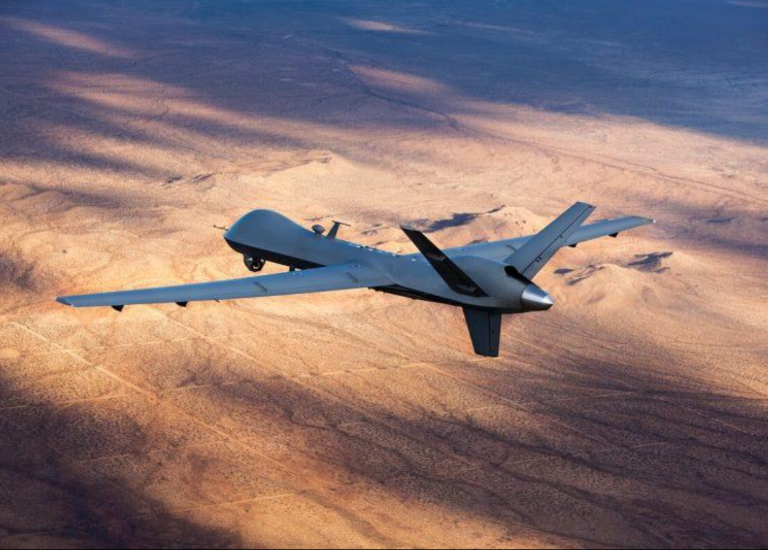
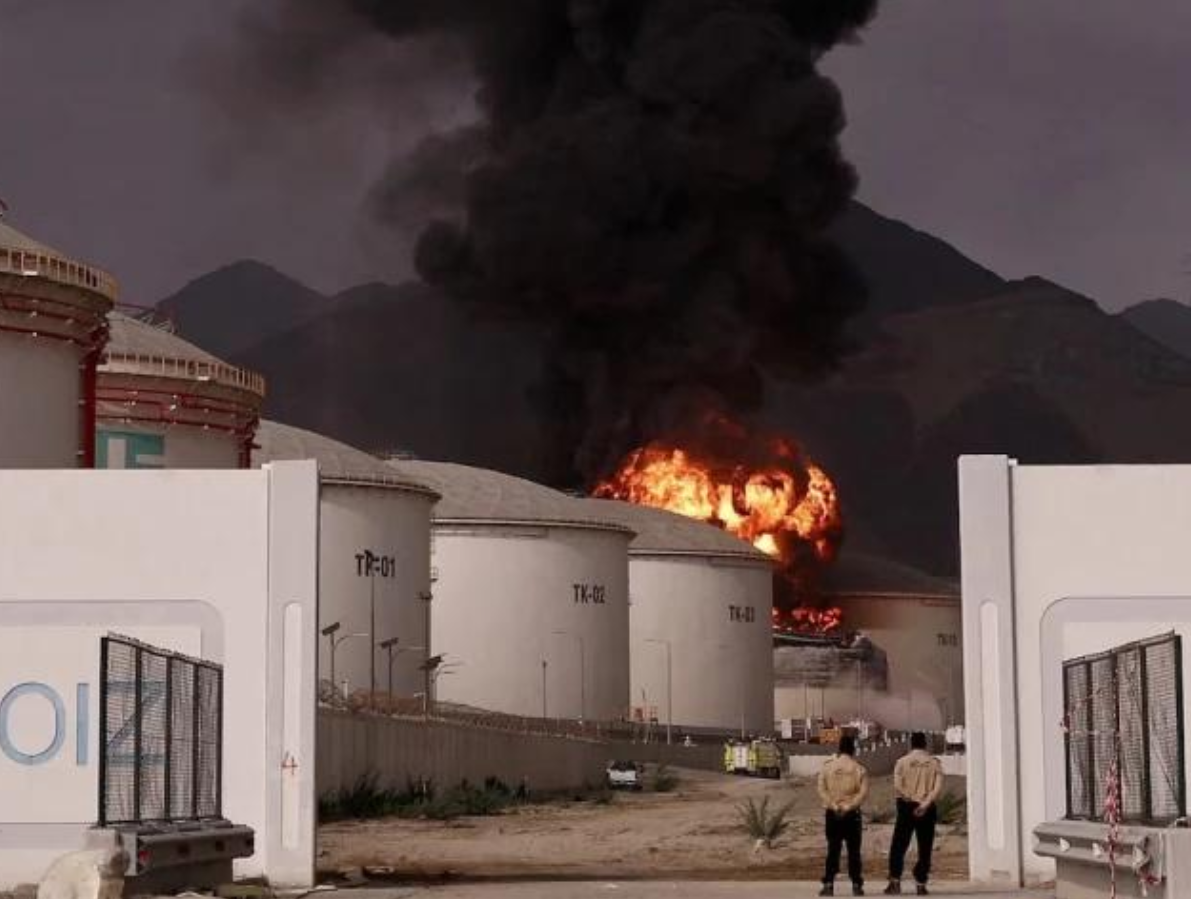
The Gulf region faces a different threat: the collapse of critical infrastructure due to regional conflicts. After retaliatory strikes between Iran and allied forces in 2026, UAE authorities reported missile threats and drone incursions allegedly originating from Tehran. The stakes? Oil pipelines, ports, and electricity grids—vital to global trade. A prolonged disruption could send energy prices soaring and trigger shortages of food and medicine.
For families in the region, this means dual preparedness: stocking essentials while staying attuned to official alerts for potential evacuations or shelter-in-place orders.
Asia’s shifting alliances: a domino effect of instability?
China’s renewed collaboration with North Korea adds another layer of complexity. The reopening of a key border bridge and high-level diplomatic visits signal tighter economic and military ties—raising concerns about coordinated provocations in the Pacific. While a direct conflict remains unlikely, the message is clear: regional flashpoints are multiplying.
Preparation as empowerment, not fear
The shift in approach is subtle but profound. Governments are no longer asking citizens to prepare for the unthinkable—they’re treating it as inevitable variability. The new doctrine? Resilience is a shared burden. Families stock up not out of panic, but to ensure continuity during blackouts, transport halts, or cyber disruptions.
NATO’s 2026 resilience guidelines underscore this: energy security, food reserves, and water access are now national priorities. For households, the takeaway is simple—a few days of supplies and a plan can make the difference between chaos and controlled adaptation.
The era of relying solely on governments for survival is fading. Today, the strongest shield may be the one you build yourself.
Your role in the new normal
Building an emergency kit isn’t about expecting disaster—it’s about reducing your vulnerability in an unpredictable world. Start small: assess your needs, prioritize essentials, and update your plan regularly. In a landscape where crises emerge from cyber threats, energy shocks, or regional conflicts, preparedness isn’t optional—it’s strategic.