Boureima Amadou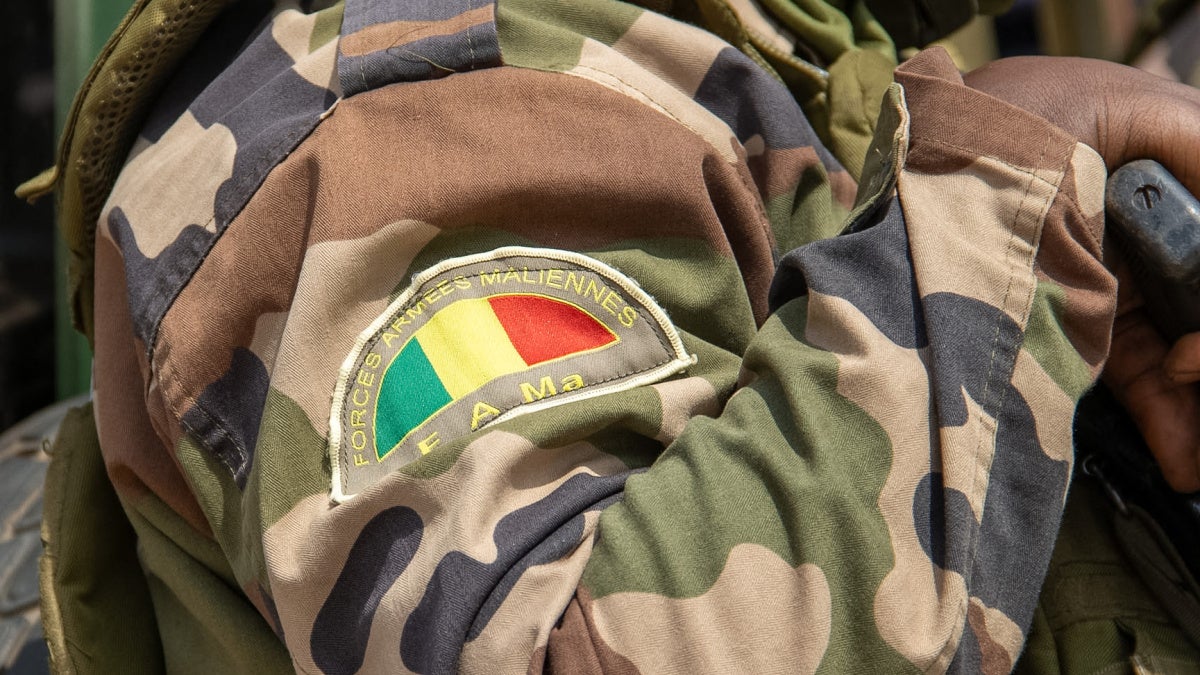
Armed Forces and Dozos Accused of Targeting Civilians in Central Mali
The Malian Armed Forces, alongside allied militias known as Dozos, stand accused of executing at least 31 civilians and burning homes in two villages in the Ségou region during early October, according to field reports.
Village of Kamona: Mass Executions on October 2
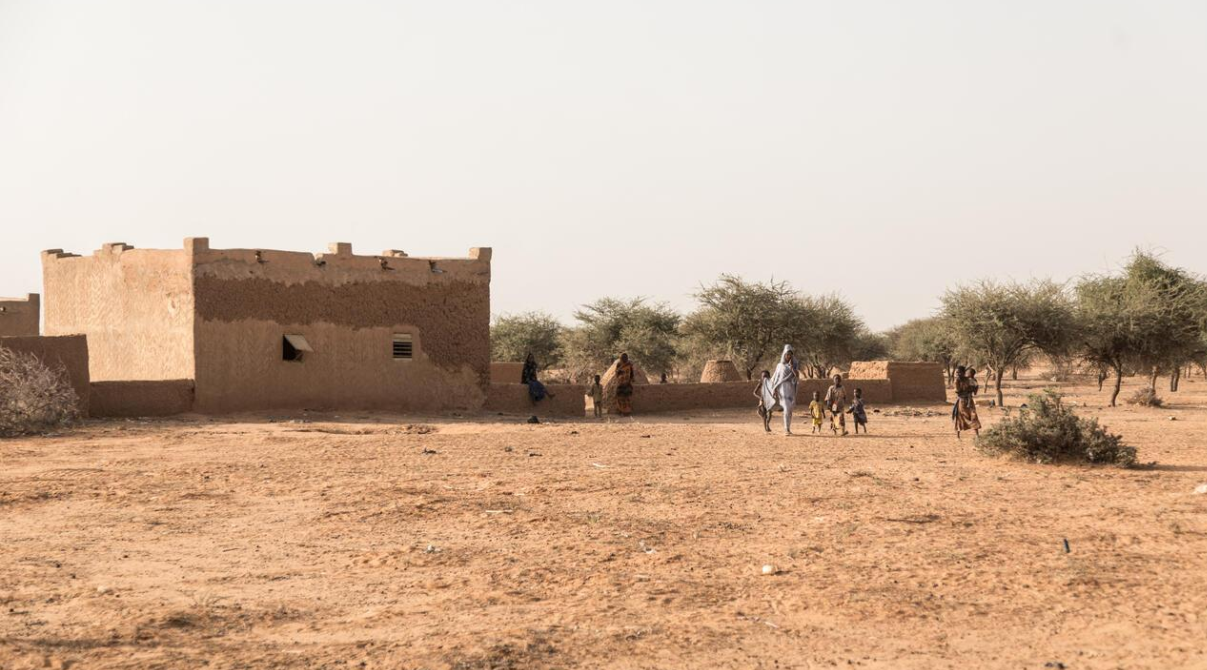
On the morning of October 2, soldiers in at least seven pickup trucks and three armored vehicles, accompanied by Dozo militiamen on motorcycles, entered the village of Kamona in central Mali. Witnesses reported that the Jama’at Nusrat al-Islam wal Muslimeen (JNIM), an Al-Qaeda-linked armed group, had alerted villagers of the approaching forces, prompting many to flee. Those unable to escape were rounded up and executed, survivors said.
The attackers, identifiable by their camouflage uniforms and traditional Dozo attire, set fire to at least 10 homes and three storage huts belonging to Fulani residents. A 40-year-old shepherd, who had hidden in an abandoned house with his 9-year-old daughter, later discovered 17 bodies under a tree. “The victims had been shot at close range,” he recounted. “One man’s head was completely shattered. Spent bullet casings lay scattered around the bodies.”
The community compiled a list of 21 male victims aged 20 to 65, though locals believe additional casualties may have occurred in the surrounding bush. “We heard reports of at least 15 other men killed that day,” a villager stated, “but we didn’t go to confirm for fear the army would return.”
Balle Village: Another Brutal Attack on October 13
Thirteen days later, soldiers and Dozos launched a similar assault on Balle, a village roughly 55 kilometers from Kamona. At least 10 civilians—nine men aged 22 to 67 and a 55-year-old woman—were killed in the raid, alongside the theft of over 100 cattle. Survivors described soldiers going door-to-door, assaulting male residents and opening fire on those gathered outside.
A 33-year-old man recounted finding the bodies in the village center: “They lay side by side, riddled with bullets. Some had broken limbs.” The woman’s daughter, aged 21, shared how her mother confronted the soldiers before being shot: “She accused them of mistreating the villagers. They dragged her to where the men were held and executed her.”
Locals reported that Balle had been under JNIM control for years. “We’ve paid zakat to them annually,” one resident explained. “Any disputes are settled by the jihadists. There are no soldiers, gendarmes, or police here. The army assumes we’re all JNIM fighters—no distinction is made.”
Accountability and International Law
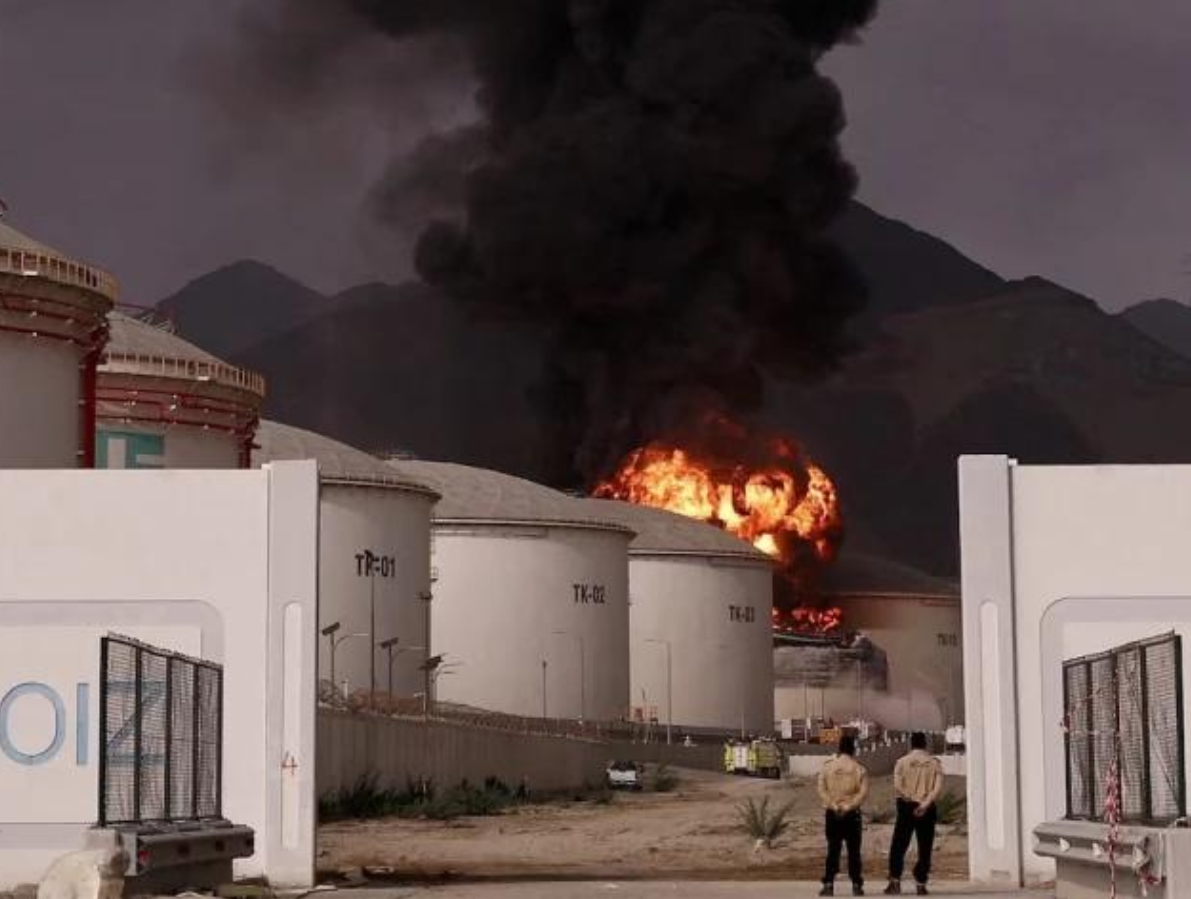
Both incidents followed a surge in JNIM attacks targeting Bamako, Mali’s capital, beginning in early September. The siege cut off fuel supplies to the city, forcing the military junta to temporarily shutter all schools and universities. Under international humanitarian law, all parties to the conflict—including state forces and allied militias—are prohibited from targeting civilians or committing executions, torture, or other war crimes.
While Mali withdrew from the International Criminal Court (ICC) in September 2025, it remains bound by the Rome Statute until September 2026. The ICC opened an investigation into alleged war crimes in Mali in 2013, though accountability efforts have stalled amid ongoing violence.
Human rights advocates urge regional bodies like the African Union (AU) to prioritize the conflict, warning that without decisive action, abuses by both state forces and armed groups will continue unchecked. “The AU’s Peace and Security Council must convene urgent sessions, strengthen diplomatic pressure, and coordinate regional and international responses,” said a regional analyst. “Accountability is long overdue.”