Mariama Hamani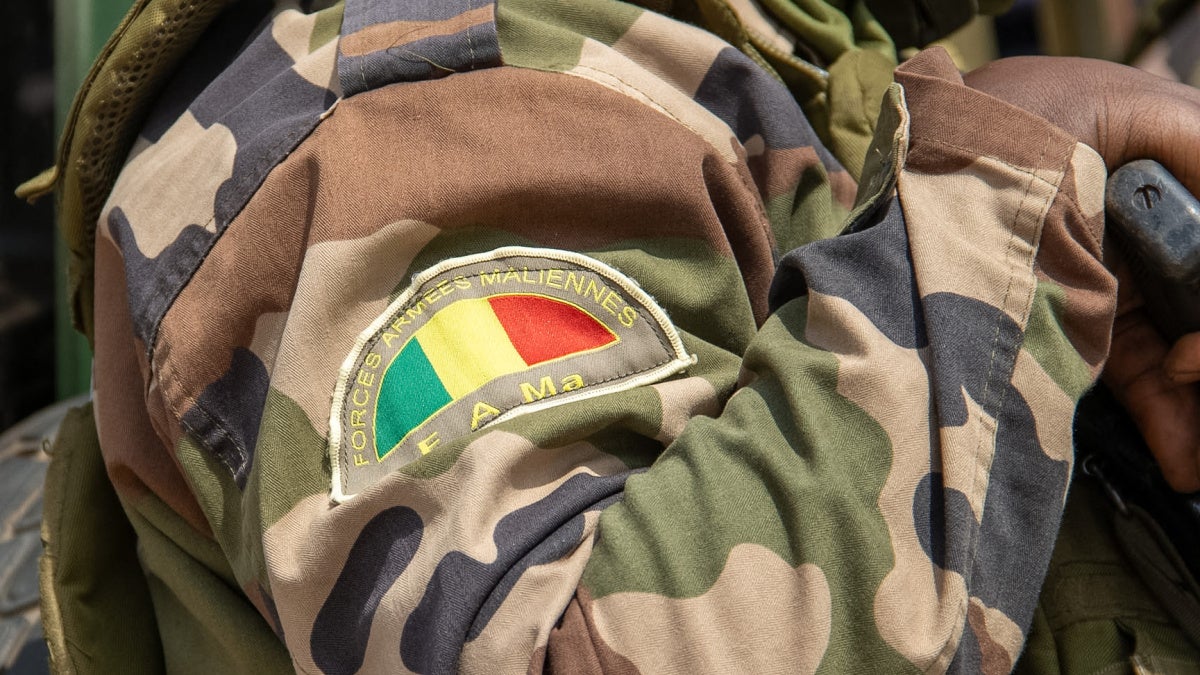
Deadly raids in central Mali leave at least 31 civilians dead
Mali’s armed forces and allied Dozos militias stand accused of orchestrating a series of deadly raids in the conflict-stricken Ségou region, resulting in the deaths of at least 31 villagers between October 2 and 13. Survivors and local leaders describe horrific executions, widespread arson, and systematic theft, painting a grim picture of unchecked military operations in areas under insurgent control.
Villagers targeted in coordinated attacks
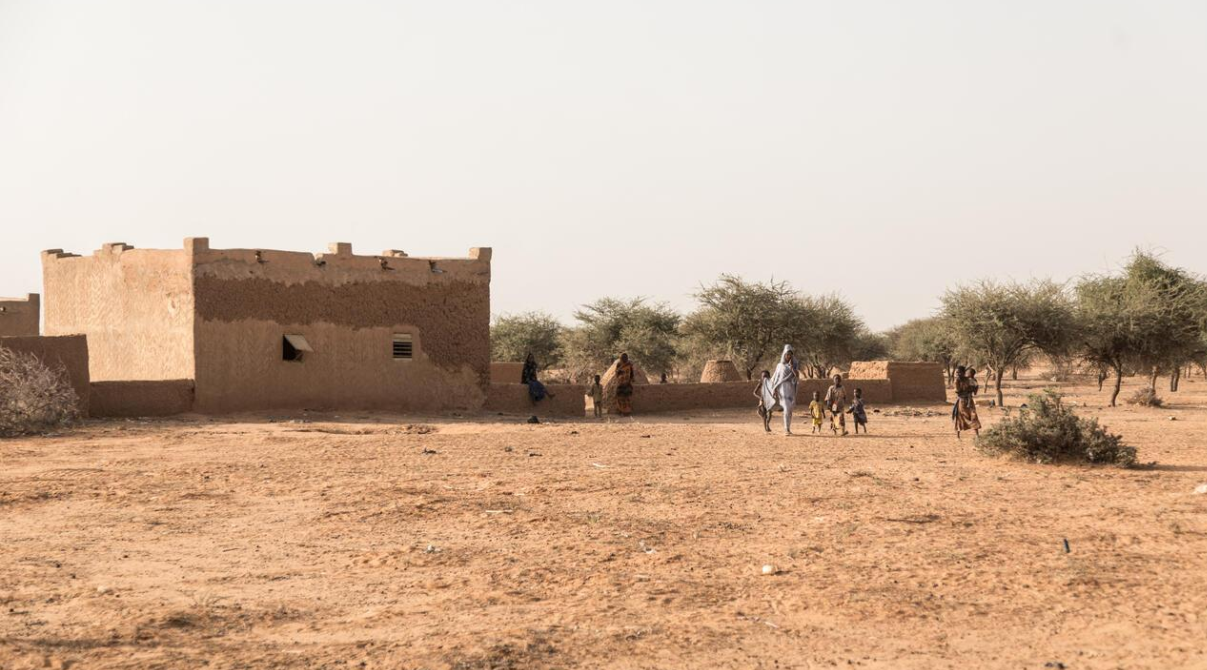
On October 2, joint forces comprising Malian soldiers and Dozos—traditional hunters predominantly from the Bambara ethnic group—stormed the village of Kamona, killing at least 21 men and setting fire to 10 homes. Witnesses recount how armed men, identifiable by their camouflage uniforms and traditional amulets, forcibly gathered and executed unarmed civilians after accusing them of collaborating with the Group for the Support of Islam and Muslims (GSIM), an Al-Qaeda-linked insurgent faction controlling the area.
Survivors recount chilling details of the assault: villagers who failed to flee were systematically rounded up and shot. One survivor described the scene: « Those who couldn’t escape were herded together and slaughtered. » Local accounts confirm that GSIM fighters had already withdrawn from the village before the military arrived, ruling out any direct confrontation.
The aftermath revealed 17 bodies beneath a large tree and four more scattered north of the village. Homes belonging to the Fulani ethnic group were torched, and stolen livestock were later discovered. A 40-year-old herder, who had hidden with his 9-year-old daughter, recounted discovering the bodies: « The people had been riddled with bullets. One man’s head was completely crushed. Spent cartridges littered the ground. »
Second massacre leaves 10 dead in Balle
Thirteen days later, on October 13, a similar operation unfolded in Balle, 55 kilometers from Kamona. Soldiers in five pickup trucks and Dozos on at least 30 motorcycles descended on the village, triggering panic among residents. A 24-year-old man who initially stayed behind witnessed the violence unfold: « I didn’t flee immediately, but when I saw soldiers going door-to-door, striking and kicking men, I ran. From my hiding place, I heard gunshots. »
The attack claimed the lives of 10 civilians, including a 55-year-old woman, and nine men aged 22 to 67. The militants also looted over 100 cattle before departing. The victims’ bodies were found strewn across the village, some with broken limbs. A 33-year-old man described the grim discovery: « The bodies lay side by side, riddled with bullets. Some had shattered legs and arms. »
The victim’s 21-year-old daughter recounted her mother’s final moments: « She confronted the soldiers, accusing them of abusing the villagers. They dragged her to where the men had been gathered and shot her. »
Military denies accusations, but locals refute claims
In an October 14 statement, Mali’s Chief of Army Staff claimed the October 13 operation was an « offensive reconnaissance » mission that « neutralized around twenty terrorists » and seized military equipment. However, residents of Balle dispute this narrative, asserting that the village has been under GSIM control for years. « We pay zakat to them every year, » one villager explained. « If disputes arise, the jihadists resolve them. There are no soldiers, gendarmes, or police here. The army doesn’t distinguish between us and them. »
This pattern of violence reflects a broader trend of military operations in central Mali, where GSIM has escalated attacks, including a brazen assault on the Siribala sugar factory in August. The ongoing conflict has displaced over 400,000 people since 2012, with civilians bearing the brunt of abuses committed by both state forces and insurgent groups.
Call for accountability amid escalating violence
International humanitarian law strictly prohibits attacks on civilians, summary executions, and cruel treatment of detainees. Violations with criminal intent or under command responsibility may constitute war crimes. While Mali withdrew from the International Criminal Court (ICC) in September, the country remains bound by the Rome Statute until September 2026, and the ICC retains jurisdiction over crimes committed during its membership.
The African Union has faced criticism for its limited response to the crisis, despite its mandate to promote peace and security. Analysts urge the African Union Peace and Security Council to prioritize Mali, advocating for stronger diplomatic efforts, coordinated regional action, and consistent accountability mechanisms to address abuses by all parties involved.
As the conflict intensifies, the plight of civilians in central Mali remains dire, with no end in sight to the cycle of violence and impunity.

 Boureima Amadou