Mariama Hamani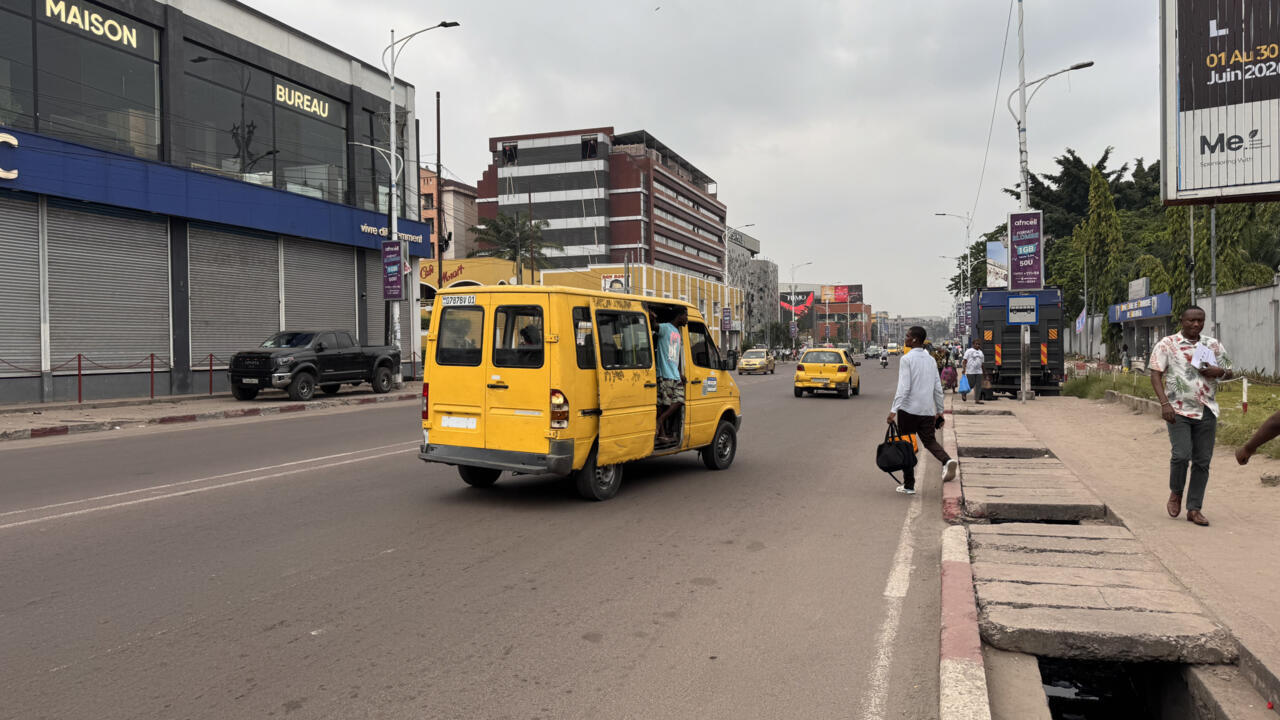
Kinshasa’s quiet defiance: assessing the drc opposition’s ‘ghost town’ protest
The Democratic Republic of Congo’s opposition recently orchestrated a highly anticipated “ville morte” or ‘ghost town’ day in Kinshasa. This strategic maneuver aimed to galvanize public dissent against any potential constitutional amendments. The crucial question remains: did this bold tactic achieve its desired impact? We delve into the effectiveness of this protest, its implications for the political landscape, and what might lie ahead in this ongoing power struggle with the ruling authorities.
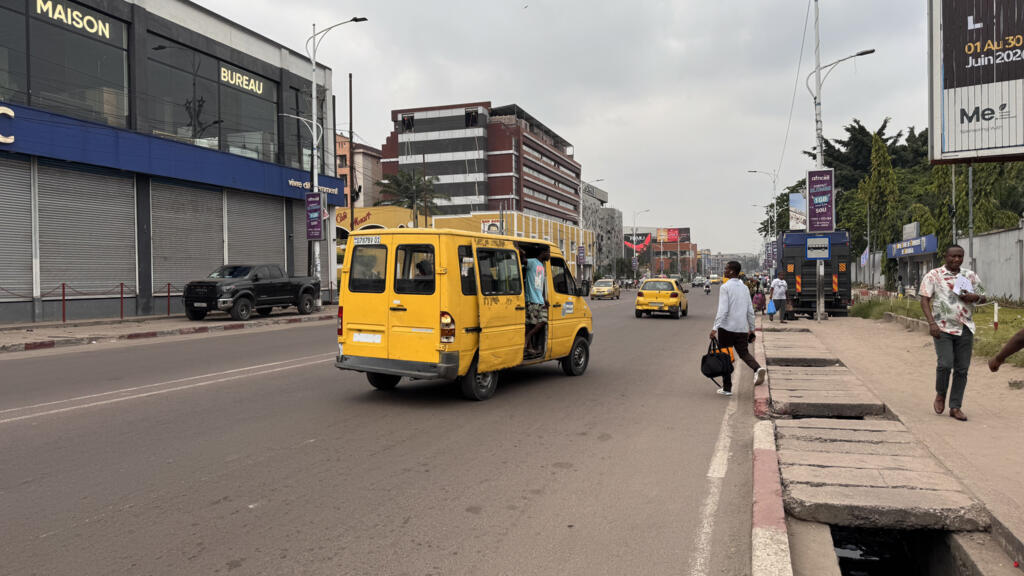
On the designated protest day, observers noted a visibly reduced level of activity in Kinshasa’s city center. Sparse traffic, as captured on June 3, 2026, suggested that a significant portion of the population heeded the opposition’s call for a “ville morte.” This collective action aimed to send a clear message to the government regarding its rumored intentions to alter the national constitution. Such a change could potentially extend term limits or otherwise consolidate power, a prospect fiercely resisted by opposition factions and a segment of the populace.
The success of this strategy, however, remains a subject of intense debate. While the visual evidence points to a degree of public participation, the long-term impact on the political dialogue and the government’s stance on constitutional reform is yet to be fully determined. The opposition’s gamble relies on sustained pressure to force a reconsideration of any proposed changes. As the Democratic Republic of Congo navigates these complex political currents, the “ghost town” day serves as a critical barometer of public sentiment and the ongoing struggle for political reform in the heart of Africa.
The coming weeks will reveal whether this demonstration of popular will translates into concrete policy shifts or if the power struggle between the opposition and the government will escalate further. The future of African governance in the DRC hinges on these developments, making this a key moment in African current affairs.


 Boureima Amadou