Mariama Hamani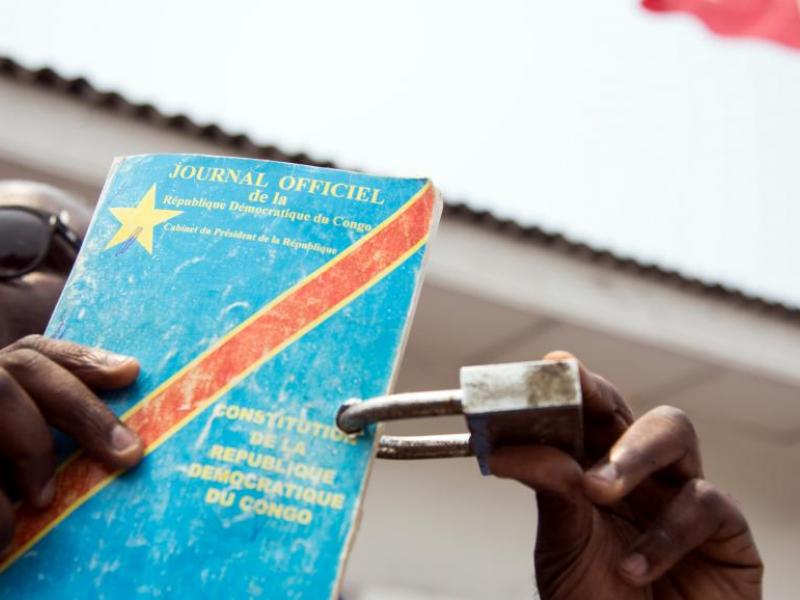
A prominent youth organization in Kinshasa, “La nouvelle génération congolaise” (The New Congolese Generation), convened a press briefing on Wednesday, June 3rd, to address the ongoing debate surrounding constitutional amendments in the Democratic Republic of Congo. This crucial discussion has significantly polarized the nation’s political landscape.
While affirming that contemplating changes to the Constitution is a fundamental right, not an offense, the New Congolese Generation outlined three essential prerequisites for considering any constitutional overhaul: “a clearly demonstrated necessity, a sufficiently broad national consensus, and a calm political environment.”
Mukenge Totoro, the spokesperson for the New Generation, emphasized, “Before taking a stance for or against, we have a duty to ask pertinent questions: Why change the Constitution now? What specific issues does this amendment aim to resolve? How will this reform tangibly improve the lives of Congolese citizens? Who stands to benefit most: the Nation or particular political actors? How can we guarantee that this reform will strengthen democracy rather than serve private interests? Until these critical questions receive unambiguous, open, and compelling answers, the discourse will persist in fostering distrust and fragmentation.”
Considering the power dynamics between the ruling majority and the opposition, this youth collective articulated its core priorities, which include safeguarding the Republic, ensuring national stability, and prioritizing the welfare of the Congolese populace.
Furthermore, the New Generation urged young people to reject being viewed merely as an electoral reserve or a tool for mobilization serving external interests. Instead, they called upon the youth to “evolve into a force for critical thought, constructive proposals, civic oversight, and national transformation.”
Regarding the “ville morte” (dead city) protest day, which commenced on Wednesday following the opposition’s call, the New Congolese Generation recognized it as a constitutionally protected right to express grievances. The organization believes the Democratic Republic of Congo requires both a constructive and a challenging opposition. Nevertheless, it encouraged all stakeholders to embrace paths of “dialogue, innovative ideas, and meaningful reforms.”

 Boureima Amadou