Mariama Hamani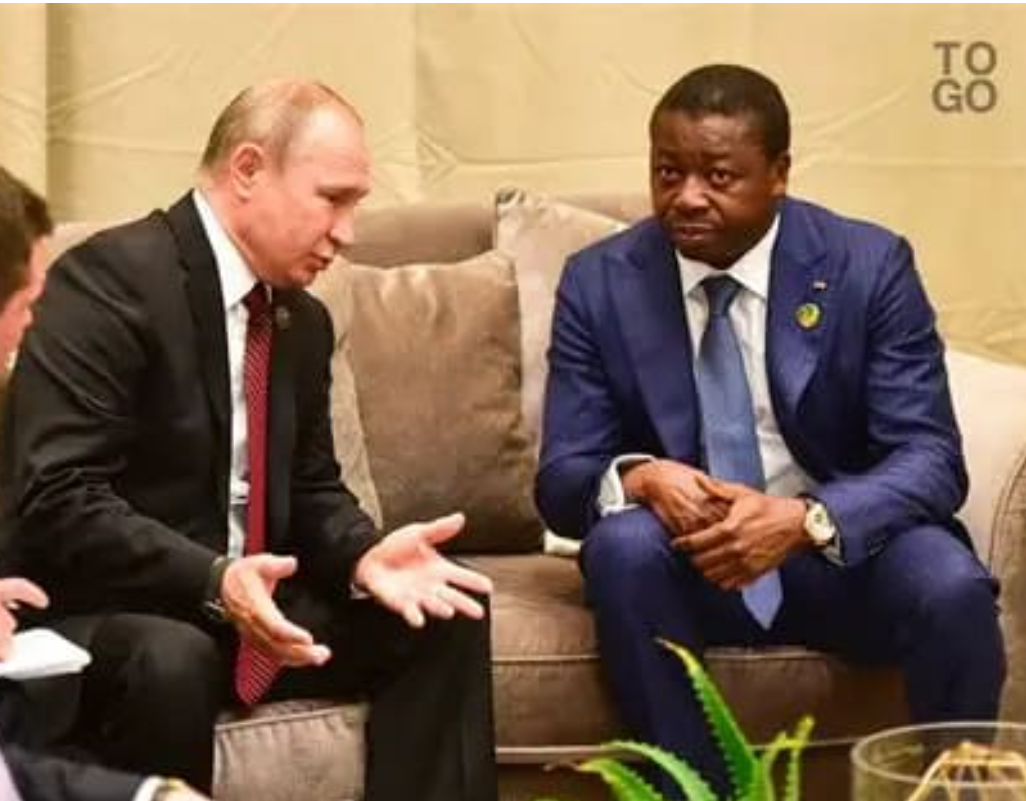
As Russian military operations across the Sahel Alliance face mounting setbacks, Moscow is quietly shifting its focus toward the Gulf of Guinea. Through its acceptance of vessels from Russia’s shadow fleet and the unchecked growth of Kremlin-backed cultural and religious influence, the autocratic regime of Faure Gnassingbé is positioning Togo as a critical logistical and political hub for West Africa.
Lomé emerges as a key port for sanctions-evading vessels
The Port of Lomé, the region’s sole deep-water harbor, is no longer just a commercial crossroads—it is rapidly becoming a linchpin in Moscow’s sanctions-evasion and wartime logistics network. Recent calls by the Britnev-linked cargo ship and the highly scrutinized Baltic Leader off West African waters have raised red flags among maritime and geopolitical analysts. These vessels, often flying flags of convenience or tied to the Kremlin’s shadow fleet, transport strategic equipment, raw minerals, and energy resources that slip past Western embargoes undetected. By granting these ships access to its maritime infrastructure, the Togolese government provides Russia with a direct gateway into the heart of West Africa.
Secret deals and Sahel survival strategies
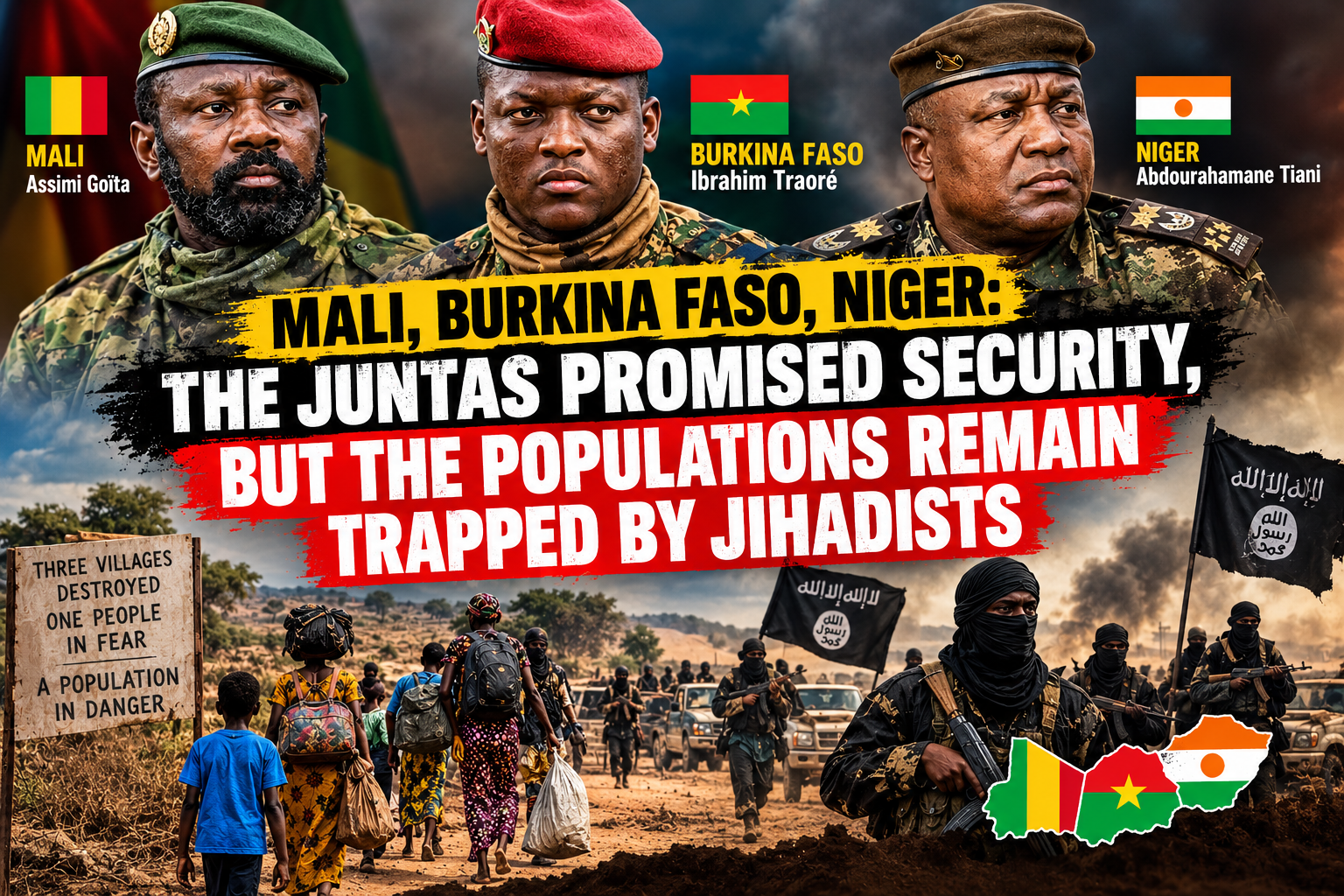
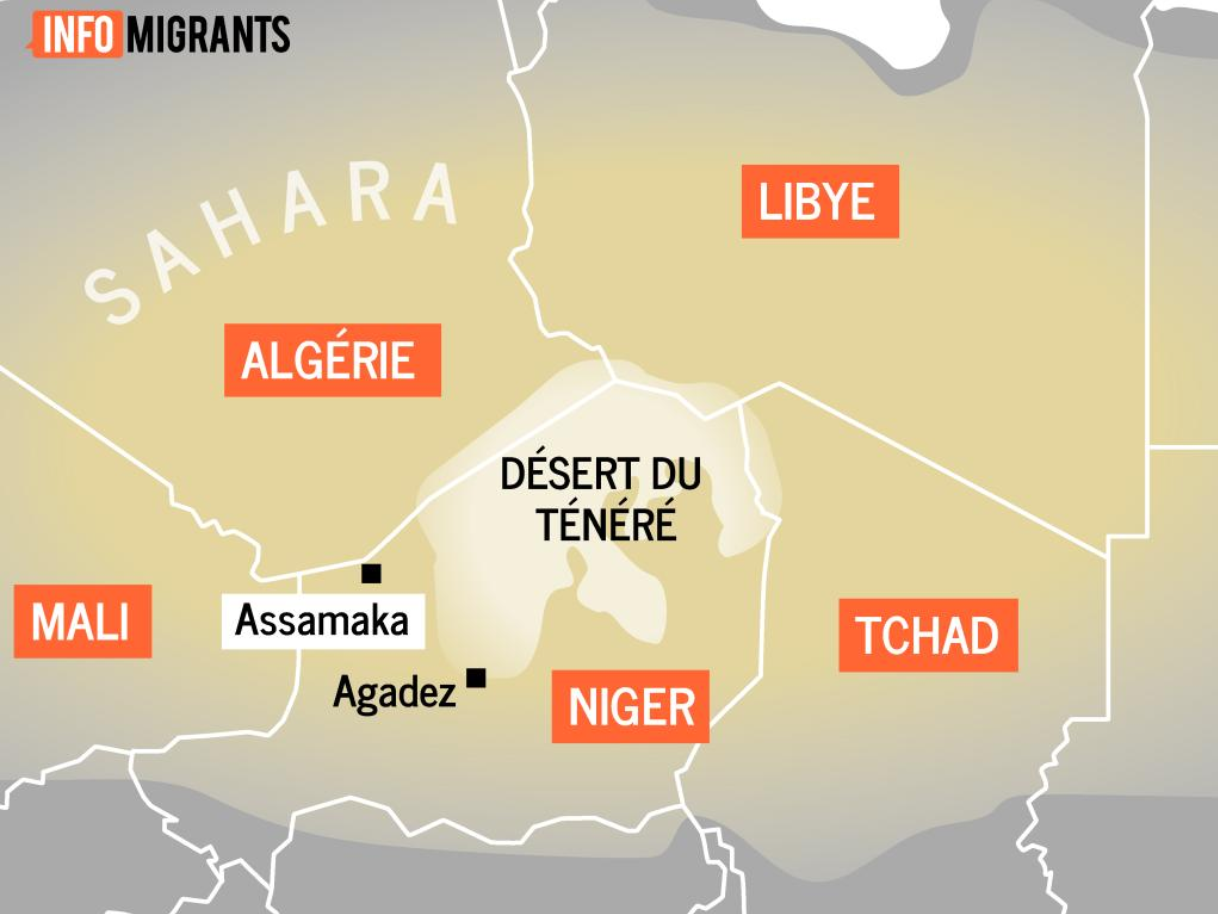
This naval diplomacy is no coincidence. It coincides with a pivotal moment for Russian influence in West Africa, where Wagner Group—now rebranded as Africa Corps—has suffered strategic failures in Mali, Burkina Faso, and Niger. Despite promises of security, Russian mercenaries have faced devastating ambushes and heavy losses, eroding their credibility. With its Sahel operations in disarray, Moscow is seeking safer supply routes and alternative channels to sustain its allies. What the Kremlin seeks in Lomé is a stable maritime foothold, far from the conflict zones of the Sahel, enabling smooth resupply for coup-led regimes while brokering covert agreements. These clandestine deals reportedly involve untraceable mining concessions, unmonitored arms contracts, and high-level security guarantees exchanged between Moscow and the Gnassingbé clan.
Gnassingbé’s authoritarian grip paves the way for Kremlin influence
Togo’s appeal to Russian strategists lies in its perfect conditions for Kremlin-style influence operations: a hyper-centralized government, a tightly controlled democracy, and a suppressed opposition. Faure Gnassingbé, who inherited power in 2005 after decades of iron-fisted rule by his father, has further tightened his grip through a controversial constitutional overhaul. This change shifts the country from a presidential to a parliamentary system, effectively granting him indefinite rule under a new title. For a regime frequently criticized by human rights groups for suppressing dissent, banning protests, and jailing opponents, the partnership with Russia offers a lifeline. Unlike Western partners or financial institutions, Moscow imposes no demands for human rights compliance, budget transparency, or democratic elections.
Cultural encirclement: propaganda, faith, and soft power
Russia’s offensive in Togo extends beyond covert shipping and financial deals. It unfolds through an aggressive soft power campaign designed to shape public opinion and entrench Moscow’s presence. This strategy relies on a cultural and associative blitz, with Russian cultural centers, exhibitions, and language courses serving as recruitment hubs and anti-Western propaganda platforms. Complementing this is a targeted religious expansion, as the Russian Orthodox Church’s Patriarchal Exarchate for Africa establishes branches in the country, blending social outreach with proselytism to challenge traditional religious influences. A parallel information war is waged through local NGOs and social media channels, spreading pro-Kremlin narratives and exploiting nationalist sentiments among the youth to deflect attention from domestic economic and political failures.
A high-stakes gamble for regional stability
By aligning with the Kremlin, Faure Gnassingbé is playing a dangerous game that risks multiple destabilizing consequences for Togo. First, the country faces growing diplomatic isolation and worsening ties with its traditional international partners. On the security front, by becoming a logistical lifeline for Sahel’s military juntas, Togo risks drawing the very terrorist threats it claims to keep at bay along its northern borders. Domestically, the alliance fuels social unrest, as opaque deals enrich a small elite while ordinary citizens grapple with declining living standards. The Lomé-Moscow axis underscores a new geopolitical reality in Africa—one defined by a pact between a local strongman willing to sacrifice stability for power and a foreign power desperate to mask its military failures through proxy influence.


 Boureima Amadou