Boureima Amadou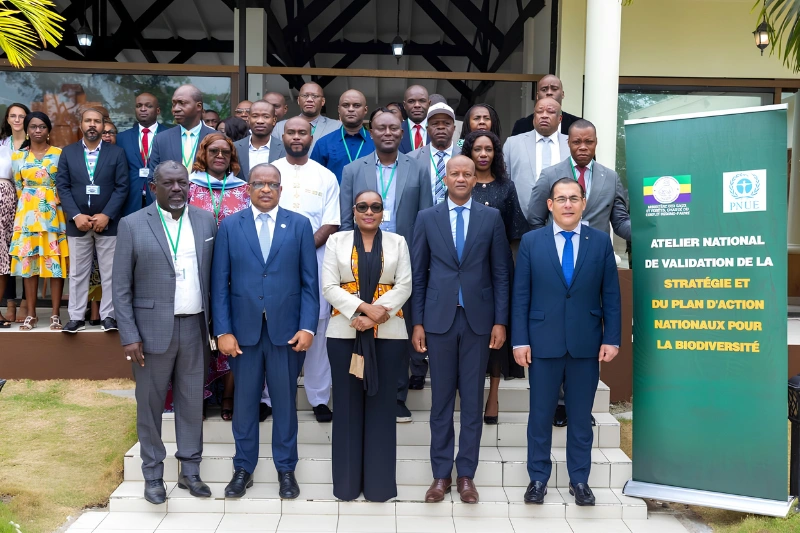
Gabon has just taken a decisive step toward safeguarding its unique ecosystems after a week of intensive negotiations in Libreville. The national workshop to finalize the 2022-2030 National Biodiversity Strategy and Action Plan (SPANB) concluded this Tuesday, marking a turning point in the country’s conservation efforts.
At the heart of this new roadmap is a bold commitment: protecting 30% of Gabon’s entire territory, including its lush forests, pristine coastlines, and thriving marine environments. The SPANB is designed to serve as the guiding framework for public policies, reinforcing the protection of ecosystems while ensuring the sustainable management of the nation’s extraordinary biological heritage.
This initiative aligns Gabon’s national priorities with the global commitments made under the Kunming-Montréal Agreement, ratified by 196 nations. By 2030, the country aims to:
- Preserve at least 30% of land, coastal, and marine areas to maintain ecological balance and biodiversity hotspots.
- Restore degraded ecosystems through targeted reforestation, wetland rehabilitation, and soil conservation programs.
- Combat pressing threats such as poaching, illegal logging, and pollution that undermine Gabon’s natural capital.
- Mobilize sustainable funding to ensure long-term conservation efforts remain viable and impactful.
Once finalized—following the integration of stakeholder feedback—the SPANB will be submitted to the government for approval before being officially submitted to the Convention on Biological Diversity (CBD) Secretariat. This step will formalize Gabon’s pledge on the international stage, reinforcing its leadership in environmental stewardship.
From policy to action: the real challenge ahead
While the strategy is now in place, the true test lies in its implementation. Ms. Tsayi Mouvagha, the strategy coordinator, emphasizes that the next phase must focus on widespread outreach to government agencies, private enterprises, local communities, and civil society. Ensuring their active participation will be critical to turning this vision into reality across every corner of the country.
Gabon’s biodiversity credentials are undeniable: 88% forest coverage and 13 national parks make it one of Africa’s most ecologically rich nations. The SPANB 2022-2030 is poised to strike a balance between economic development, responsible resource exploitation, and conservation—a delicate equilibrium the country must now navigate.
Yet challenges remain. Without dedicated funding streams, genuine local government engagement, and meaningful collaboration with indigenous communities and businesses, this ambitious plan risks remaining little more than ink on paper. Success will depend on translating policy into tangible action, backed by the necessary resources and collective commitment.