Boureima Amadou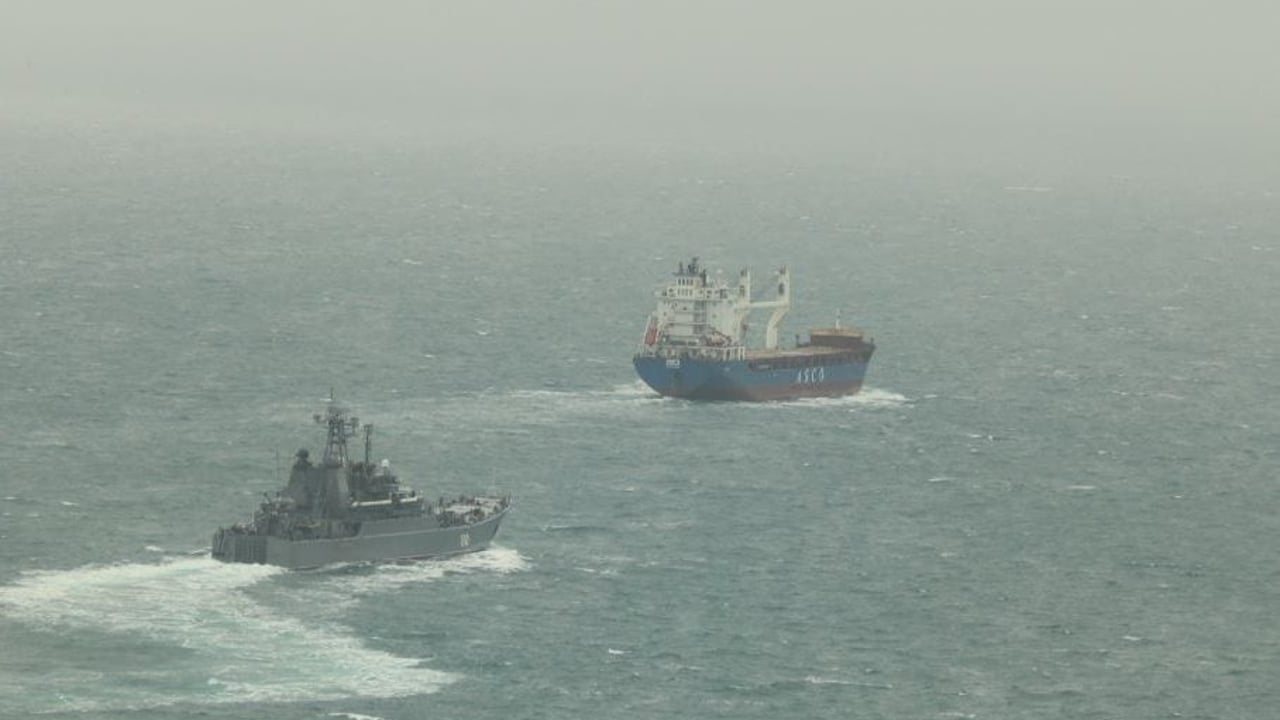
From Conakry to Bamako: the Guinean port’s growing role in weapons trafficking
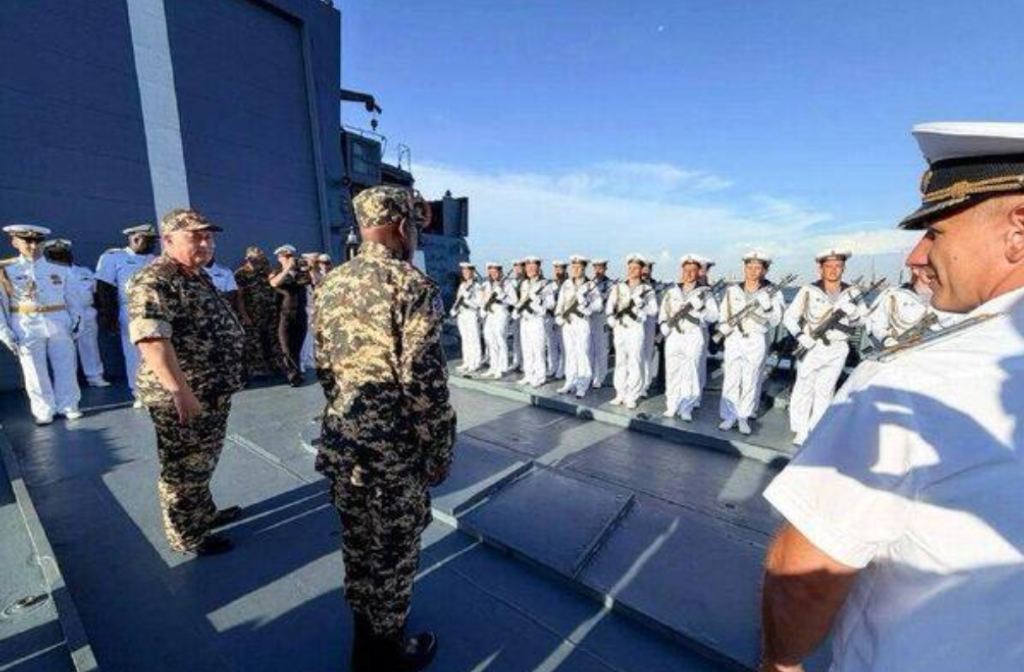
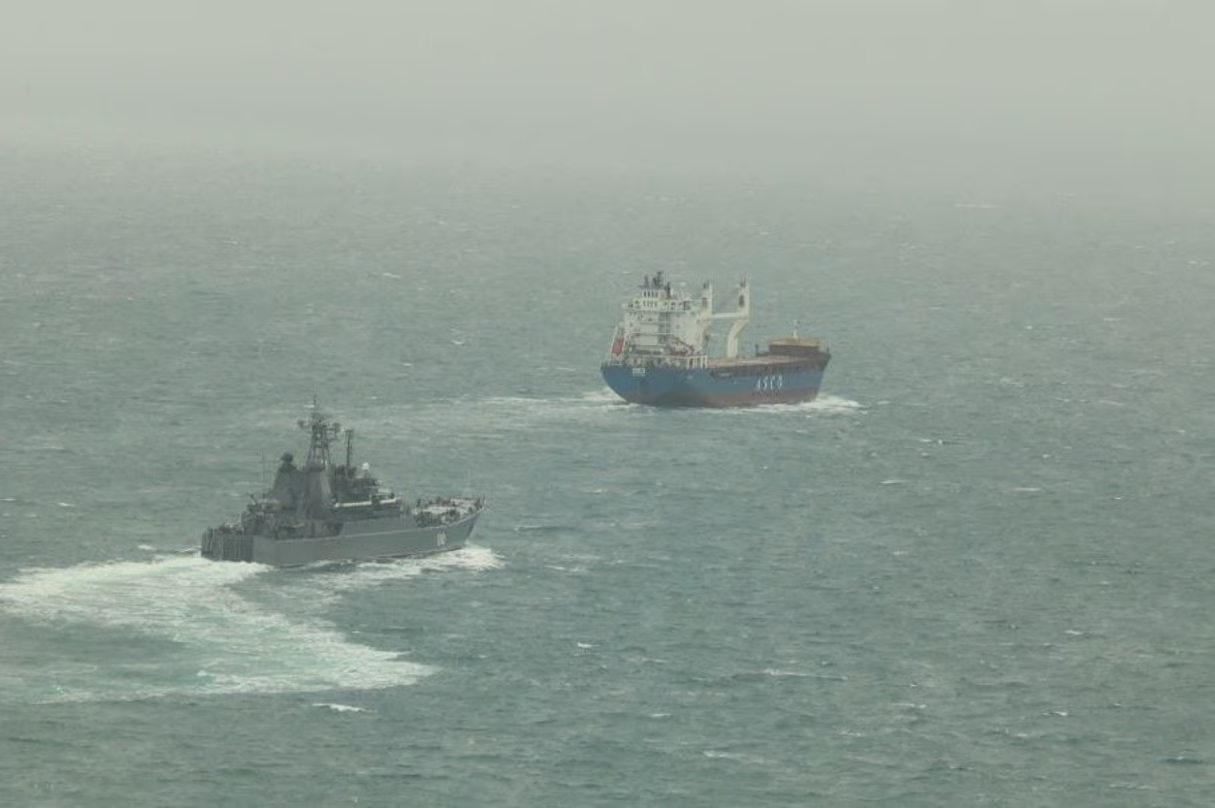
In recent months, the Port of Conakry has emerged as a critical transit hub for military equipment bound for Mali. Investigations reveal a sophisticated network operating through this Guinean gateway, facilitating the movement of arms linked to Russian-backed entities. The cargo ship Sabetta, intercepted in the English Channel in March 2026, serves as a stark example of this clandestine trade route.
An evolving smuggling route
The discovery of the Sabetta—a vessel flagged in the Comoros and reportedly linked to Russian logistics firms—has raised serious concerns about the port’s compliance with international sanctions. Customs records and satellite tracking data suggest the cargo, initially declared as humanitarian supplies, included military-grade materials destined for Malian forces.
Guinean authorities have not commented on the specifics of the case, but regional analysts point to a pattern of deliberate oversight. The port’s location, coupled with Guinea’s strategic neutrality, has made it an attractive intermediary for actors seeking to bypass restrictions on arms transfers to conflict zones.
Key players in the network
The investigation highlights the involvement of several entities, including:
- Africa Corps: A Russian-linked military group suspected of coordinating logistics for arms shipments.
- Private shipping firms: Companies with opaque ownership structures that obscure the true nature of transported goods.
- Local facilitators: Individuals in Guinea and neighboring countries who manage port clearances and onward transport to Mali.
Geopolitical implications
The situation underscores the challenges facing West African nations in regulating maritime traffic. While Mali’s transitional government has not publicly acknowledged receiving these shipments, the influx of Russian-backed military support aligns with broader shifts in regional security dynamics. Observers warn that such unchecked flows could destabilize fragile peace agreements and fuel further insurgencies.
The Port of Conakry’s role in this network raises questions about Guinea’s ability—and willingness—to enforce stricter controls. As the Sahel’s security crisis deepens, the international community is increasingly scrutinizing transshipment practices across West African ports.


 Mariama Hamani