Boureima Amadou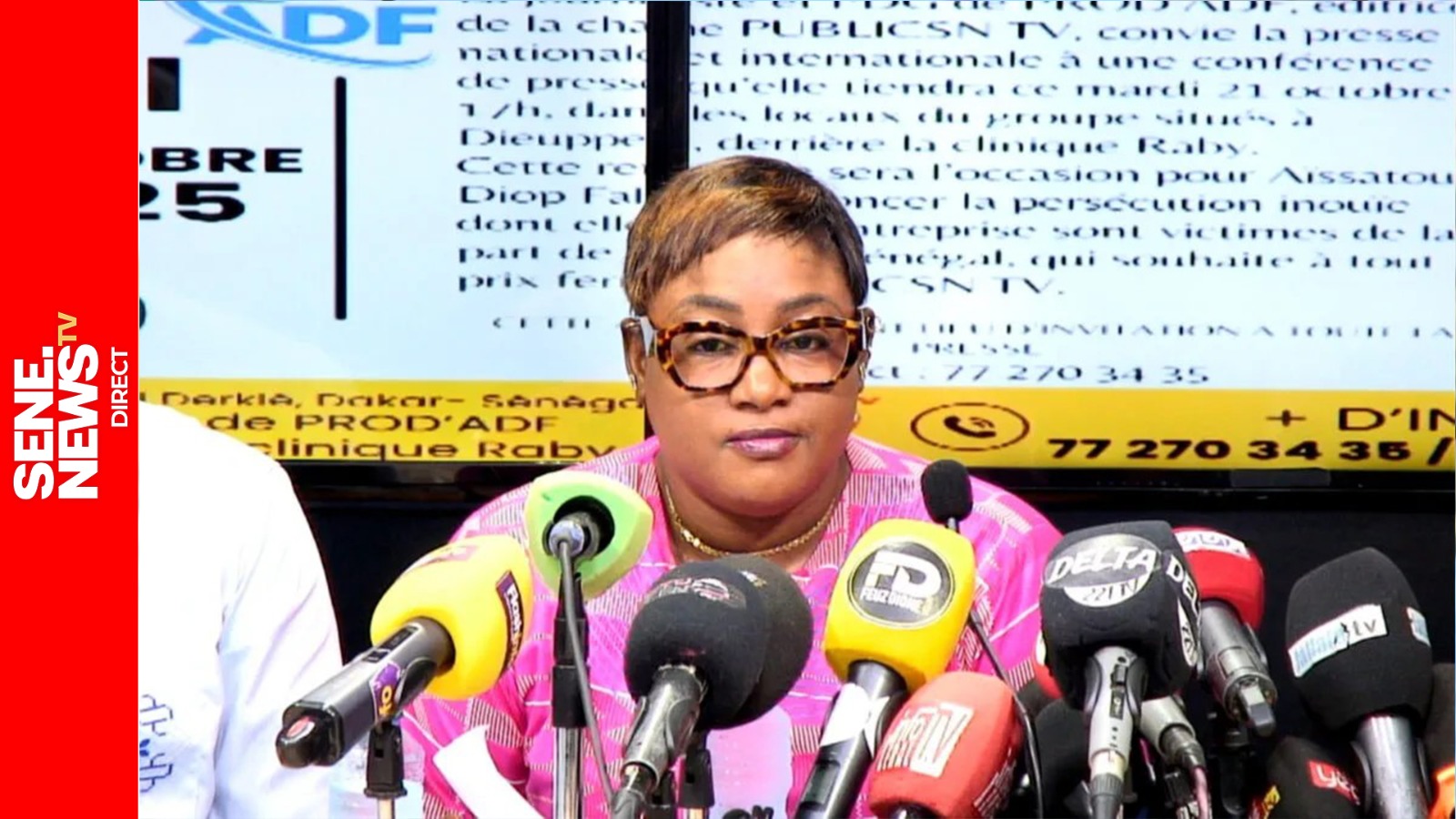
Controversial remarks against Ousmane Sonko put journalist in legal hot water
The Senegalese journalist and television network director Aïssatou Diop Fall now faces serious legal repercussions after controversial statements about opposition leader Ousmane Sonko sparked national outrage. Her remarks, made in a widely shared video, have drawn the attention of the Division spéciale de cybersécurité (DSC), which has summoned her for questioning.
Journalist and media executive Aïssatou Diop Fall has been summoned by the Division spéciale de cybersécurité (DSC) of the national police for an emergency hearing scheduled for today. The move follows a prosecutor’s order from the tribunal de grande instance hors classe de Dakar, who initiated proceedings based on public complaints and online outrage.
Her legal troubles began after a video surfaced in which she allegedly expressed a wish that Ousmane Sonko, leader of the Pastef party, be abducted by armed militants. The statement ignited fierce debate across social media and among political analysts, with many calling for accountability.
In response to the backlash, Aïssatou Diop Fall released a follow-up video in which she publicly apologized. Despite her efforts to retract her words, the prosecutor, Ibrahima Ndoye, pressed ahead with legal action, ordering her appearance before cybersecurity investigators. Under Senegalese law, public statements made online—especially those that incite fear or violence—can result in significant penalties, including fines and imprisonment.
Possible charges include incitement to violence, public disorder, or threats against an individual, all of which are addressed in the Cybersecurity Act and the Penal Code. Even without direct harm resulting from her words, the law permits prosecution based solely on the dissemination of harmful content through digital platforms.
If convicted, Aïssatou Diop Fall could face penalties ranging from monetary fines to several years in prison, depending on how authorities classify her statements. The final decision will depend on findings from the DSC investigation and the prosecutor’s evaluation of the evidence.