Mariama Hamani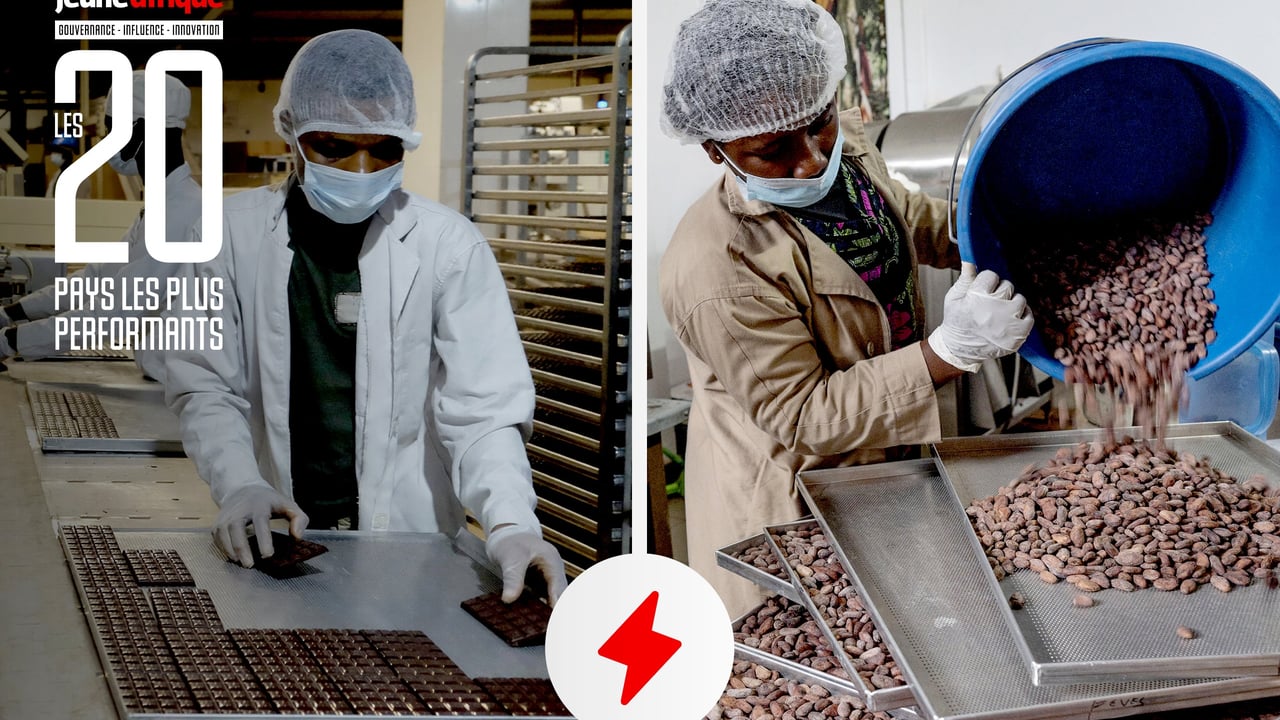

Ghana’s rising economic momentum challenges Côte d’Ivoire’s growth
The latest economic forecasts reveal a shifting balance between two of West Africa’s most dynamic economies. According to International Monetary Fund projections, Ghana is poised to claim the top spot this year with a projected gross domestic product of $118 billion, narrowly outpacing Côte d’Ivoire, whose GDP is estimated at $110 billion. This development marks a significant shift in regional economic dominance and raises questions about the underlying drivers of each nation’s performance.
Key indicators reveal stark contrasts in economic strength
The divergence in growth trajectories becomes clearer when examining core economic indicators. While both nations benefit from robust agricultural sectors and expanding services, Ghana’s recent policy reforms and increased foreign investment have accelerated its expansion. The country’s services sector, particularly in technology and financial services, has shown exceptional dynamism, contributing significantly to GDP growth. Meanwhile, Côte d’Ivoire continues to rely heavily on agricultural exports, particularly cocoa, though recent diversification efforts are beginning to yield results.
Macroeconomic stability and fiscal policies under scrutiny
The contrasting economic performances also reflect differing approaches to macroeconomic management. Ghana’s government has implemented aggressive fiscal policies aimed at reducing public debt and attracting foreign direct investment. These measures include tax reforms and infrastructure development initiatives designed to enhance business competitiveness. In contrast, Côte d’Ivoire has prioritized stability through cautious fiscal policies, maintaining a balanced budget while investing in long-term agricultural and industrial projects.
Infrastructure and industrialization: the game changers
Infrastructure development plays a crucial role in shaping economic outcomes. Ghana’s investments in ports, roads, and energy infrastructure have improved trade efficiency and attracted multinational corporations. The country’s industrialization drive, particularly in the manufacturing and energy sectors, has further strengthened its economic position. Côte d’Ivoire, though not far behind, continues to focus on agro-industrial processing and regional integration to bolster its economic standing.
What the future holds for both economies
The shifting economic landscape presents both challenges and opportunities for policymakers in Accra and Abidjan. For Ghana, sustaining growth momentum will require continued reform implementation and investment in human capital. Côte d’Ivoire, while maintaining its agricultural leadership, must accelerate industrialization to compete with its neighbor’s rapid expansion. Both nations stand at a crossroads, where strategic decisions today will determine their economic standing in the years ahead.
Regional implications of this economic rivalry
The competition between Ghana and Côte d’Ivoire extends beyond national borders, influencing regional economic dynamics. Their contrasting models of development offer valuable lessons for other West African nations grappling with similar growth challenges. As both countries vie for foreign investment and trade partnerships, the outcome of this economic rivalry could reshape the continent’s economic map in the coming decade.

 Boureima Amadou